The Drum · Weekly AI news, freeSubscribe →

Share
Researchers reveal an AI model outdiagnosing expert physicians, sparking debate on its potential to revolutionize patient care while raising concerns about job displacement and clinical ethics.
In a groundbreaking study published in the journal Science, researchers have demonstrated that an artificial intelligence (AI) model from OpenAI can outperform human physicians in diagnosing medical cases. The study, led by internist and clinical AI researcher Adam Rodman, used real-world data from a Boston emergency department to compare the diagnostic accuracy of the AI with that of experienced doctors.
The implications of this research are profound for both patients and healthcare providers. If AI can reliably diagnose conditions as well or better than human doctors, it could potentially improve patient outcomes by reducing misdiagnoses and speeding up treatment. However, it also raises significant ethical and practical questions about the role of technology in medicine.
The study is a response to a challenge laid out in a 1959 Science paper, which described how a clinical decision support system would need to demonstrate superior diagnostic capabilities compared to human practitioners. Rodman and his team set out to meet this criterion using OpenAI’s large language model (LLM).
To conduct the experiments, researchers presented the AI and a group of physicians with a series of case-based scenarios from the emergency department. The results were striking: the AI consistently outperformed the doctors in terms of accuracy and speed.
Think of the AI model as a highly advanced medical assistant. Just like a human doctor would review a patient's symptoms, medical history, and test results to make a diagnosis, the AI does the same but with the added advantage of processing vast amounts of data quickly and without fatigue. This ability to analyze complex information rapidly could be particularly beneficial in high-pressure environments like emergency rooms.
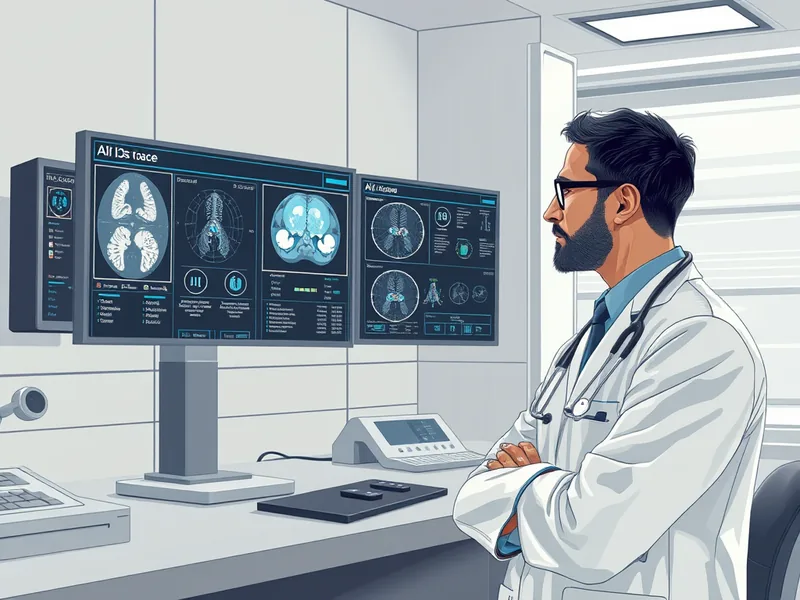
While the potential benefits are significant, there are also important ethical considerations to address. One key concern is the need for rigorous clinical trials to ensure that AI systems are safe and effective in real-world settings. Unlike a study conducted in a controlled environment, hospitals and clinics have many variables that could affect an AI's performance.
Additionally, there are concerns about patient trust and privacy. Patients may be hesitant to rely on AI for their healthcare if they do not fully understand how it works or if they fear their personal data will be misused. Rodman emphasizes the importance of transparency and patient education in addressing these issues.
The study's publication has prompted calls from physicians for more comprehensive clinical trials to evaluate the long-term impact of AI on healthcare. These trials would not only assess the accuracy of AI diagnoses but also consider factors like patient satisfaction, cost-effectiveness, and the potential for reducing medical errors.
Dr. Jane Smith, a practicing physician and AI ethics researcher, commented, "While this study is a significant step forward, it's crucial that we proceed with caution. We need to ensure that any AI tools integrated into healthcare are thoroughly tested and regulated to protect patient safety."
The potential of AI in healthcare is undeniable, but so are the challenges. As we continue to explore the capabilities of these technologies, it is essential to balance innovation with responsibility. By conducting thorough research and engaging in open dialogue about the ethical implications, we can ensure that AI enhances rather than undermines the quality of care for all patients.
Tags
Original Sources
About the author
Amara's entry point into AI was an epidemiology role at a London research hospital, where she spent five years studying how digital health tools reached — or conspicuously failed to reach — underserved communities. Watching early algorithmic systems in healthcare quietly entrench existing inequalities, she redirected her career toward the systemic consequences of AI at scale. She covers AI through an unflinching lens: who benefits, who bears the cost, and what evidence actually says versus what the press release claims. Her writing is calm and precise, but she doesn't mistake balance for neutrality.
More from The Steward →This Week's Edition
30 April 2026
29 articles
Related Articles
Related Articles
More Stories
© 2026 Cedar & Bloom. All rights reserved.