The Drum · Weekly AI news, freeSubscribe →

Share
This AI-driven bionic leg wrap analyzes and corrects walking patterns in real-time, offering hope for improved independence and quality of life for those with cerebral palsy, MS, or post-stroke conditions.
In a significant breakthrough for patients with mobility issues, researchers have developed an innovative bionic leg wrap that uses artificial intelligence (AI) to correct walking patterns. This device promises to improve the quality of life for individuals living with cerebral palsy, multiple sclerosis (MS), and those recovering from strokes.
For many people, the ability to walk independently is a fundamental aspect of daily life. However, conditions like cerebral palsy, MS, and stroke can severely impair mobility, leading to a reliance on assistive devices or caregivers. The bionic leg wrap offers a glimmer of hope by providing a non-invasive solution that enhances walking capabilities.
Imagine a scenario where someone with cerebral palsy, who has struggled with uneven gait and balance issues, can now walk more steadily and confidently. Or consider a stroke survivor who regains the ability to navigate their home without assistance. The bionic leg wrap aims to make these scenarios a reality by leveraging advanced technology to support and correct walking patterns.
The bionic leg wrap is a sophisticated device that combines wearable sensors, actuators, and AI algorithms. Here’s how it operates:
Sensor Integration: The wrap is equipped with multiple sensors that monitor the wearer's movements in real-time. These sensors detect subtle changes in gait, balance, and muscle activity.
Data Analysis: The data collected by the sensors is processed by an onboard computer using AI algorithms. These algorithms analyze the walking pattern to identify any irregularities or inefficiencies.
Correction Mechanisms: Based on the analysis, the bionic leg wrap provides real-time feedback and support. Actuators within the wrap can apply gentle pressure or resistance to guide the wearer's movements towards a more natural and stable gait.
Adaptive Learning: The AI system is designed to learn from each step the user takes. Over time, it adapts its corrections to better suit the individual’s unique walking pattern, making the device more effective with continued use.
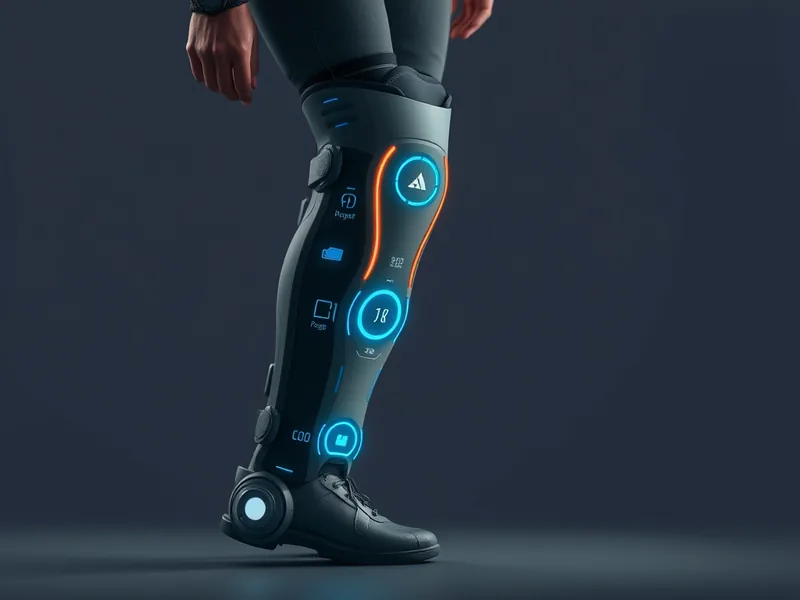
The benefits of this technology are multifaceted:
While the potential benefits are significant, it's important to address any concerns related to safety and accessibility:
The development of the AI-powered bionic leg wrap represents a promising step forward in the field of assistive technology. As research continues, we can expect further refinements and innovations that will make this device even more effective and accessible.
For those living with mobility challenges, the future looks brighter with the promise of technologies like the bionic leg wrap. It’s not just about taking steps; it’s about reclaiming independence and dignity.
Tags
Original Sources
About the author
Amara's entry point into AI was an epidemiology role at a London research hospital, where she spent five years studying how digital health tools reached — or conspicuously failed to reach — underserved communities. Watching early algorithmic systems in healthcare quietly entrench existing inequalities, she redirected her career toward the systemic consequences of AI at scale. She covers AI through an unflinching lens: who benefits, who bears the cost, and what evidence actually says versus what the press release claims. Her writing is calm and precise, but she doesn't mistake balance for neutrality.
More from The Steward →This Week's Edition
29 April 2026
29 articles
Related Articles
Related Articles
More Stories
© 2026 Cedar & Bloom. All rights reserved.