The Drum · Weekly AI news, freeSubscribe →
Share
RoseTTAFold harnesses AI to rapidly model complex protein structures, potentially speeding up drug development and offering new insights into molecular biology that could lead to breakthrough treatments.
In a groundbreaking study published in Science, researchers from the University of Washington have unveiled significant advancements in biomolecular modeling using an artificial intelligence (AI) tool called RoseTTAFold. This development promises to revolutionize our understanding of protein structures, which is crucial for drug discovery and the design of new biological therapies.
Proteins are the workhorses of our cells, responsible for a wide range of functions from catalyzing chemical reactions to defending against diseases. Understanding how these proteins fold into their three-dimensional shapes is essential for developing drugs that can target specific diseases. However, predicting protein structures has been a long-standing challenge in biochemistry. RoseTTAFold, with its all-atom modeling capabilities, brings us closer to solving this puzzle.
RoseTTAFold uses neural networks, a type of AI inspired by the human brain, to predict the three-dimensional structure of proteins from their amino acid sequences. Think of it like a highly advanced puzzle-solving robot that can piece together complex protein structures with unprecedented accuracy. This is particularly important because the shape of a protein determines its function.
The team at the University of Washington's Institute for Protein Design and Department of Biochemistry, led by Rohith Krishna, Jue Wang, Woody Ahern, and Pascal Sturmfels, has enhanced RoseTTAFold to model not just single proteins but also complexes of multiple interacting proteins. This generalized approach opens up new possibilities for designing biomolecules with specific functions, such as enzymes that can break down pollutants or antibodies that can neutralize viruses.
The implications of this research are far-reaching. In drug discovery, the ability to accurately predict protein structures can significantly speed up the development of new medications. For instance, understanding how a virus's proteins fold can help in designing drugs that target these proteins effectively. This could be particularly valuable in the context of emerging diseases like COVID-19.
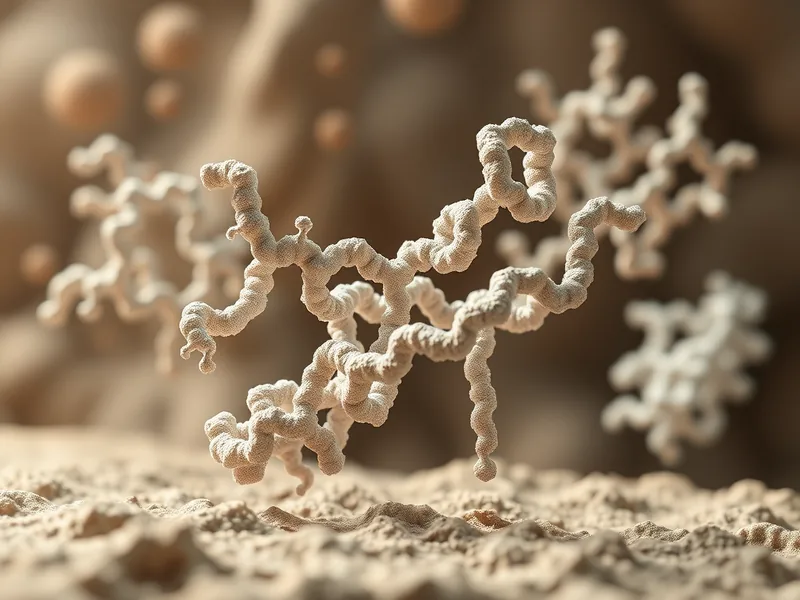
Moreover, RoseTTAFold's capabilities extend beyond medicine. In environmental science, for example, it could aid in the design of enzymes that degrade plastic waste more efficiently. The potential applications are vast and varied, touching on fields from biotechnology to materials science.
While the potential benefits are immense, there are also challenges to consider. One of the primary concerns is ensuring the accuracy and reliability of AI predictions. While RoseTTAFold has shown remarkable performance, it is still a tool that needs continuous refinement and validation through experimental data.
Another consideration is the ethical use of AI in scientific research. As with any powerful technology, there is a need for transparent guidelines and regulations to ensure that these tools are used responsibly and equitably.
The future looks promising for RoseTTAFold and similar AI-driven tools. The researchers are already working on further improvements and expansions of the platform. They aim to make it more accessible to other scientists and to integrate it with existing computational methods to enhance its predictive power even further.
In a world where complex biological problems require sophisticated solutions, RoseTTAFold stands out as a beacon of hope. By bridging the gap between AI and biochemistry, it paves the way for innovative breakthroughs that could transform our lives in profound ways.
Tags
Original Sources
About the author
Amara's entry point into AI was an epidemiology role at a London research hospital, where she spent five years studying how digital health tools reached — or conspicuously failed to reach — underserved communities. Watching early algorithmic systems in healthcare quietly entrench existing inequalities, she redirected her career toward the systemic consequences of AI at scale. She covers AI through an unflinching lens: who benefits, who bears the cost, and what evidence actually says versus what the press release claims. Her writing is calm and precise, but she doesn't mistake balance for neutrality.
More from The Steward →This Week's Edition
14 November 2023
29 articles
Related Articles
Related Articles
More Stories
© 2026 Cedar & Bloom. All rights reserved.