The Drum · Weekly AI news, freeSubscribe →

Share
Scientists at MIT used AI to identify a new type of antibiotic that effectively combats deadly drug-resistant bacteria, marking a significant breakthrough in the battle against superbugs and paving the way for innovative drug development.
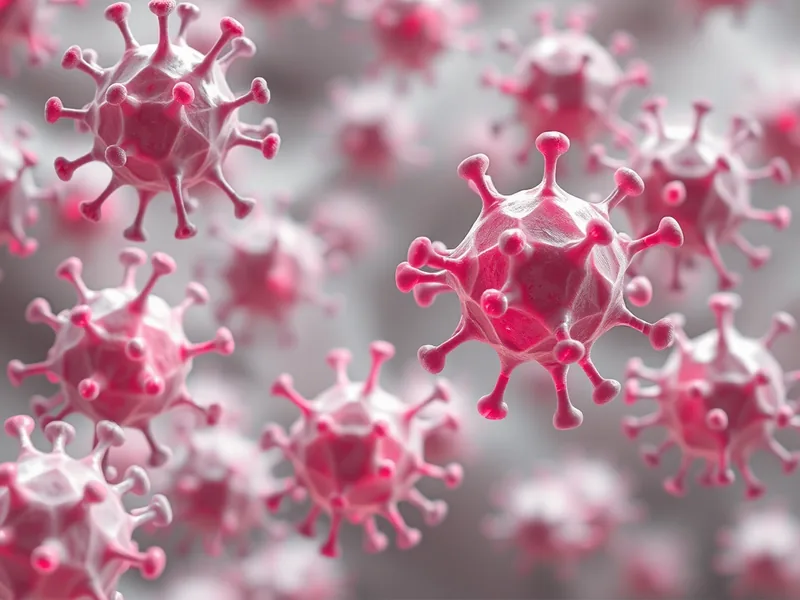
In a groundbreaking study published in the journal Nature, researchers from MIT have harnessed the power of artificial intelligence (AI) to discover a new class of compounds capable of killing methicillin-resistant Staphylococcus aureus (MRSA). This drug-resistant bacterium is responsible for over 10,000 deaths in the United States each year. The discovery not only offers hope in the fight against antibiotic resistance but also provides a novel framework for designing future drugs.
Antibiotic resistance is a growing global health crisis. Bacteria like MRSA have evolved to withstand many of the antibiotics we rely on, leading to infections that are difficult and sometimes impossible to treat. The consequences are severe: prolonged hospital stays, increased healthcare costs, and higher mortality rates. The MIT study represents a significant step forward in addressing this urgent issue.
The researchers used deep learning, a type of AI that mimics the human brain's ability to learn from data, to identify potential antibiotics. Deep learning models can analyze vast amounts of chemical data and predict which compounds might have antibacterial properties. In this case, the model was trained on a large dataset of known antibiotics and their structures.
James Collins, the Termeer Professor of Medical Engineering and Science at MIT’s Institute for Medical Engineering and Science (IMES) and Department of Biological Engineering, explained the significance of their approach: "Our work provides a framework that is time-efficient, resource-efficient, and mechanistically insightful, from a chemical-structure standpoint, in ways that we haven’t had to date."
The key innovation in this study was not just finding new compounds but understanding how the AI model made its predictions. By delving into the decision-making process of the deep-learning algorithm, researchers gained valuable insights into what structural features make a compound effective against MRSA.
Felix Wong, a postdoc at IMES and the Broad Institute of MIT and Harvard, and Erica Zheng, a former graduate student from Harvard Medical School, were the lead authors of the study. They discovered that the AI-identified compounds could effectively kill MRSA in both laboratory settings and mouse models of infection. Importantly, these compounds showed very low toxicity to human cells, making them promising candidates for further development.
MRSA infections can be particularly dangerous, often leading to skin infections or pneumonia. In severe cases, they can cause sepsis, a life-threatening condition where the body’s response to infection damages its own tissues and organs. The new compounds discovered by MIT researchers could provide a much-needed alternative to existing treatments, which are becoming less effective due to resistance.
The Antibiotics-AI Project at MIT, led by Collins, aims to discover new classes of antibiotics against seven types of deadly bacteria over the next seven years. This project is part of a broader effort to combat antibiotic resistance through innovative research and technology.
Collins emphasized the potential for this approach to be applied more widely: "The insight here was that we could see what was being learned by the models to make their predictions that certain molecules would make for good antibiotics. This knowledge could help researchers design additional drugs that might work even better than the ones identified by the model."
The use of AI in medical research is opening new doors to combating some of the most pressing health challenges of our time. By leveraging deep learning, researchers are not only discovering potential new treatments but also gaining a deeper understanding of how these treatments work. As antibiotic resistance continues to pose a significant threat, the innovations coming from MIT and other institutions offer hope for a healthier future.
Tags
Original Sources
About the author
Amara's entry point into AI was an epidemiology role at a London research hospital, where she spent five years studying how digital health tools reached — or conspicuously failed to reach — underserved communities. Watching early algorithmic systems in healthcare quietly entrench existing inequalities, she redirected her career toward the systemic consequences of AI at scale. She covers AI through an unflinching lens: who benefits, who bears the cost, and what evidence actually says versus what the press release claims. Her writing is calm and precise, but she doesn't mistake balance for neutrality.
More from The Steward →This Week's Edition
15 January 2024
29 articles
Related Articles
Related Articles
More Stories
© 2026 Cedar & Bloom. All rights reserved.