The Drum · Weekly AI news, freeSubscribe →

Share
As healthcare systems generate more data than ever, the Electronic Health Record (EHR) struggles to turn this wealth of information into meaningful patient care. Here’s why an orchestration layer is essential.
When you visit a doctor, get a referral, or take a lab test, all that information gets stored in your Electronic Health Record (EHR). This system is incredibly thorough, capturing every detail from prescriptions to wearable health data. Yet, despite this vast repository of information, healthcare providers often find themselves overwhelmed and unable to extract the insights they need most.
The EHR excels at documentation but falls short when it comes to orchestrating care. It’s like having a library with millions of books but no catalog or librarian to guide you through them. What matters in healthcare is not just storing data, but interpreting it to make informed decisions that improve patient outcomes.
The EHR was designed as a comprehensive system of record, meticulously documenting every aspect of a patient’s health journey. It’s very good at remembering everything-every note, every test result, every prescription. However, this exhaustive detail can become a liability when it comes to delivering care.
Consider the average patient, who has 359 notes in their EHR. For a physician trying to navigate this mountain of data, it’s nearly impossible to identify what matters most in the moment of care. The sheer volume of information can obscure critical insights, making it difficult for providers to focus on what needs immediate attention.
Dr. Tiffany Cabasso, Operations Director at Kyan Health and a psychologist, explains, “The EHR is like a vast ocean of data. It’s important to capture all this information, but without a way to surface what’s most relevant, it can be overwhelming and unhelpful.”
What healthcare needs is an orchestration layer that sits above the EHR, transforming raw data into actionable insights. This layer would help providers understand:
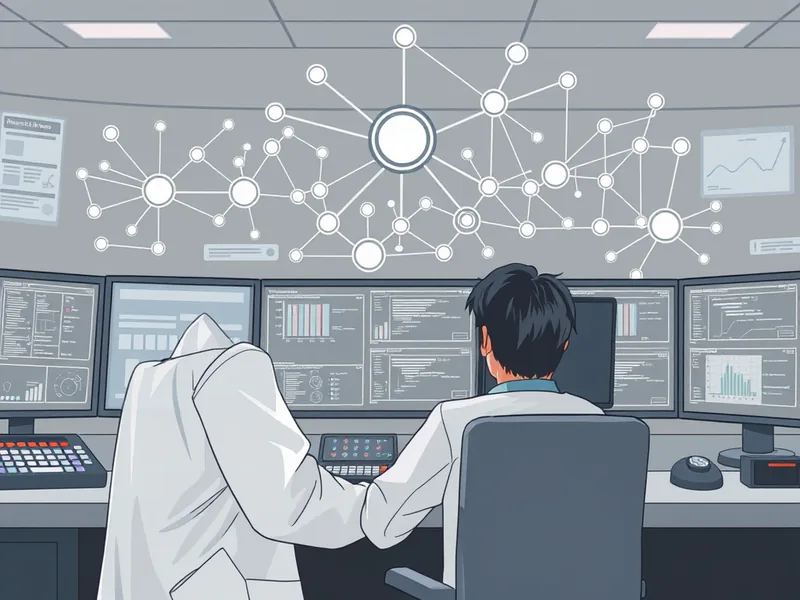
By aggregating and interpreting data from various sources, including wearables and other health tech, this orchestration system can provide a clear, meaningful point of view that guides care.
AI-powered tools are already making strides in this direction. For example, the Oura Ring is getting an AI upgrade that could change how we interact with doctors and approach wellness. New features will help users monitor their health more effectively, providing real-time insights that can be shared with healthcare providers.
The implications of a well-orchestrated healthcare system are profound. For value-based care providers, success depends on managing patient outcomes, not just documenting them. An orchestration layer can help achieve this by ensuring that care is continuous, directed, and coordinated.
Arianna Huffington, speaking at the TIME100 AI Leadership Forum, emphasized the potential of AI to make healthcare more human. She noted that doctors currently spend only one-third of their time on clinical care, with the rest devoted to administrative tasks. An orchestration system could alleviate this burden, allowing physicians to focus more on patient interactions and less on sifting through data.
A better-organized healthcare system can lead to improved clinical outcomes and reduced costs. By identifying and addressing issues proactively, providers can prevent complications and reduce hospital readmissions. This not only benefits patients but also eases the strain on healthcare systems.
While the EHR is an essential tool for storing patient data, it’s not sufficient for orchestrating care. A dedicated orchestration layer that interprets and prioritizes this data is crucial for delivering meaningful, patient-centered care. As healthcare continues to evolve, embracing such technologies will be key to improving both provider efficiency and patient outcomes.
Tags
Original Sources
The EHR Was Built to Store Data — It Wasn’t Built to Orchestrate Care - MedCity News
↗ https://medcitynews.com/2026/05/the-ehr-was-built-to-store-data-it-wasnt-built-to-orchestrate-care
About the author
Amara's entry point into AI was an epidemiology role at a London research hospital, where she spent five years studying how digital health tools reached — or conspicuously failed to reach — underserved communities. Watching early algorithmic systems in healthcare quietly entrench existing inequalities, she redirected her career toward the systemic consequences of AI at scale. She covers AI through an unflinching lens: who benefits, who bears the cost, and what evidence actually says versus what the press release claims. Her writing is calm and precise, but she doesn't mistake balance for neutrality.
More from The Steward →This Week's Edition
3 June 2026
29 articles
Related Articles
Related Articles
More Stories
© 2026 Cedar & Bloom. All rights reserved.