The Drum · Weekly AI news, freeSubscribe →
Share
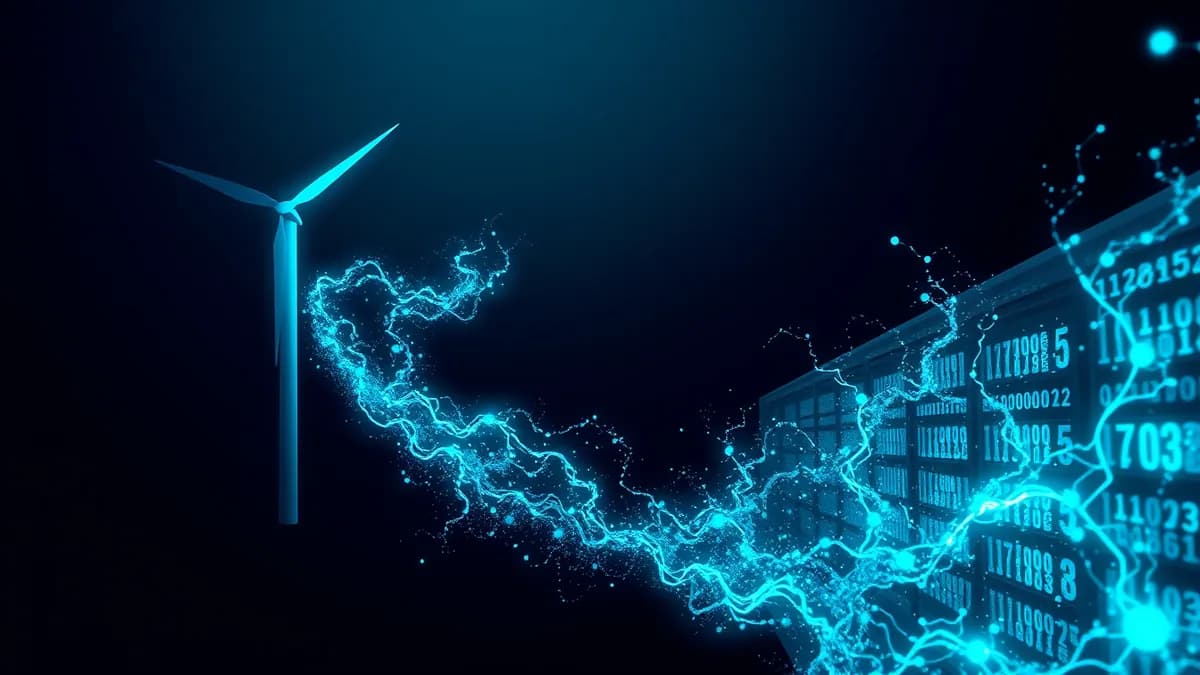
Off the coast of Shanghai, a groundbreaking underwater data center harnesses wind power to reduce energy consumption and environmental impact, marking a significant step in sustainable technology.
China has made history by launching the world's first wind-powered underwater data center (UDC) off the coast of Shanghai. This innovative facility, a collaboration between private company HiCloud Technology and state-owned China Communications Construction, represents a significant leap forward in sustainable technology infrastructure. With an initial capacity of 24 megawatts, the UDC is submerged at a depth of 10 meters and uses seawater as a natural cooling system, significantly reducing energy consumption.
The project, which required an investment of about $236 million, is designed to address China's growing demand for computing power while minimizing environmental impact. As artificial intelligence (AI) continues to expand, the need for efficient and sustainable data centers has become more pressing. The Shanghai UDC is a key part of China's strategy to reduce its dependence on fossil fuels and secure energy supplies.
One of the most significant benefits of this underwater data center is its cooling efficiency. Conventional data centers often use air conditioning systems that can account for 40 to 50 percent of total electricity consumption. In contrast, the Lin-gang UDC uses seawater to cool its infrastructure, reducing the proportion of energy used for cooling to less than 10 percent. This improvement is reflected in the facility's power-usage effectiveness (PUE), a metric that measures the efficiency of data centers. The Lin-gang facility aims to achieve a PUE of no more than 1.15, which is considered state-of-the-art.
The UDC project is not just about cooling; it also integrates renewable energy sources. Located more than six miles off the coast of Shanghai, the data center is powered by offshore wind turbines. This integration of wind power further enhances its sustainability credentials. According to the Chinese government, compared to traditional onshore data centers, this project uses over 95 percent green electricity, reduces energy consumption by 22.8 percent, and eliminates water and land use by 100 percent and more than 90 percent, respectively.
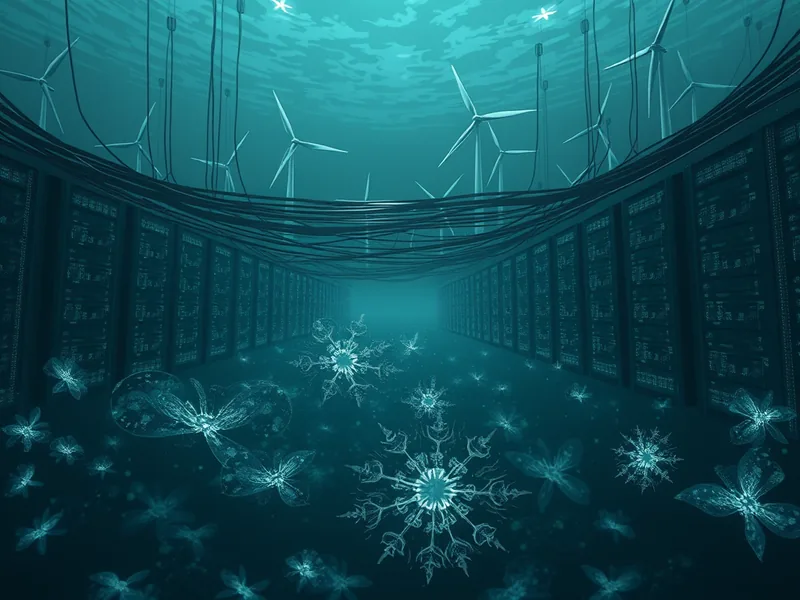
This is not the first underwater data center for HiCloud Technology. In 2023, the company opened a commercial UDC in Hainan, an island in southern China. However, the Shanghai complex stands out as the first to operate using offshore wind power. The construction of the facility was completed in mid-October last year, and it has since been operational.
The significance of this project extends beyond its technical achievements. It underscores China's commitment to optimizing energy supply through renewable sources while maintaining its leadership in AI development. As global data center infrastructure continues to grow, with only 32 countries hosting specialized AI data centers, China's innovation is setting a new standard for sustainability and efficiency.
The opening of the wind-powered underwater data center in Shanghai marks a crucial step in addressing the environmental challenges associated with technology infrastructure. By reducing energy consumption and minimizing the use of natural resources, this facility sets a precedent for future data centers worldwide. As AI and other advanced technologies become increasingly integral to our daily lives, the need for sustainable solutions has never been more urgent.
This project also highlights the potential for collaboration between private and state-owned entities in driving innovation and sustainability. The success of the Lin-gang UDC could inspire similar initiatives globally, contributing to a more environmentally conscious approach to technology development. As we continue to navigate the complexities of climate change and resource management, innovative solutions like this one offer hope and a path forward.
Tags
Original Sources
China Opens World’s First Wind-Powered Underwater Data Center
↗ https://www.wired.com/story/china-opens-worlds-first-wind-powered-underwater-data-center
About the author
Amara's entry point into AI was an epidemiology role at a London research hospital, where she spent five years studying how digital health tools reached — or conspicuously failed to reach — underserved communities. Watching early algorithmic systems in healthcare quietly entrench existing inequalities, she redirected her career toward the systemic consequences of AI at scale. She covers AI through an unflinching lens: who benefits, who bears the cost, and what evidence actually says versus what the press release claims. Her writing is calm and precise, but she doesn't mistake balance for neutrality.
More from The Steward →This Week's Edition
15 June 2026
18 articles
Related Articles

The Navy's Carbon Problem: Why Electrifying Warships Matters for Climate Policy
Environment & Climate · 5 min

Frozen Moss on a Remote Arctic Ice Cap Reveals We Interrupted the Next Ice Age
Environment & Climate · 6 min

Zayed Sustainability Prize Names 2027 Finalists From Record 10,233 Submissions
Environment & Climate · 5 min
Related Articles
The Navy's Carbon Problem: Why Electrifying Warships Matters for Climate Policy
Environment & Climate · 5 min
Frozen Moss on a Remote Arctic Ice Cap Reveals We Interrupted the Next Ice Age
Environment & Climate · 6 min
Zayed Sustainability Prize Names 2027 Finalists From Record 10,233 Submissions
Environment & Climate · 5 min
More Stories
© 2026 Cedar & Bloom. All rights reserved.
