The Drum · Weekly AI news, freeSubscribe →

Share
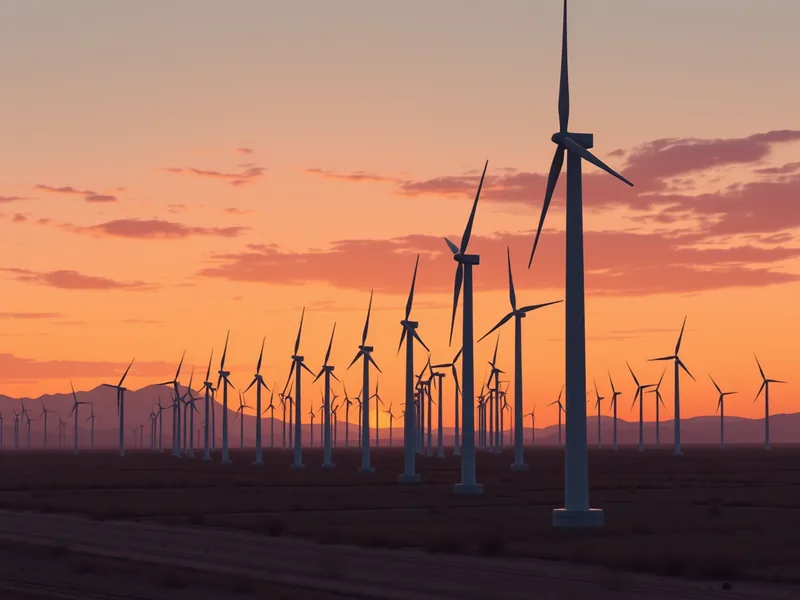
Despite former President Donald Trump's attempts to stifle clean energy, S&P Global Energy reports a record 45GW increase in capacity this year, signaling a resilient shift toward renewables.
In the face of significant political headwinds, the United States has seen an unprecedented surge in clean energy adoption. According to a recent report by S&P Global Energy, renewable energy capacity is set to rise by a record 45 gigawatts (GW) this year. This remarkable growth stands as a testament to the resilience and innovation of the American clean tech sector, which has managed to thrive despite efforts by the Trump administration to curtail its progress.
During his tenure, President Donald Trump made no secret of his disdain for renewable energy sources like wind and solar. His administration rolled back numerous environmental regulations, promoted fossil fuels, and even attempted to impose tariffs on solar panels. Yet, these actions have not been enough to stifle the momentum of the clean energy industry. Instead, they seem to have galvanized a diverse coalition of stakeholders-ranging from tech giants and utility companies to local communities and individual consumers-who are increasingly committed to a sustainable future.
The growth in renewable capacity is being driven by several factors. Technological advancements have made solar and wind power more efficient and cost-effective than ever before. In many parts of the country, it is now cheaper to build new renewable energy facilities than to continue operating existing coal plants. This economic reality has led to a significant shift in investment patterns, with both private and public sectors pouring resources into clean energy projects.
Another key driver is the increasing awareness among Americans about the urgent need to address climate change. Polls consistently show that a majority of U.S. Citizens support policies aimed at reducing carbon emissions and transitioning to renewable energy sources. This public sentiment has translated into action, with many states and cities setting ambitious targets for clean energy adoption. For example, California aims to achieve 100% carbon-free electricity by 2045, while New York has set a goal of sourcing 70% of its electricity from renewables by 2030.
Innovation has played a crucial role in the clean energy boom. Companies like Tesla have not only made electric vehicles (EVs) more accessible but have also developed home solar panel systems that allow consumers to generate their own power. This trend toward self-sufficiency aligns well with conservative values, as it promotes independence and reduces reliance on foreign oil. As one Ars Technica user noted, "Drive your car with good ol' American sunshine, not Middle East gas!" This sentiment highlights the potential for rebranding clean energy in a way that resonates across the political spectrum.
Policy has also been instrumental in fostering this growth. While federal support under the Trump administration was limited, many states have taken it upon themselves to implement their own incentives and regulations. Tax credits, renewable portfolio standards, and net metering policies have all contributed to making clean energy more attractive for both producers and consumers. The incoming Biden administration has also signaled its commitment to expanding these efforts, with plans to invest heavily in green infrastructure and research.
The resilience of the clean energy sector is not just a story of technological progress or policy innovation; it is also a reflection of the broader cultural shift towards sustainability. This shift is evident in the way communities are coming together to protect natural resources. For instance, Catherine Podojil, an environmental advocate, emphasizes the importance of preserving green spaces, from small school gardens to vast forests. "We have to fight against every threat to forests and other greenery," she writes, highlighting the interconnectedness of local conservation efforts with global climate goals.
As the United States continues its transition towards a clean energy future, several challenges and opportunities lie ahead. One of the most pressing issues is grid modernization. The existing power grid was not designed to handle the variability and decentralization inherent in renewable energy sources. Significant investments will be needed to upgrade infrastructure, improve storage technologies, and enhance grid resilience.
Another area of focus is job creation and workforce development. The clean energy sector has the potential to generate millions of new jobs, but this transition must be managed carefully to ensure that displaced workers from traditional industries are not left behind. Training programs and re-skilling initiatives will be crucial in facilitating a just and inclusive transition.
Finally, international cooperation will play a vital role in addressing global climate challenges. The U.S. Can lead by example, demonstrating the economic and environmental benefits of clean energy adoption. By working with other nations to share knowledge, technology, and best practices, the world can move closer to achieving the ambitious goals set forth in the Paris Agreement.
The resilience of the clean energy sector in the face of political adversity is a promising sign for the future. As the U.S. Continues to innovate and invest in sustainable technologies, it is poised to lead the global transition towards a cleaner, more resilient energy system.
Tags
Original Sources
Trump tried to curb clean energy. It’s booming anyway.
↗ https://arstechnica.com/civis/threads/trump-tried-to-curb-clean-energy-it%E2%80%99s-booming-anyway.1514483/page-2
About the author
Amara's entry point into AI was an epidemiology role at a London research hospital, where she spent five years studying how digital health tools reached — or conspicuously failed to reach — underserved communities. Watching early algorithmic systems in healthcare quietly entrench existing inequalities, she redirected her career toward the systemic consequences of AI at scale. She covers AI through an unflinching lens: who benefits, who bears the cost, and what evidence actually says versus what the press release claims. Her writing is calm and precise, but she doesn't mistake balance for neutrality.
More from The Steward →This Week's Edition
31 August 2026
17 articles
Related Articles
Related Articles
More Stories
© 2026 Cedar & Bloom. All rights reserved.