The Drum · Weekly AI news, freeSubscribe →
Share
A new app is harnessing the unique patterns in dog nose prints to help reunite lost pets with their owners, offering a foolproof identification method that overcomes the limitations of traditional tags and microchips.
In a world where pets often wander off and get lost, a new discovery could revolutionize how we identify and reunite with our furry friends. Just like human fingerprints, every dog has a unique nose print that can be used for identification. A novel app is now leveraging this biological uniqueness to help pet owners keep track of their beloved companions.
For many families, losing a pet can be as distressing as losing a family member. Traditional methods of identifying lost pets, such as collars and microchips, have limitations. Collars can fall off or be removed, and while microchips are more reliable, they require specialized equipment to read and can sometimes fail. The discovery that each dog's nose print is unique offers a new, highly effective way to identify pets.
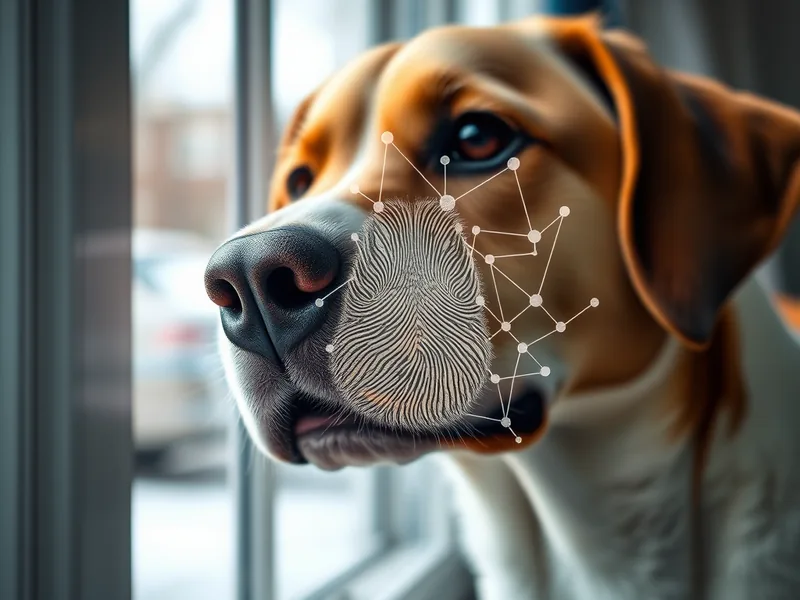
Dog noses are not just for smelling; they are also intricate biological structures with patterns as distinct as human fingerprints. These patterns form during the puppy stage and remain consistent throughout the dog’s life. The uniqueness of these prints lies in the ridges and whorls that create a specific pattern, much like the lines on our fingertips.
A new app called "Nose ID" is making it easier for pet owners to use this biological feature. Here's how it works:
The adoption of nose print identification could have significant long-term benefits for pet welfare. It has the potential to reduce the number of lost pets, decrease the burden on animal shelters, and provide peace of mind for pet owners. Additionally, this technology could be expanded to other animals, further enhancing our ability to protect and care for them.
If you're a pet owner, consider using the Nose ID app to register your dog's nose print. It’s a simple step that can make a big difference in ensuring your furry friend is always identified, no matter where they wander.
The discovery of unique dog nose prints and the development of the Nose ID app represent a significant advancement in pet identification technology. By embracing this innovation, we can create a safer and more connected community for our pets and their families.
Tags
Original Sources
About the author
Amara's entry point into AI was an epidemiology role at a London research hospital, where she spent five years studying how digital health tools reached — or conspicuously failed to reach — underserved communities. Watching early algorithmic systems in healthcare quietly entrench existing inequalities, she redirected her career toward the systemic consequences of AI at scale. She covers AI through an unflinching lens: who benefits, who bears the cost, and what evidence actually says versus what the press release claims. Her writing is calm and precise, but she doesn't mistake balance for neutrality.
More from The Steward →This Week's Edition
29 April 2026
29 articles
Related Articles
Related Articles
More Stories
© 2026 Cedar & Bloom. All rights reserved.