The Drum · Weekly AI news, freeSubscribe →

Share
Elsa, the FDA's new AI tool, aims to revolutionize agency operations by boosting efficiency and supporting staff across departments, from scientific reviewers to field investigators, enhancing overall public health outcomes.
The U.S. Food and Drug Administration (FDA) has introduced a new generative Artificial Intelligence (AI) tool named Elsa, designed to boost the efficiency of its workforce and better serve the American people. This innovative technology is part of a broader effort to modernize agency functions and ensure that FDA employees-from scientific reviewers to field investigators-can work more effectively.
The introduction of Elsa represents a significant step forward in how the FDA operates, with potential benefits for public health and safety. By streamlining processes and providing real-time support, this AI tool can help speed up drug reviews, clinical inspections, and other critical tasks. Ultimately, this means faster access to new treatments and better oversight of existing products, which can save lives and improve quality of life for millions of Americans.
Elsa is built within a high-security GovCloud environment, ensuring that all data remains secure and confidential. The tool allows FDA employees to access internal documents and information quickly and efficiently, without the risk of sensitive data being exposed. Importantly, Elsa does not train on data submitted by regulated industries, which helps protect the integrity and confidentiality of ongoing research.
Before its full-scale rollout, Elsa underwent a successful pilot program with FDA’s scientific reviewers. This trial demonstrated the tool's effectiveness in enhancing productivity and accuracy. Based on these positive results, FDA Commissioner Marty Makary, M.D., M.P.H., set an aggressive timeline to implement Elsa across the entire agency by June 30.
“Today’s rollout of Elsa is ahead of schedule and under budget, thanks to the collaboration of our in-house experts across the centers,” said Commissioner Makary. “This achievement underscores our commitment to leveraging cutting-edge technology for the benefit of public health.”
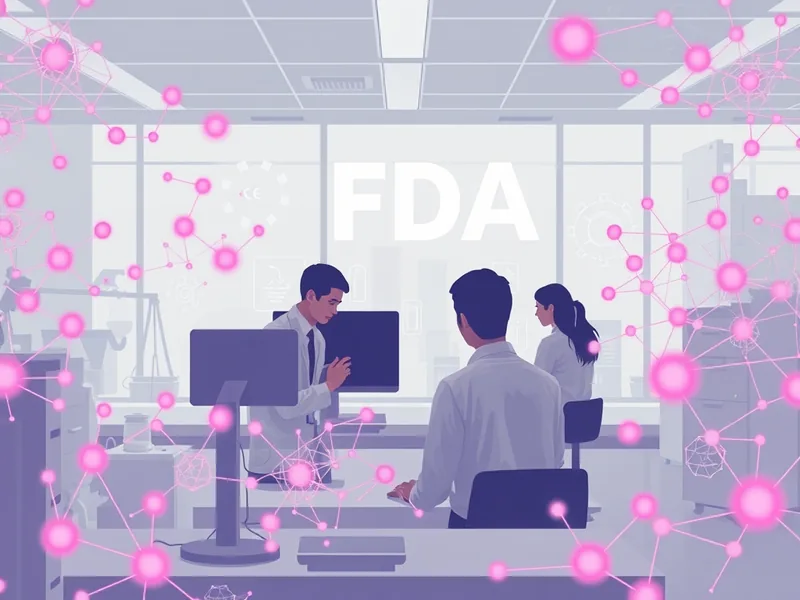
The introduction of Elsa marks a new era at the FDA, where AI is not just a distant promise but a dynamic force that enhances and optimizes the performance of every employee. According to Jeremy Walsh, the FDA’s Chief AI Officer, “Today marks the dawn of the AI era at the FDA with the release of Elsa. AI is now a powerful tool that will help us work smarter and faster, ultimately leading to better outcomes for the American people.”
The benefits of Elsa are clear: faster drug approvals, more efficient clinical inspections, and enhanced data analysis capabilities. However, it's important to consider the potential risks as well. As with any new technology, there is a learning curve for employees, and ensuring that AI tools like Elsa are used ethically and transparently will be crucial.
In the long term, the integration of AI into the FDA’s operations could lead to significant improvements in public health outcomes. By streamlining processes and reducing bureaucratic delays, the agency can respond more quickly to emerging health threats and bring new treatments to market faster. Additionally, the use of AI can help ensure that regulatory decisions are based on the most up-to-date and accurate information available.
The launch of Elsa is a promising development for the FDA and the American people. By harnessing the power of AI, the agency is taking a significant step towards modernizing its operations and improving public health outcomes. As this technology continues to evolve, it will be essential to monitor its impact and ensure that it is used in ways that benefit everyone.
Tags
Original Sources
About the author
Amara's entry point into AI was an epidemiology role at a London research hospital, where she spent five years studying how digital health tools reached — or conspicuously failed to reach — underserved communities. Watching early algorithmic systems in healthcare quietly entrench existing inequalities, she redirected her career toward the systemic consequences of AI at scale. She covers AI through an unflinching lens: who benefits, who bears the cost, and what evidence actually says versus what the press release claims. Her writing is calm and precise, but she doesn't mistake balance for neutrality.
More from The Steward →This Week's Edition
3 June 2025
29 articles
Related Articles
Related Articles
More Stories
© 2026 Cedar & Bloom. All rights reserved.