The Drum · Weekly AI news, freeSubscribe →

Share
As the FDA reconsiders its surprising rejection of CP-101, patients with a rare form of cancer await a potential lifeline, while regulators navigate the fine line between safety and accessibility.
The Food and Drug Administration (FDA) is revisiting its decision on a treatment for a rare form of cancer after an unexpected rejection last year. This move comes as a glimmer of hope for patients who have few other options, but it also highlights the complex balance between ensuring drug safety and making potentially life-saving treatments available.
In April 2025, the FDA's initial decision to reject the treatment, developed by Catalyst Pharma, sent shockwaves through the rare cancer community. The treatment, known as CP-101, was designed to target a specific mutation found in fewer than 5,000 patients annually. Despite promising early results and strong support from patient advocacy groups, the FDA cited concerns over insufficient data on long-term efficacy and safety.
The rejection left many patients feeling abandoned and frustrated. Sarah Thompson, a 42-year-old mother diagnosed with the rare cancer, told The Beat, "I felt like we were running out of time. My doctors said this was our best shot, and now it's been taken away."
However, recent developments suggest that the FDA is re-evaluating its stance. In a statement released on May 7, 2026, the agency announced plans to convene an advisory committee meeting in June to reassess CP-101. This decision follows intense pressure from patient groups and healthcare providers who argue that the benefits of the treatment outweigh the risks.
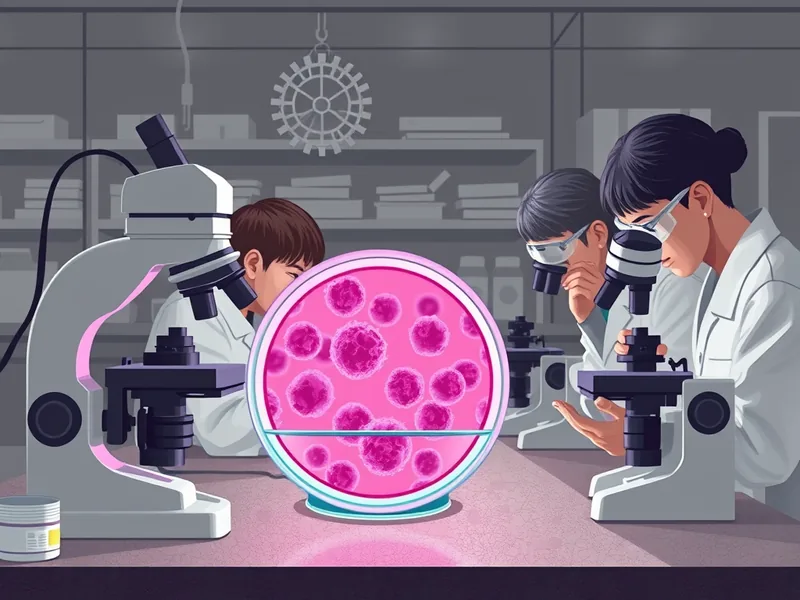
CP-101 is a targeted therapy that works by blocking a specific protein involved in tumor growth. In clinical trials, it showed significant promise, with 70% of patients experiencing a reduction in tumor size and improved quality of life. However, the FDA's initial rejection was based on concerns about the limited number of participants and the lack of long-term follow-up data.
Dr. Emily Carter, a leading oncologist at Memorial Sloan Kettering Cancer Center, explained, "While the early results are encouraging, we need more robust data to fully understand the treatment's long-term effects. The advisory committee meeting will be crucial in determining whether the benefits justify the risks for patients with this rare and aggressive cancer."
The re-evaluation also comes amid growing scrutiny of the FDA's decision-making process. Critics have accused the agency of being overly cautious, particularly when it comes to treatments for rare diseases where options are limited. Dr. John Davis, a bioethicist at Harvard Medical School, noted, "There is a delicate balance between ensuring patient safety and providing access to potentially life-saving treatments. In cases like this, where the disease is so rare and aggressive, we need to be more flexible in our approach."
The FDA's reconsideration of CP-101 has broader implications for the approval process of treatments for rare diseases. If approved, it could set a precedent for how the agency evaluates similar therapies in the future. This is particularly important given the increasing number of targeted treatments being developed for small patient populations.
For patients like Sarah Thompson, the FDA's decision could mean the difference between life and death. "Every day feels like a race against time," she said. "I'm hopeful that this re-evaluation will lead to a positive outcome and give us another chance."
The advisory committee meeting in June will be closely watched by patient groups, healthcare providers, and industry stakeholders. The outcome could not only impact the lives of those with this rare cancer but also shape future policies for drug approval in the United States.
Tags
Original Sources
FDA revisits a rare cancer treatment it rejected a few months ago
↗ https://www.statnews.com/2026/05/07/biotech-news-fda-reconsiders-rare-cancer-treatment-after-surprise-rejection
About the author
Amara's entry point into AI was an epidemiology role at a London research hospital, where she spent five years studying how digital health tools reached — or conspicuously failed to reach — underserved communities. Watching early algorithmic systems in healthcare quietly entrench existing inequalities, she redirected her career toward the systemic consequences of AI at scale. She covers AI through an unflinching lens: who benefits, who bears the cost, and what evidence actually says versus what the press release claims. Her writing is calm and precise, but she doesn't mistake balance for neutrality.
More from The Steward →This Week's Edition
7 May 2026
29 articles
Related Articles
Related Articles
More Stories
© 2026 Cedar & Bloom. All rights reserved.