The Drum · Weekly AI news, freeSubscribe →

Share
A physical therapist reveals her transformation from doubter to champion of AI in healthcare, highlighting the technology's potential to enhance-not replace-human expertise and care.
Like many healthcare professionals, I was initially wary of how artificial intelligence (AI) might impact my field. Innovation is crucial, but in healthcare, new tools can have significant consequences if they’re rushed into practice without proper oversight.
As a licensed physical therapist, I’ve seen firsthand the importance of nuanced care and trust in patient outcomes. The rapid introduction of digital tools, often touted for increasing efficiency or reducing costs, raised concerns: Would AI sideline human decision-making, potentially at the expense of patient well-being?
Musculoskeletal (MSK) conditions are a leading cause of pain, disability, and healthcare spending in the United States. Nearly half of all U.S. adults live with an MSK condition at any given time. I chose this field because I wanted to help people manage their pain and maintain active lifestyles, not because I aimed to expedite their journey through the healthcare system.
Over the years, I’ve observed a troubling trend: patients often receive care only after their conditions have worsened, or they are directed toward low-value interventions that don’t address the root causes. By the time they reach the appropriate level of support, their quality of life has already been significantly impacted-often unnecessarily so.
MSK care is inherently complex. Two individuals with the same diagnosis can require very different treatment plans. Factors such as readiness, fear, financial constraints, family responsibilities, and past healthcare experiences all play crucial roles in determining the best course of action. There’s a lot of "it depends."
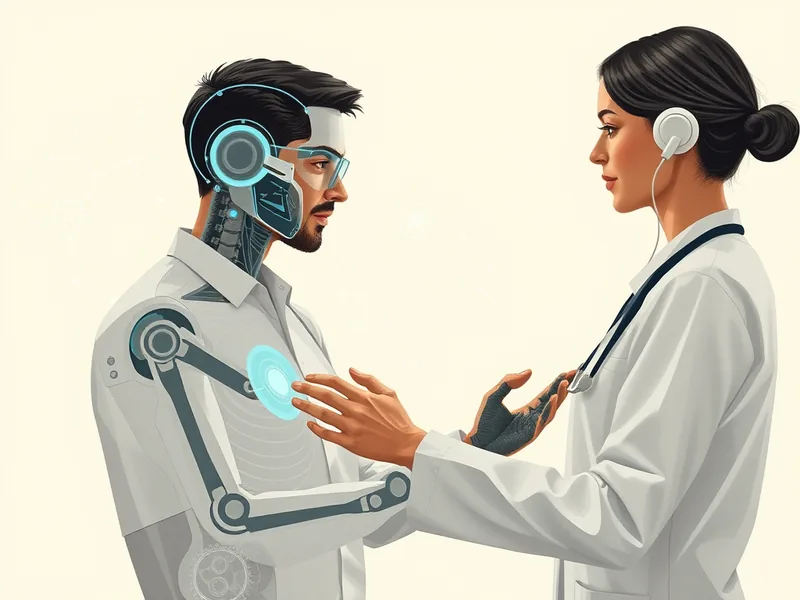
Healthcare is under immense pressure to deliver better outcomes at lower costs. Payment models are increasingly tied to patient outcomes and total care costs. This means it’s essential to provide the right care to the right person as early as possible, and AI has significant potential in achieving this goal.
For example, AI can analyze vast amounts of data to identify patterns that might not be immediately apparent to human clinicians. It can help predict which patients are at higher risk for certain conditions or complications, allowing for proactive interventions. AI tools can also assist in personalizing treatment plans by considering a wide range of individual factors, ensuring that care is tailored to each patient’s unique needs.
However, the key to successfully integrating AI into MSK care lies in maintaining a balance between technology and human expertise. AI should complement, not replace, the critical role that physical therapists play in building trust and providing compassionate, personalized care. By working together, AI and human clinicians can enhance the overall patient experience, leading to better outcomes and improved quality of life.
My journey from skepticism to advocacy has been shaped by witnessing the potential benefits of AI when used responsibly. While I remain vigilant about ensuring that new tools are thoroughly evaluated and ethically implemented, I now see AI as a valuable ally in my mission to help people navigate pain and stay active in their lives.
Tags
Original Sources
How I Learned To Trust AI as a Physical Therapist - MedCity News
↗ https://medcitynews.com/2026/05/how-i-learned-to-trust-ai-as-a-physical-therapist
About the author
Amara's entry point into AI was an epidemiology role at a London research hospital, where she spent five years studying how digital health tools reached — or conspicuously failed to reach — underserved communities. Watching early algorithmic systems in healthcare quietly entrench existing inequalities, she redirected her career toward the systemic consequences of AI at scale. She covers AI through an unflinching lens: who benefits, who bears the cost, and what evidence actually says versus what the press release claims. Her writing is calm and precise, but she doesn't mistake balance for neutrality.
More from The Steward →This Week's Edition
7 May 2026
29 articles
Related Articles
Related Articles
More Stories
© 2026 Cedar & Bloom. All rights reserved.