The Drum · Weekly AI news, freeSubscribe →

Share
As extreme weather events become more frequent and intense, communities are facing life-threatening situations while critical infrastructure struggles to cope.
In a stark reminder of the escalating climate crisis, thousands have been forced to flee their homes due to raging wildfires, while a heatwave has shut down an advanced AI supercomputer. These events highlight the immediate and severe impacts of global warming on human lives and technological systems.
The current wave of wildfires sweeping through several regions has displaced countless families. The intense heat, coupled with dry conditions, has created a perfect storm for these fires to spread rapidly. Emergency services are stretched thin as they work tirelessly to evacuate residents and control the blazes. The smoke from the fires not only endangers those in its immediate path but also affects air quality over vast areas, posing health risks to millions.
Meanwhile, the heatwave has forced the shutdown of an AI supercomputer designed to process massive amounts of data for climate research and other critical applications. The facility, which relies on sophisticated cooling systems to maintain optimal operating temperatures, was unable to keep up with the extreme heat. This disruption underscores the vulnerability of even the most advanced technological infrastructure to climate extremes.
The immediate consequences of these events are dire. For those forced to evacuate, the loss of homes and belongings is devastating. Many have had to leave behind pets and livestock, adding to their distress. Emergency shelters are being set up to provide temporary housing, food, and medical care, but resources are often limited.
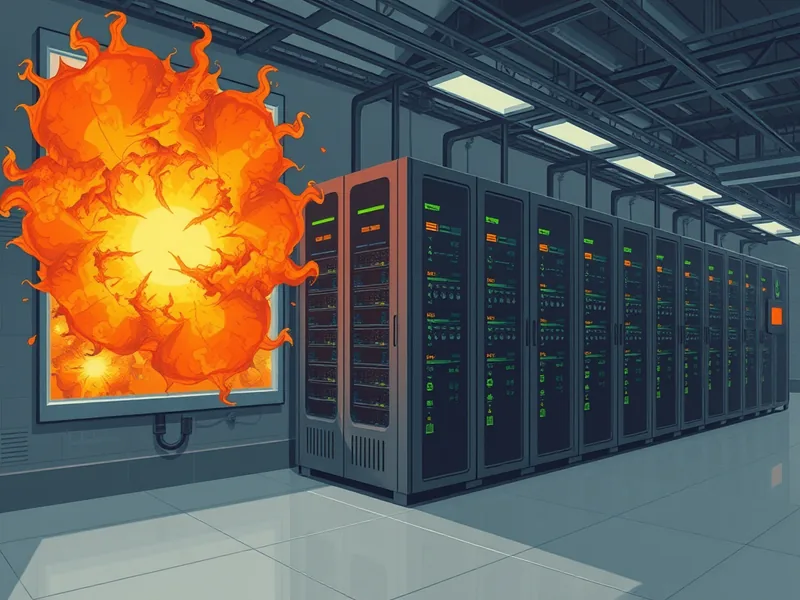
The shutdown of the AI supercomputer has broader implications for climate research and other data-intensive fields. Scientists rely on these powerful machines to model complex systems, predict weather patterns, and analyze vast datasets. The loss of this computational power can delay critical research and decision-making processes, potentially impacting our ability to respond effectively to future climate challenges.
Local economies are also suffering. Tourism in affected areas has come to a standstill, and businesses have had to close temporarily or permanently. Farmers face significant losses as crops wither in the heat, and livestock struggle to survive. The ripple effects of these disruptions can be felt far beyond the immediate disaster zones.
These events are not isolated incidents but part of a growing trend of extreme weather linked to climate change. As global temperatures continue to rise, we can expect more frequent and intense heatwaves, wildfires, and other natural disasters. The human toll is immense, with vulnerable populations-such as the elderly, children, and those with preexisting health conditions-bearing the brunt of these impacts.
The shutdown of critical infrastructure like AI supercomputers highlights another layer of vulnerability. Our modern world relies heavily on technology to function, and when that technology fails due to extreme weather, the consequences can be severe. This underscores the urgent need for resilient infrastructure that can withstand the challenges posed by a changing climate.
Ultimately, these events serve as a wake-up call. They remind us that climate change is not a distant threat but a present reality with immediate and far-reaching consequences. It is imperative that we take collective action to mitigate the impacts of global warming and build more resilient communities. The time for decisive action is now.
Tags
Original Sources
‘Thousands flee’ from wildfires | Heatwave shuts AI supercomputer | Cuban blackout - Carbon Brief
↗ https://www.carbonbrief.org/daily-brief/thousands-flee-from-wildfires-heatwave-shuts-ai-supercomputer-cuban-blackout
About the author
Amara's entry point into AI was an epidemiology role at a London research hospital, where she spent five years studying how digital health tools reached — or conspicuously failed to reach — underserved communities. Watching early algorithmic systems in healthcare quietly entrench existing inequalities, she redirected her career toward the systemic consequences of AI at scale. She covers AI through an unflinching lens: who benefits, who bears the cost, and what evidence actually says versus what the press release claims. Her writing is calm and precise, but she doesn't mistake balance for neutrality.
More from The Steward →This Week's Edition
13 July 2026
34 articles
Related Articles

Oracle Trucks In Natural Gas to Keep AI Data Centers Running Ahead of Pipelines
Environment & Climate · 5 min

MIT Technology Review's 2026 Climate Tech List Shows Where Capital Is Actually Flowing
Environment & Climate · 5 min

Corporate Carbon Pledges Face a Reckoning as Accountability Rules Tighten
Environment & Climate · 5 min
Related Articles
Oracle Trucks In Natural Gas to Keep AI Data Centers Running Ahead of Pipelines
Environment & Climate · 5 min
MIT Technology Review's 2026 Climate Tech List Shows Where Capital Is Actually Flowing
Environment & Climate · 5 min
Corporate Carbon Pledges Face a Reckoning as Accountability Rules Tighten
Environment & Climate · 5 min
More Stories
© 2026 Cedar & Bloom. All rights reserved.
