The Drum · Weekly AI news, freeSubscribe →

Share
As global temperatures rise, engineering and agricultural technology are becoming crucial tools to ensure food security for billions of people.
In a world where climate change is an undeniable reality, the challenge of feeding a growing population has never been more pressing. By 2050, the global population is expected to reach nearly 10 billion, and with it comes the urgent need to produce more food while using fewer resources. This is where engineering and agricultural technology play a pivotal role. From precision agriculture to sustainable practices, these innovations are not just about increasing yields; they are about securing our future in a changing climate.
The stakes are high. Climate change is already affecting crop yields, water availability, and soil health. Extreme weather events such as droughts, floods, and heatwaves are becoming more frequent and intense, making traditional farming methods increasingly unreliable. According to the United Nations, food production must increase by 70% by 2050 to meet global demand. Engineering solutions can help bridge this gap by improving efficiency, resilience, and sustainability in agriculture.
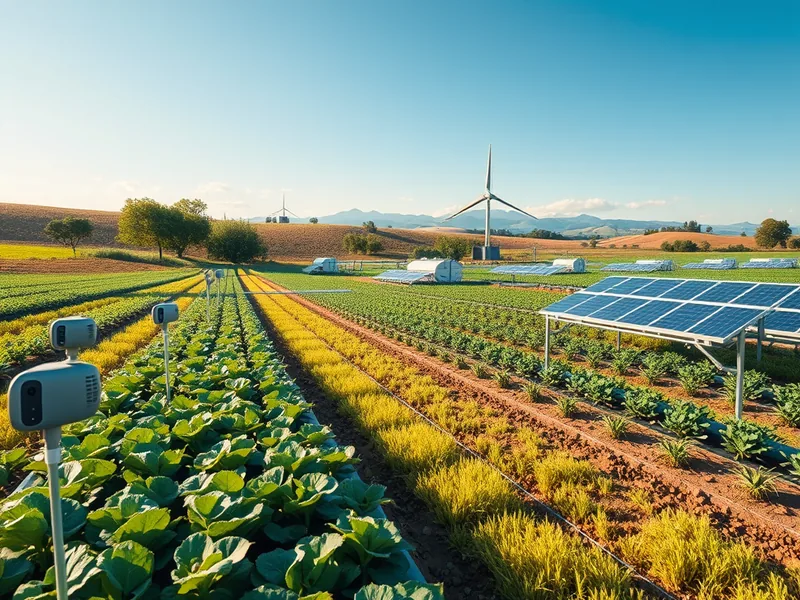
One of the most promising areas is precision agriculture, which uses advanced technologies to optimize crop management. Sensors, drones, and satellite imagery can provide real-time data on soil moisture, nutrient levels, and plant health. This information allows farmers to make informed decisions about irrigation, fertilization, and pest control, reducing waste and increasing yields. For example, a study by the International Food Policy Research Institute found that precision agriculture could increase crop yields by up to 50% while reducing water usage by 30%.
In addition to precision agriculture, sustainable practices are essential for long-term food security. These include methods like conservation tillage, which minimizes soil disturbance to preserve organic matter and reduce erosion. Cover cropping involves planting crops that protect the soil and improve its health between cash crop cycles. Both techniques help maintain soil fertility and biodiversity, which are crucial for sustained productivity.
Another key innovation is vertical farming, a method of growing crops in vertically stacked layers, often in controlled environments. This approach uses significantly less land and water compared to traditional farming, making it ideal for urban areas where space is limited. Vertical farms can also reduce the need for pesticides by creating controlled environments that prevent pest infestations. Companies like AeroFarms and BrightFarms are leading the way in this field, demonstrating that sustainable agriculture can be both profitable and environmentally friendly.
Genetic engineering is being used to develop crops that are more resilient to climate change. Scientists are working on creating varieties of plants that can withstand extreme temperatures, droughts, and pests. For instance, researchers at the University of California, Riverside, have developed a genetically modified tomato that can grow in saltwater, opening up new possibilities for farming in coastal areas.
The integration of engineering solutions into agriculture is not just about meeting current food demands; it's about building a resilient and sustainable food system for future generations. By adopting these technologies, we can mitigate the impacts of climate change on food security, reduce environmental degradation, and ensure that everyone has access to nutritious food.
However, there are challenges to overcome. The initial costs of implementing advanced agricultural technologies can be high, making them inaccessible to small-scale farmers in developing countries. Governments and international organizations must provide support through funding, training, and infrastructure development to ensure that these innovations reach those who need them most.
Ultimately, the future of food security depends on a collaborative effort between engineers, farmers, policymakers, and communities. By working together, we can create a more sustainable and resilient agricultural system that benefits both people and the planet.
Tags
Original Sources
Engineering Is Critical to Boosting Food Security
↗ https://spectrum.ieee.org/engineering-critical-food-security
About the author
Amara's entry point into AI was an epidemiology role at a London research hospital, where she spent five years studying how digital health tools reached — or conspicuously failed to reach — underserved communities. Watching early algorithmic systems in healthcare quietly entrench existing inequalities, she redirected her career toward the systemic consequences of AI at scale. She covers AI through an unflinching lens: who benefits, who bears the cost, and what evidence actually says versus what the press release claims. Her writing is calm and precise, but she doesn't mistake balance for neutrality.
More from The Steward →This Week's Edition
23 June 2026
25 articles
Related Articles
Related Articles
More Stories
© 2026 Cedar & Bloom. All rights reserved.