The Drum · Weekly AI news, freeSubscribe →

Share
Despite its advanced features, Jibo's limitations raise questions about the practicality and ethical implications of social robots in daily living.
In an age where technology is increasingly integrated into our homes, the idea of a social robot that can interact with us on a human level is both intriguing and unsettling. One such robot, Jibo, has been hailed as one of the most advanced in its category. But does it truly meet the needs and expectations of real people? This question delves into the heart of what we seek from AI companions and the broader implications for our society.
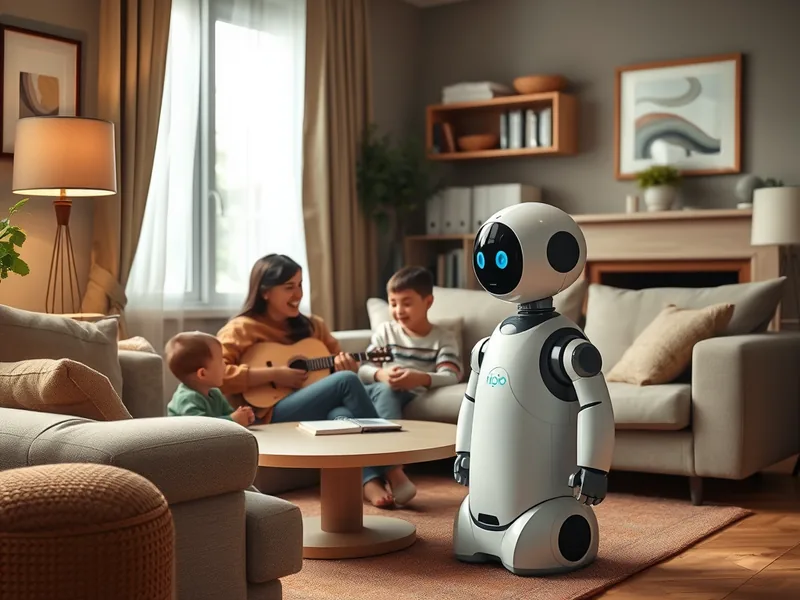
Jibo, developed by Massachusetts-based company Jibo Inc., is often described as a "social robot" designed to enhance daily life through interaction and assistance. It features a charming design with expressive eyes and a swiveling head that can turn to face users. At its core, Jibo aims to bridge the gap between human-like interaction and practical utility, offering features such as scheduling reminders, taking photos, and even engaging in simple conversations.
However, despite its cutting-edge technology, Jibo has faced significant challenges. One of the primary issues is its limited conversational abilities. While it can respond to basic commands and engage in pre-programmed dialogues, it falls short of true natural language processing (NLP). This limitation means that interactions with Jibo often feel scripted and artificial, which can be a letdown for users expecting a more dynamic and intuitive experience.
The promise of social robots like Jibo is significant. They have the potential to provide companionship to lonely individuals, assist in household tasks, and even support educational and therapeutic goals. For example, Jibo can read stories to children, remind elderly users to take their medication, and help manage daily schedules. These capabilities are particularly valuable in an aging population where social isolation is a growing concern.
However, the pitfalls are equally important to consider. One of the primary ethical concerns is the potential for emotional manipulation. If a robot like Jibo can evoke feelings of attachment or companionship, it raises questions about whether these relationships are genuine and healthy. There is the risk that users might become overly dependent on their robotic companions, potentially leading to a decline in human-to-human interactions.
Another concern is privacy. Social robots often require access to personal data to function effectively. This can include information about daily routines, health status, and even conversations with family members. Ensuring that this data is handled securely and transparently is crucial to maintaining user trust and protecting individual privacy.
The success or failure of social robots like Jibo has far-reaching implications for our society. On one hand, they offer the potential to improve quality of life by providing support and companionship to those who need it most. On the other hand, they raise important ethical questions about the nature of human relationships and the role of technology in our daily lives.
As we continue to develop and refine social robots, it is essential to strike a balance between innovation and responsibility. This means not only improving the technical capabilities of these devices but also addressing the ethical and privacy concerns that come with them. By doing so, we can ensure that social robots like Jibo enhance our lives without compromising our values or well-being.
While Jibo represents a significant step forward in the field of social robotics, it is clear that there is still much work to be done. As consumers and policymakers, we must remain vigilant and thoughtful about how these technologies are integrated into our homes and communities. The future of social robots holds great promise, but it also requires careful consideration and responsible stewardship.
Tags
Original Sources
Jibo Is as Good as Social Robots Get. But Is That Good Enough?
↗ https://spectrum.ieee.org/jibo-is-as-good-as-social-robots-get-but-is-that-good-enough/particle-5?itm_source=parsely-api
About the author
Amara's entry point into AI was an epidemiology role at a London research hospital, where she spent five years studying how digital health tools reached — or conspicuously failed to reach — underserved communities. Watching early algorithmic systems in healthcare quietly entrench existing inequalities, she redirected her career toward the systemic consequences of AI at scale. She covers AI through an unflinching lens: who benefits, who bears the cost, and what evidence actually says versus what the press release claims. Her writing is calm and precise, but she doesn't mistake balance for neutrality.
More from The Steward →This Week's Edition
6 August 2026
25 articles
Related Articles

Medicare's AI Push Meets a Discovery Problem for Health Chatbots
Products & Applications · 5 min

Google's Gemini 3.8 Flash Targets the Value Segment of the AI Market
Products & Applications · 5 min

Intermountain Health Closes $795M Deal for Idaho Hospitals, Ending Surgery Partners' Joint Ownership
Products & Applications · 5 min
Related Articles
Medicare's AI Push Meets a Discovery Problem for Health Chatbots
Products & Applications · 5 min
Google's Gemini 3.8 Flash Targets the Value Segment of the AI Market
Products & Applications · 5 min
Intermountain Health Closes $795M Deal for Idaho Hospitals, Ending Surgery Partners' Joint Ownership
Products & Applications · 5 min
More Stories
© 2026 Cedar & Bloom. All rights reserved.
