The Drum · Weekly AI news, freeSubscribe →
Share
Researchers at Johns Hopkins University have created a revolutionary device that could drastically improve recovery for spinal cord injury patients, offering hope for enhanced healing and rehabilitation outcomes previously unseen in medical history.
In a significant leap forward for medical science, researchers at Johns Hopkins University have developed an innovative device that could revolutionize the treatment of spinal cord injuries. This breakthrough technology, which is designed to promote healing and improve rehabilitation outcomes, offers new hope to millions of individuals living with debilitating injuries.
Spinal cord injuries can be life-altering, often leading to paralysis or severe mobility issues. According to the National Spinal Cord Injury Statistical Center, approximately 17,000 new spinal cord injuries occur each year in the United States alone. The economic and emotional toll on patients and their families is immense, with lifelong medical care and rehabilitation being both costly and challenging.
The device developed by Johns Hopkins researchers aims to address these challenges by facilitating the regrowth of damaged nerve cells. Known as a "neural scaffold," this implantable device is designed to support the natural healing process while minimizing scarring, which can impede recovery.
To understand how the neural scaffold works, think of it like a bridge over a damaged road. Just as a bridge provides a pathway for cars to cross an obstacle, the neural scaffold creates a supportive environment for nerve cells to grow and reconnect. This is crucial because, in spinal cord injuries, scar tissue often forms around the injury site, creating a barrier that prevents new nerve connections from forming.
The neural scaffold is made of biocompatible materials that gradually degrade over time as the body heals. It contains growth factors and other biological cues that encourage the regeneration of nerve cells. In early studies, researchers found that the device significantly reduced scarring and promoted the formation of new neural pathways in animal models.
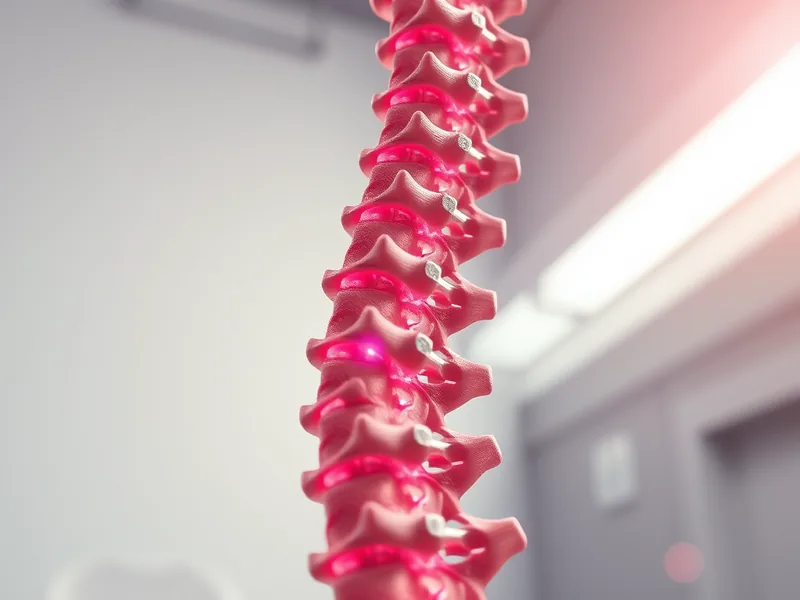
One of the key benefits of this technology is its potential to enhance existing rehabilitation therapies. For patients undergoing physical therapy, the neural scaffold can provide a more conducive environment for recovery, potentially leading to faster and more effective results. This could mean the difference between limited mobility and regaining significant function for many individuals.
However, it's important to note that while these early findings are promising, the device is still in the experimental stage. Clinical trials involving human patients are necessary to fully evaluate its safety and efficacy. The researchers at Johns Hopkins are currently working on refining the design and preparing for these trials, which could begin within the next few years.
The development of this neural scaffold also highlights the importance of interdisciplinary collaboration in medical research. Neuroscientists, materials scientists, and engineers worked together to create a solution that combines cutting-edge biology with advanced engineering. This type of collaboration is essential for tackling complex health issues like spinal cord injuries.
While there are still many hurdles to overcome, the potential impact of this technology is immense. For individuals living with spinal cord injuries, the neural scaffold represents not just a medical advancement but a beacon of hope. It offers the possibility of a future where recovery and rehabilitation are more accessible and effective, ultimately improving the quality of life for countless people.
Tags
Original Sources
↗ https://www.goodnewsnetwork.org/johns-hopkins-spinal-cord-healing-device
About the author
Amara's entry point into AI was an epidemiology role at a London research hospital, where she spent five years studying how digital health tools reached — or conspicuously failed to reach — underserved communities. Watching early algorithmic systems in healthcare quietly entrench existing inequalities, she redirected her career toward the systemic consequences of AI at scale. She covers AI through an unflinching lens: who benefits, who bears the cost, and what evidence actually says versus what the press release claims. Her writing is calm and precise, but she doesn't mistake balance for neutrality.
More from The Steward →This Week's Edition
29 April 2026
29 articles
Related Articles
Related Articles
More Stories
© 2026 Cedar & Bloom. All rights reserved.