The Drum · Weekly AI news, freeSubscribe →
Share
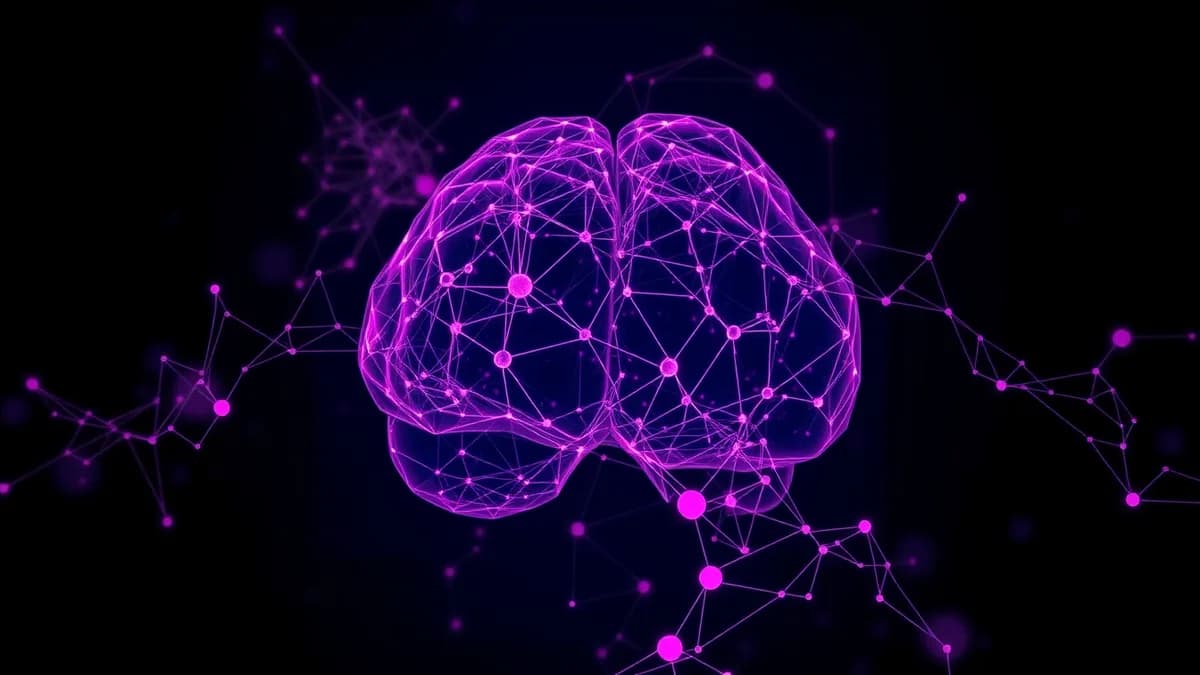
Anne, paralyzed and mute for years, now communicates through a talking avatar that converts her brain signals into speech, showcasing the transformative potential of neurotechnology in restoring lost communication abilities.
In a groundbreaking medical breakthrough, a paralyzed woman has regained the ability to communicate using an innovative brain-computer interface (BCI) that translates her neural signals into speech. This world-first achievement marks a significant step forward in neurotechnology and rehabilitation, offering hope to individuals who have lost their ability to speak due to paralysis or other neurological conditions.
The patient, known as Anne, has been unable to move or speak for years due to a severe spinal cord injury. However, thanks to the collaborative efforts of researchers from the University of California, San Francisco (UCSF) and the tech company Synchron, Anne can now express herself through a computer-generated avatar that mimics natural speech patterns.
The technology works by implanting small sensors into Anne’s brain, specifically in the regions responsible for speech. These sensors detect the electrical activity generated when she thinks about speaking. The signals are then transmitted wirelessly to an external device, which decodes them and converts them into spoken words through a digital avatar. This process is made possible by advanced machine learning algorithms that can interpret complex neural patterns with increasing accuracy over time.
Dr. Edward Chang, one of the lead researchers at UCSF, explains the significance of this achievement: "This is a major milestone in the field of neurotechnology. For the first time, we have been able to restore functional communication for someone who has lost it due to paralysis. The potential applications of this technology are vast and could transform the lives of many individuals."
The impact on Anne’s quality of life has been profound. She can now engage in conversations with her family and caregivers, express her thoughts and feelings, and even participate in decision-making processes that were previously impossible. "It feels like a miracle," Anne shared through the avatar during one of her first sessions. "I can finally let people know what I need and how I feel."
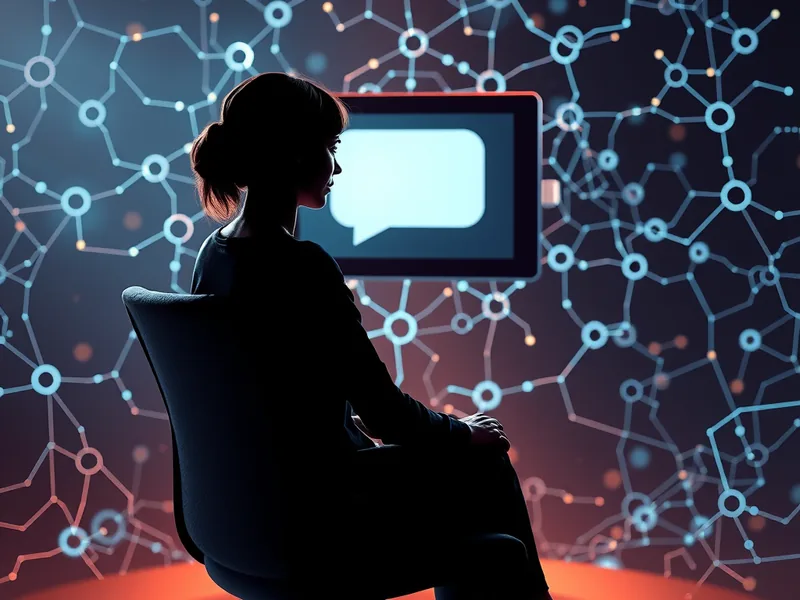
The researchers emphasize that while this is an exciting development, there are still challenges to overcome. The system currently requires calibration and training to improve accuracy and speed. Additionally, the long-term safety and effectiveness of the brain implants need further study. However, the team is optimistic about the future possibilities.
"This technology could be adapted for other forms of communication, such as writing or even controlling a wheelchair," says Dr. Tom Oxley, CEO of Synchron. "The potential to enhance independence and quality of life for people with disabilities is enormous."
The success of this project also highlights the importance of interdisciplinary collaboration in advancing medical technologies. The team at UCSF worked closely with neuroscientists, engineers, and clinicians to develop and refine the BCI system. This multidisciplinary approach is crucial for translating scientific discoveries into practical applications that can benefit patients.
As the technology continues to evolve, researchers are exploring ways to make it more accessible and user-friendly. They hope to reduce the size of the brain implants and improve the software to handle a wider range of speech patterns and languages. The goal is to create a system that can be widely adopted by healthcare providers and integrated into standard care for individuals with paralysis.
The story of Anne and her journey with this BCI technology serves as an inspiring example of how innovation in neurotechnology can address some of the most challenging medical conditions. It underscores the importance of continued investment in research and development to bring these life-changing technologies to those who need them most.
Tags
Original Sources
About the author
Amara's entry point into AI was an epidemiology role at a London research hospital, where she spent five years studying how digital health tools reached — or conspicuously failed to reach — underserved communities. Watching early algorithmic systems in healthcare quietly entrench existing inequalities, she redirected her career toward the systemic consequences of AI at scale. She covers AI through an unflinching lens: who benefits, who bears the cost, and what evidence actually says versus what the press release claims. Her writing is calm and precise, but she doesn't mistake balance for neutrality.
More from The Steward →This Week's Edition
29 April 2026
24 articles
Related Articles
A Heart Without Friction: Maglev Technology Moves Into Cardiac Care
Health & Science · 6 min
How a Stubborn Hiss of Radio Noise Helped Confirm the Big Bang
Health & Science · 5 min
AI Can Predict Chemotherapy Response in Aggressive Breast Cancer, But Not Yet Reliably Enough for the Clinic
Health & Science · 5 min
Related Articles
A Heart Without Friction: Maglev Technology Moves Into Cardiac Care
Health & Science · 6 min
How a Stubborn Hiss of Radio Noise Helped Confirm the Big Bang
Health & Science · 5 min
AI Can Predict Chemotherapy Response in Aggressive Breast Cancer, But Not Yet Reliably Enough for the Clinic
Health & Science · 5 min
More Stories
© 2026 Cedar & Bloom. All rights reserved.
