The Drum · Weekly AI news, freeSubscribe →

Share
As precision psychiatry harnesses advanced technologies for tailored treatments, telehealth challenges the notion that such interventions must be in-person. This article explores how remote care can still deliver personalized mental health solutions.
The promise of precision psychiatry is within reach, thanks to advances like MRI-guided TMS (transcranial magnetic stimulation) and accelerated theta-burst protocols. These technologies are moving mental health care away from one-size-fits-all treatments and toward personalized approaches based on individual brain biology. Meanwhile, telehealth has transformed how psychiatric care is accessed and delivered. But can precision psychiatry truly be effective when delivered remotely? The answer is more nuanced than it might seem.
There's a common assumption that virtual care handles the simpler aspects of mental health treatment-like medication management, therapy, and follow-ups-while advanced interventional psychiatry remains an office-based affair. This view is becoming outdated. Precision psychiatry isn't a single, monolithic approach; it encompasses a range of techniques and processes, some of which are well-suited to telehealth.
For instance, telehealth cannot administer TMS treatments or ketamine infusions. These interventions require physical presence, skilled staff, calibrated equipment, and real-time clinical oversight. This limitation is significant and should not be overlooked. However, it represents only one step in a longer treatment process, and it may be the only step that genuinely requires an in-person visit.
The interventional psychiatry workflow involves much more than just the treatment sessions themselves. It starts with identifying whether a patient is a suitable candidate for specific treatments. This is where telehealth has been underutilized, and where its potential is significant. A thorough psychiatric evaluation conducted via telehealth can gather essential clinical data to guide treatment selection: symptom history, prior treatment trials, comorbidities, medication burden, functional impairment, and patient goals.
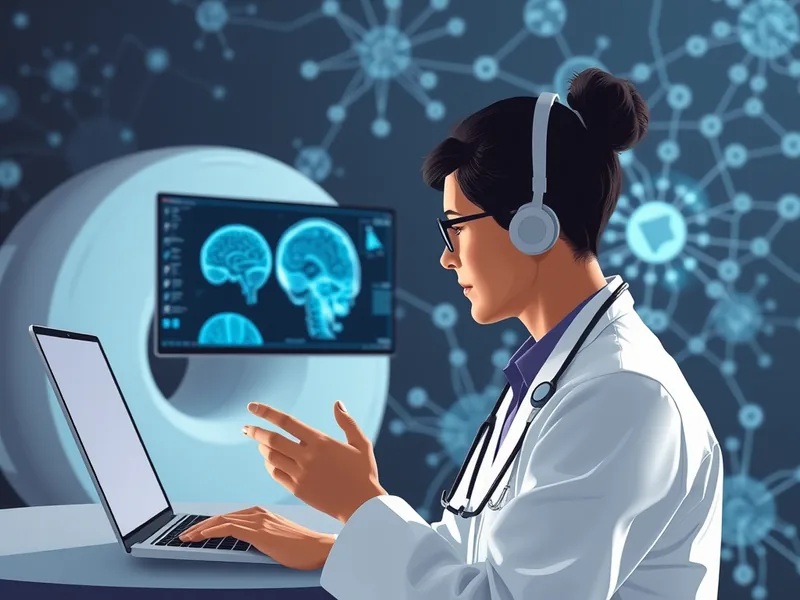
Validated instruments like the PHQ-9 (Patient Health Questionnaire), GAD-7 (Generalized Anxiety Disorder 7-item scale), and the Columbia Suicide Severity Rating Scale can be administered remotely. These tools help clinicians make informed decisions about which interventions are most likely to benefit the patient.
Remote care also plays a crucial role in monitoring treatment outcomes and adjusting plans as needed. Follow-up appointments, symptom tracking, and side effect management can all be effectively handled through telehealth, ensuring that patients receive continuous support without the need for frequent in-person visits.
The integration of precision psychiatry with telehealth has the potential to revolutionize mental health care by making it more accessible and personalized. By leveraging the strengths of both approaches, clinicians can provide high-quality, tailored treatment to a broader population. This is particularly important for individuals who face barriers to in-person care, such as those living in remote areas or dealing with mobility issues.
However, realizing this potential requires continued innovation and collaboration between technology developers, healthcare providers, and policymakers. Ensuring that telehealth platforms are user-friendly, secure, and compliant with regulatory standards is essential. Ongoing research is needed to refine the application of precision psychiatry techniques in a remote setting and to address any gaps in care.
In the end, the goal is to create a seamless, integrated system of mental health care that leverages the best of both worlds: the precision and effectiveness of advanced interventions and the convenience and accessibility of telehealth. This approach has the potential to improve outcomes for millions of people struggling with mental health issues, making it a critical area of focus for the future of healthcare.
Tags
Original Sources
Can Precision Psychiatry Be Delivered Remotely? The Limits and Opportunities of Telehealth in Interventional Care - MedCity News
↗ https://medcitynews.com/2026/05/can-precision-psychiatry-be-delivered-remotely-the-limits-and-opportunities-of-telehealth-in-interventional-care
About the author
Amara's entry point into AI was an epidemiology role at a London research hospital, where she spent five years studying how digital health tools reached — or conspicuously failed to reach — underserved communities. Watching early algorithmic systems in healthcare quietly entrench existing inequalities, she redirected her career toward the systemic consequences of AI at scale. She covers AI through an unflinching lens: who benefits, who bears the cost, and what evidence actually says versus what the press release claims. Her writing is calm and precise, but she doesn't mistake balance for neutrality.
More from The Steward →This Week's Edition
14 May 2026
29 articles
Related Articles
Related Articles
More Stories
© 2026 Cedar & Bloom. All rights reserved.