The Drum · Weekly AI news, freeSubscribe →

Share
This robotic glove leverages the power of music therapy to enhance motor skill recovery for stroke patients, making rehabilitation more engaging and effective with each musical note.
For many stroke survivors, relearning basic motor skills can be a daunting and often frustrating process. A new robotic glove, however, is offering hope by integrating music therapy into the rehabilitation journey. This innovative device not only assists in physical recovery but also taps into the therapeutic benefits of music, making the road to recovery more engaging and effective.
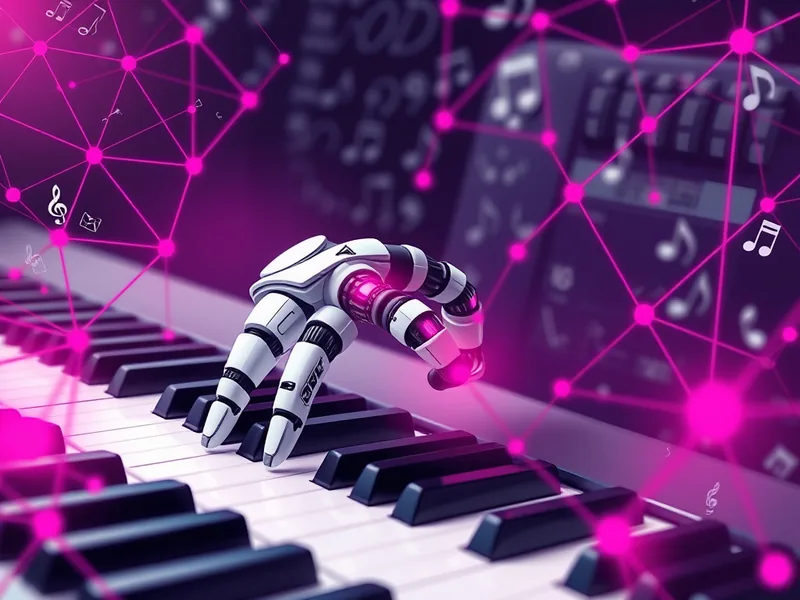
Developed by researchers at the Georgia Institute of Technology, this robotic glove is designed to help stroke survivors regain fine motor skills through a unique blend of technology and art. The glove uses sensors and actuators to guide the user's fingers in precise movements, mimicking the actions required to play musical instruments like the piano. By doing so, it helps retrain the brain and muscles, which can be particularly beneficial for those who have lost dexterity in their hands.
The robotic glove is a sophisticated piece of technology that operates on the principle of "muscle memory." When a stroke survivor puts on the glove, sensors detect the intended movements of their fingers. The actuators then provide gentle assistance to guide the fingers through the necessary motions, helping to reinforce neural pathways in the brain. Over time, this repeated practice can lead to improved motor function and coordination.
One of the key features of the glove is its integration with a musical interface. Users can select different songs or exercises, and the glove will guide their fingers through the corresponding movements. This not only makes the therapy more enjoyable but also leverages the brain's natural affinity for music. Studies have shown that engaging in musical activities can stimulate multiple areas of the brain, including those responsible for motor control, emotion, and memory.
The benefits of this robotic glove extend beyond just physical recovery. For many stroke survivors, the emotional toll of rehabilitation can be as challenging as the physical one. The music therapy component provides a sense of accomplishment and enjoyment, which can boost morale and motivation. Dr. Thad Starner, a professor at Georgia Tech and one of the lead researchers on the project, explains, "Music has a unique ability to engage multiple brain regions simultaneously, making it an ideal tool for neurorehabilitation."
Preliminary trials have shown promising results. Participants who used the robotic glove in conjunction with traditional therapy reported significant improvements in hand dexterity and overall motor function. Moreover, they found the sessions more enjoyable and were more likely to adhere to their rehabilitation regimen.
While the robotic glove is still in the early stages of development, its potential applications are vast. Researchers envision it being used not only for stroke recovery but also for other neurological conditions that affect motor skills, such as Parkinson's disease and multiple sclerosis. The device could also be adapted for use in educational settings, helping children with developmental delays improve their fine motor skills.
However, there are also risks to consider. As with any new technology, the cost of production and distribution could limit access to those who need it most. Additionally, ensuring that the glove is user-friendly and accessible to a wide range of individuals will be crucial for its success.
The robotic glove represents a significant step forward in neurorehabilitation, combining cutting-edge technology with the therapeutic power of music. By making rehabilitation more engaging and effective, this device has the potential to improve the lives of countless stroke survivors and others facing motor skill challenges. As research continues, we can look forward to even more innovative solutions that harness the healing power of both science and art.
Tags
Original Sources
About the author
Amara's entry point into AI was an epidemiology role at a London research hospital, where she spent five years studying how digital health tools reached — or conspicuously failed to reach — underserved communities. Watching early algorithmic systems in healthcare quietly entrench existing inequalities, she redirected her career toward the systemic consequences of AI at scale. She covers AI through an unflinching lens: who benefits, who bears the cost, and what evidence actually says versus what the press release claims. Her writing is calm and precise, but she doesn't mistake balance for neutrality.
More from The Steward →This Week's Edition
29 April 2026
29 articles
Related Articles
Related Articles
More Stories
© 2026 Cedar & Bloom. All rights reserved.