The Drum · Weekly AI news, freeSubscribe →

Share
As electric vehicles become more prevalent, optimizing charging practices can not only save you money but also reduce environmental impact.
The transition to electric vehicles (EVs) is well underway, driven by the urgent need to reduce greenhouse gas emissions and combat climate change. However, while the benefits of EVs are clear, the challenge lies in ensuring that these vehicles remain sustainable over their lifetimes. One often overlooked aspect is how we charge our EVs. Recent research suggests that smarter charging strategies can significantly extend battery life, enhance energy efficiency, and contribute to a more sustainable future.
Imagine your EV's battery as a rechargeable smartphone. Just like you wouldn't want to leave your phone on the charger all night every night, there are optimal ways to manage your EV's charging cycles. Overcharging or frequent fast charging can degrade your battery faster, reducing its lifespan and efficiency. By adopting smarter charging practices, you can add years to your battery’s life and minimize environmental impact.
One key strategy is to avoid overcharging. Most EV batteries operate best when they are kept between 20% and 80% charge. This range helps prevent the chemical stress that occurs at both extreme ends of the charge spectrum. When your battery is close to full, the charging rate slows down significantly, which can lead to overheating and accelerated degradation. Similarly, letting your battery drop too low can also cause damage.
Another effective approach is to use scheduled charging. Many EVs come with software that allows you to set specific times for charging. By programming your vehicle to charge during off-peak hours, you not only save on electricity costs but also help balance the load on the grid. This reduces strain on power plants and can lead to a more stable energy supply.
Advanced technologies are playing a crucial role in making EV charging smarter and more efficient. For instance, vehicle-to-grid (V2G) systems allow EVs to feed electricity back into the grid when demand is high, helping to stabilize power distribution. This bidirectional flow of energy can be particularly beneficial during peak usage times, reducing the need for additional power plants and lowering overall carbon emissions.
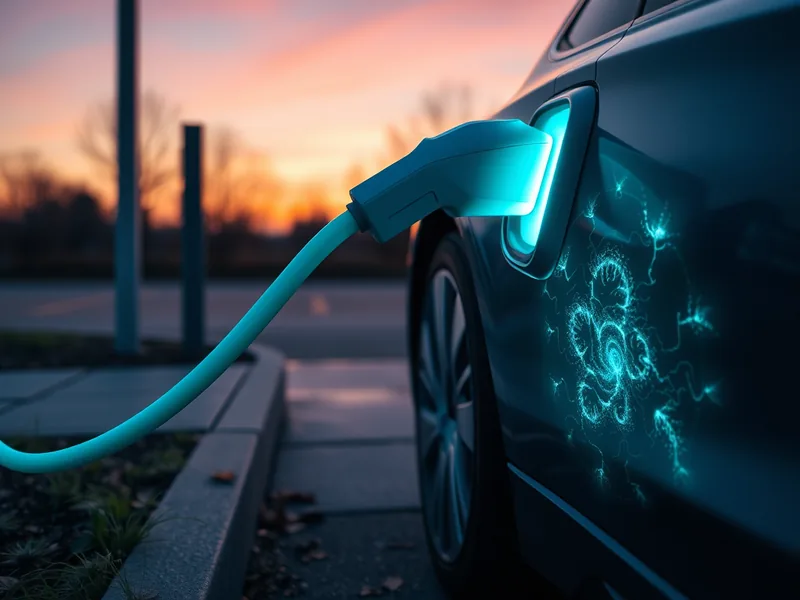
Smart charging algorithms are being developed to optimize the charging process based on real-time data. These algorithms consider factors such as the current state of charge, driving patterns, and weather conditions to determine the most efficient charging schedule. For example, if you have a long drive planned for the next day, the algorithm might recommend a slightly longer charging session the night before to ensure your vehicle is fully charged when needed.
The integration of renewable energy sources with smart charging systems further enhances sustainability. Solar panels and wind turbines can generate electricity that is stored in EV batteries during off-peak hours. This not only reduces reliance on fossil fuels but also provides a more consistent and reliable source of power for the grid.
Adopting smarter charging practices is crucial for both individual users and the broader community. For drivers, it means extended battery life, reduced maintenance costs, and lower electricity bills. On a larger scale, these strategies contribute to a more sustainable energy ecosystem by reducing carbon emissions, minimizing strain on the grid, and promoting the use of renewable energy.
As EV adoption continues to grow, the importance of efficient and sustainable charging practices cannot be overstated. By making informed choices about how and when we charge our vehicles, we can ensure that the transition to electric mobility is not only environmentally beneficial but also economically viable for everyone involved.
Tags
Original Sources
Smart EV Charger Learns Your Battery’s Age to Let It Live Longer
↗ https://spectrum.ieee.org/ev-charging-strategy
About the author
Amara's entry point into AI was an epidemiology role at a London research hospital, where she spent five years studying how digital health tools reached — or conspicuously failed to reach — underserved communities. Watching early algorithmic systems in healthcare quietly entrench existing inequalities, she redirected her career toward the systemic consequences of AI at scale. She covers AI through an unflinching lens: who benefits, who bears the cost, and what evidence actually says versus what the press release claims. Her writing is calm and precise, but she doesn't mistake balance for neutrality.
More from The Steward →This Week's Edition
23 June 2026
25 articles
Related Articles
Related Articles
More Stories
© 2026 Cedar & Bloom. All rights reserved.