The Drum · Weekly AI news, freeSubscribe →
Share
Two British teens created an AI-powered app called OraScreen that detects early signs of mouth cancer, earning their school a $50,000 prize and potentially revolutionizing oral health diagnostics.
In a world where technology is increasingly intertwined with healthcare, two British teens have made a significant breakthrough that could change the way mouth cancer is diagnosed. Jazmin Coverdale and Rebecca Riall, both 17, have developed an app called "OraScreen" that can detect early signs of mouth cancer using artificial intelligence (AI). Their innovation not only has the potential to save lives but also earned their school a substantial $50,000 prize.
Mouth cancer is a serious and often deadly disease. According to the World Health Organization (WHO), over 300,000 new cases of mouth cancer are diagnosed each year, with a high mortality rate due to late detection. Early diagnosis can significantly improve survival rates, as it allows for more effective treatment options. However, many people do not realize they have mouth cancer until the symptoms become severe and the disease has progressed.
This is where OraScreen comes in. The app uses AI to analyze images of a person's mouth and detect early signs of abnormalities that could indicate cancer. By making this technology accessible on mobile devices, Jazmin and Rebecca are empowering individuals to take control of their health and seek medical attention sooner rather than later.
The concept behind OraScreen is straightforward yet powerful. Users can take a picture of the inside of their mouth using their smartphone camera. The app then processes this image through an AI algorithm that has been trained to recognize patterns and anomalies associated with early-stage mouth cancer. If the app detects any suspicious areas, it provides guidance on what steps to take next, including recommendations for further medical evaluation.
One of the key benefits of OraScreen is its accessibility. Unlike traditional diagnostic methods, which often require specialized equipment and healthcare professionals, this app can be used by anyone with a smartphone. This makes it particularly valuable in underserved communities where access to medical care may be limited.
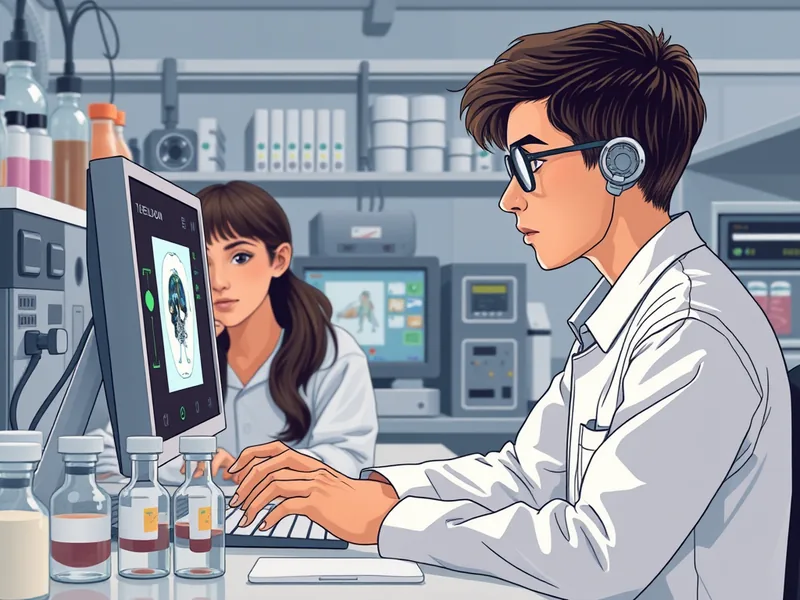
Jazmin and Rebecca's journey began when they learned about the high mortality rates associated with late-stage mouth cancer. They were motivated to find a solution that could help detect the disease earlier, improving patient outcomes. With guidance from their school’s science department and support from local healthcare professionals, they embarked on a year-long project to develop OraScreen.
The teens faced numerous challenges along the way, including data collection, algorithm training, and user interface design. However, their persistence paid off when OraScreen was recognized in a national competition for young innovators. The app’s potential to make a real difference in public health earned it the top prize of $50,000, which will be used to further develop and distribute the technology.
The success of OraScreen is just the beginning. Jazmin and Rebecca are already working on improvements to make the app even more accurate and user-friendly. They also plan to expand its capabilities to detect other types of oral health issues, such as gum disease and tooth decay.
Moreover, their innovation has sparked interest from healthcare professionals and tech companies alike. There is potential for OraScreen to be integrated into existing telehealth platforms, making it a valuable tool for remote patient monitoring and early intervention.
The story of Jazmin Coverdale and Rebecca Riall is a testament to the power of youth innovation and the positive impact that technology can have on public health. By developing OraScreen, they are not only addressing a critical need but also setting an example for future generations of young scientists and engineers.
As we continue to navigate the complexities of healthcare in the digital age, it is reassuring to know that bright minds like Jazmin and Rebecca are at the forefront, working to make a difference one app at a time.
Tags
Original Sources
About the author
Amara's entry point into AI was an epidemiology role at a London research hospital, where she spent five years studying how digital health tools reached — or conspicuously failed to reach — underserved communities. Watching early algorithmic systems in healthcare quietly entrench existing inequalities, she redirected her career toward the systemic consequences of AI at scale. She covers AI through an unflinching lens: who benefits, who bears the cost, and what evidence actually says versus what the press release claims. Her writing is calm and precise, but she doesn't mistake balance for neutrality.
More from The Steward →This Week's Edition
29 April 2026
29 articles
Related Articles
Related Articles
More Stories
© 2026 Cedar & Bloom. All rights reserved.