The Drum · Weekly AI news, freeSubscribe →

Share
As telemedicine and AI reshape healthcare access, patients benefit from smarter, more convenient services but must also grapple with concerns over privacy and the digital divide.
The rapid advancement of artificial intelligence (AI) and telemedicine is transforming how we access healthcare. For many, these technologies offer a lifeline, making it easier to connect with medical professionals, manage chronic conditions, and even participate in clinical trials. However, the integration of AI into healthcare also raises important questions about privacy, equity, and the quality of care.
Imagine a world where you can schedule a doctor's appointment from your smartphone, receive personalized health advice based on your genetic profile, and monitor your vital signs remotely. This is not just a futuristic dream; it's becoming a reality thanks to telemedicine and AI. These tools are particularly crucial for patients in rural areas or those with mobility issues who might otherwise struggle to access healthcare.
Telemedicine platforms allow patients to consult doctors through video calls, phone conversations, or even text messages. This can be especially beneficial for follow-up appointments, mental health counseling, and chronic disease management. For instance, a study published in the Journal of Medical Internet Research found that telemedicine reduced hospital readmissions by 34% among patients with heart failure.
AI, on the other hand, is revolutionizing the way we diagnose and treat diseases. Machine learning algorithms can analyze vast amounts of medical data to identify patterns and predict outcomes. For example, an AI system developed by Google Health can detect breast cancer in mammograms with greater accuracy than human radiologists. This not only improves diagnostic precision but also helps catch diseases earlier when they are more treatable.
One significant development in this space is the rise of direct booking systems. These platforms allow patients to schedule appointments directly with healthcare providers without going through a middleman, such as a call center or receptionist. This streamlines the process, making it faster and more convenient for both patients and providers.
Direct booking is particularly useful in telemedicine settings. Patients can quickly find available slots, book an appointment, and receive reminders via their preferred communication channels. For healthcare providers, this reduces administrative burdens and allows them to focus more on patient care.
The integration of AI into direct booking systems further enhances the user experience. AI chatbots can assist patients with scheduling, answer common questions, and even provide basic health advice. This not only improves patient satisfaction but also ensures that appointments are used efficiently.
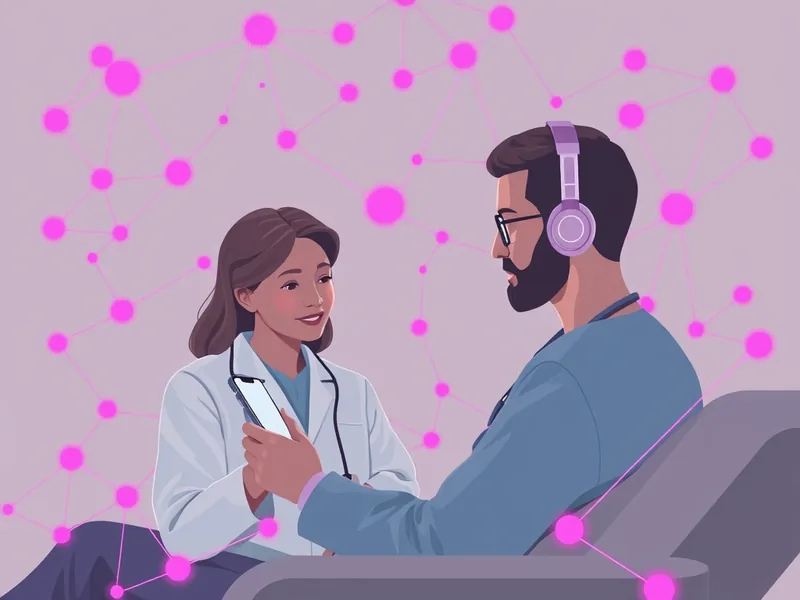
However, the benefits of telemedicine and AI come with challenges. Privacy concerns loom large as more personal health data is collected and analyzed. Patients must trust that their information will be handled securely and not misused. There is a risk of widening health disparities if these technologies are not accessible to everyone, particularly those in low-income communities or areas with poor internet connectivity.
As telemedicine and AI continue to evolve, several key issues will need careful attention:
Equity and Access: Ensuring that all patients, regardless of their socioeconomic status or geographic location, have access to these technologies is crucial. Policymakers and healthcare providers must work together to bridge the digital divide.
Data Privacy and Security: Robust measures are needed to protect patient data from breaches and misuse. This includes strong encryption, transparent privacy policies, and clear guidelines on how data will be used and shared.
Regulation and Oversight: As AI becomes more integrated into healthcare, there is a need for clear regulations to ensure that these technologies are safe and effective. This involves rigorous testing and continuous monitoring of AI systems to prevent errors and biases.
Training and Education: Healthcare providers must be trained to effectively use telemedicine and AI tools. Patients also need education on how to navigate these platforms and understand the benefits and limitations of virtual care.
The future of healthcare is being shaped by telemedicine and AI, offering exciting possibilities for improved patient outcomes and more efficient care delivery. By addressing the challenges head-on, we can ensure that these technologies serve the needs of all patients, not just a privileged few.
Tags
Original Sources
AP with direct booking Coverage - MedCity News
↗ https://medcitynews.com/tag/ap-with-direct-booking
About the author
Amara's entry point into AI was an epidemiology role at a London research hospital, where she spent five years studying how digital health tools reached — or conspicuously failed to reach — underserved communities. Watching early algorithmic systems in healthcare quietly entrench existing inequalities, she redirected her career toward the systemic consequences of AI at scale. She covers AI through an unflinching lens: who benefits, who bears the cost, and what evidence actually says versus what the press release claims. Her writing is calm and precise, but she doesn't mistake balance for neutrality.
More from The Steward →This Week's Edition
14 May 2026
29 articles
Related Articles
Related Articles
More Stories
© 2026 Cedar & Bloom. All rights reserved.