The Drum · Weekly AI news, freeSubscribe →

Share
As buildings and vehicles increasingly rely on glass, understanding its environmental impact becomes crucial for sustainable development.
The sleek windows that adorn modern skyscrapers and the windshields of electric cars are more than just aesthetic features; they are significant contributors to our carbon footprint. The production of plate glass, a material essential for both architectural and automotive industries, is energy-intensive and releases substantial amounts of greenhouse gases. As we strive for sustainability, it’s critical to examine how this industry impacts the environment and what can be done to mitigate its effects.
Glass has been a cornerstone of human civilization for centuries, but its production process remains largely unchanged since the 1950s when the float glass method was introduced. In this process, molten glass is poured onto a bed of molten tin, creating a smooth, flat surface. While this technique has revolutionized glass manufacturing, it comes at a significant environmental cost.
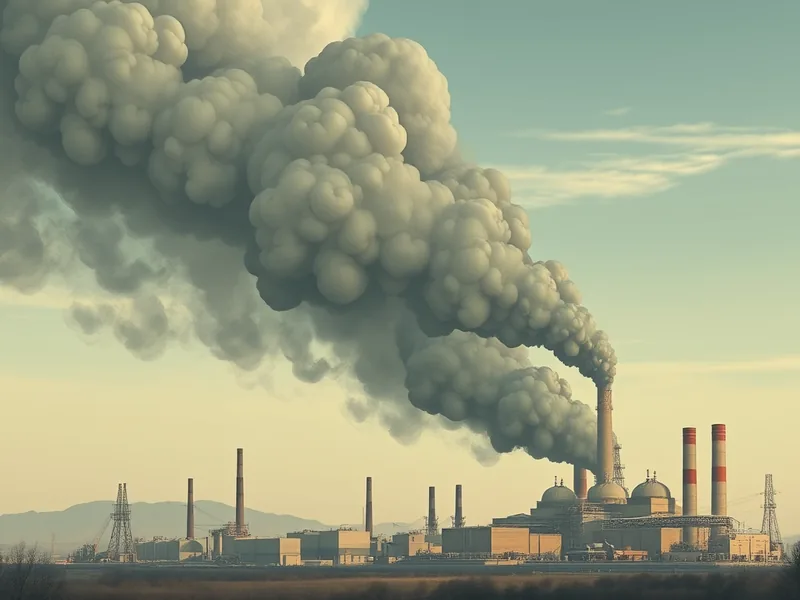
The primary energy source for melting glass is natural gas, which releases carbon dioxide (CO2) when burned. According to the International Energy Agency (IEA), the global glass industry accounts for approximately 1% of all CO2 emissions from industrial processes. This may seem small, but it translates to millions of tons of CO2 annually. The high temperatures required for melting and shaping glass-reaching up to 1,500 degrees Celsius-make the process particularly energy-intensive.
The environmental impact of plate glass production extends beyond carbon emissions. The extraction of raw materials like silica sand, limestone, and soda ash also has significant ecological consequences. Mining these materials can lead to habitat destruction, soil erosion, and water pollution. The transportation of raw materials and finished products contributes to further emissions.
One of the most pressing concerns is the energy efficiency of buildings. While glass allows for natural light and scenic views, it can also be a major source of heat loss in cold climates and heat gain in warm climates. This inefficiency leads to increased energy consumption for heating and cooling, which in turn results in higher greenhouse gas emissions.
However, there are promising developments in the industry aimed at reducing these impacts. For instance, some manufacturers are exploring the use of renewable energy sources like solar power to fuel their production processes. Others are investing in more efficient furnace designs that reduce energy consumption and emissions. These innovations not only benefit the environment but also have the potential to lower operational costs for manufacturers.
As awareness of the environmental impact of plate glass grows, there is a growing push for regulatory changes and industry standards. The European Union, for example, has set stringent targets for reducing industrial emissions, which could drive further innovation in glass manufacturing. Similarly, consumer demand for sustainable products is on the rise, putting pressure on manufacturers to adopt greener practices.
For consumers and policymakers alike, understanding the full lifecycle of materials like plate glass is essential. This includes not only production but also use and disposal. Recycling glass can significantly reduce its environmental impact, as recycled glass requires less energy to melt than raw materials. However, recycling rates vary widely across different regions, and improving these rates will be crucial for achieving sustainability goals.
In the coming years, we can expect to see more research into alternative materials and processes that could replace traditional plate glass. For example, scientists are exploring the use of bio-based materials and novel manufacturing techniques that could reduce energy consumption and emissions. These advancements, combined with policy changes and consumer awareness, offer a path toward a more sustainable future for the glass industry.
The journey to sustainability is complex and multifaceted, but it begins with recognizing the hidden costs of the materials we rely on every day. By taking a holistic approach to environmental stewardship, we can ensure that our buildings and vehicles are not only functional and beautiful but also responsible stewards of the planet.
Tags
Original Sources
The Stunning Carbon Footprint of Plate Glass
↗ https://spectrum.ieee.org/float-glass/particle-4
About the author
Amara's entry point into AI was an epidemiology role at a London research hospital, where she spent five years studying how digital health tools reached — or conspicuously failed to reach — underserved communities. Watching early algorithmic systems in healthcare quietly entrench existing inequalities, she redirected her career toward the systemic consequences of AI at scale. She covers AI through an unflinching lens: who benefits, who bears the cost, and what evidence actually says versus what the press release claims. Her writing is calm and precise, but she doesn't mistake balance for neutrality.
More from The Steward →This Week's Edition
31 August 2026
17 articles
Related Articles
Related Articles
More Stories
© 2026 Cedar & Bloom. All rights reserved.