The Drum · Weekly AI news, freeSubscribe →
Share
From reducing anxiety to boosting empathy and community spirit, positive news stories are proving to be powerful tools in enhancing mental health and social cohesion.
In a world where news headlines often focus on conflict, disaster, and tragedy, it's easy to feel overwhelmed and disheartened. However, a growing body of research suggests that positive news can have a profound impact on mental health and community wellbeing. By sharing uplifting stories and highlighting acts of kindness, platforms like the Good News Network are not only brightening people’s days but also fostering stronger, more resilient communities.
Positive news is more than just a feel-good moment; it can have tangible benefits for mental health. Studies show that consuming positive news can reduce stress levels and increase feelings of hope and optimism. For example, a study published in the Journal of Positive Psychology found that people who read positive news experienced higher levels of happiness and lower levels of anxiety compared to those who consumed negative news.
This is particularly important in today’s fast-paced, often stressful environment. When we are bombarded with negative information, it can lead to feelings of helplessness and disconnection. Positive news, on the other hand, can serve as a mental reset, reminding us that good things are happening and that there are reasons to be hopeful.
Positive news also plays a crucial role in building social connections. When people share uplifting stories, it creates a sense of community and shared purpose. This is particularly evident on platforms like the Good News Network, where users can engage with a wide range of positive content and connect with others who are looking for a dose of positivity.
For instance, the Good News Network features categories such as "Heroes," "Kids," and "Self-Help" that highlight acts of kindness and personal growth. These stories not only inspire individuals but also encourage them to pay it forward, fostering a ripple effect of positive actions within their communities.
The field of positive psychology provides a scientific foundation for the benefits of positive news. Positive psychology focuses on understanding what makes life worth living, rather than just treating mental illness. It emphasizes strengths and virtues that enable individuals and communities to thrive.
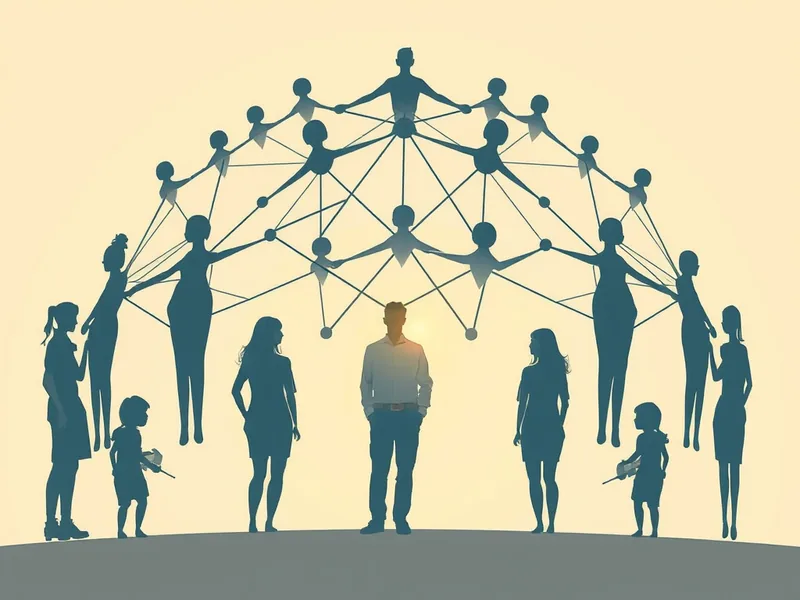
One key concept in positive psychology is the "broaden-and-build" theory, which suggests that positive emotions broaden our thinking and build our resources over time. When we experience positive emotions like joy, gratitude, or contentment, we are more likely to think creatively, form new relationships, and take on new challenges.
The long-term consequences of consuming positive news can be significant. By fostering a culture of positivity, we can create healthier, more resilient individuals and communities. This is especially important in the context of mental health, where positive interventions have been shown to reduce symptoms of depression and anxiety.
Moreover, positive news can play a role in public health by promoting healthy behaviors and encouraging community involvement. For example, stories about people making lifestyle changes or engaging in community service can inspire others to do the same, leading to broader societal benefits.
If you’re inspired by the power of positive news, there are several ways to get involved. The Good News Network offers a variety of opportunities for engagement:
In a world that often feels dark and uncertain, positive news serves as a beacon of hope. By consuming and sharing uplifting stories, we can improve our mental health, strengthen our communities, and create a more positive future for all. So the next time you come across a good news story, take a moment to reflect on its impact and consider how you can spread positivity in your own life.
Tags
Original Sources
↗ https://www.goodnewsnetwork.org/contribute/give-gift-good-news
About the author
Amara's entry point into AI was an epidemiology role at a London research hospital, where she spent five years studying how digital health tools reached — or conspicuously failed to reach — underserved communities. Watching early algorithmic systems in healthcare quietly entrench existing inequalities, she redirected her career toward the systemic consequences of AI at scale. She covers AI through an unflinching lens: who benefits, who bears the cost, and what evidence actually says versus what the press release claims. Her writing is calm and precise, but she doesn't mistake balance for neutrality.
More from The Steward →This Week's Edition
29 April 2026
29 articles
Related Articles
Related Articles
More Stories
© 2026 Cedar & Bloom. All rights reserved.