The Drum · Weekly AI news, freeSubscribe →
Share
Triage nurses rely on an intuitive understanding built from years of experience to discern when subtle signs indicate a serious medical issue, offering lifesaving guidance in critical moments.
It’s 2 a.m. A mother calls into a nurse triage line, her voice laced with fear and fatigue. Her baby isn’t screaming or showing obvious symptoms. She just keeps repeating, “something’s wrong.” The nurse on the other end of the line doesn’t need to hear more. Years of experience have honed their ability to sense when something is truly amiss.
This is Nurses Week, a time to recognize the tireless efforts and sacrifices of nurses everywhere. But let’s also shine a light on a unique skill set that often goes unnoticed: the clinical sixth sense of triage nurses. These professionals can detect subtle signs of distress over the phone, shaping patient outcomes in ways that metrics and protocols alone cannot.
In the emergency department, nurses are trained to perform what’s known as a doorway assessment. As they approach a room, they quickly evaluate the patient's color, posture, breathing pattern, and eye contact-all within seconds. This initial read can be crucial for prioritizing care and making split-second decisions.
Telephonic nurse triage strips away these visual cues, but it doesn’t diminish the nurse’s ability to assess the situation. The first few seconds of a call are just as critical. Triage nurses listen intently to how quickly the patient responds, whether they hesitate, if there's a tremor in their voice, or if they struggle for breath between words. These subtle signs can reveal more than any symptom checklist.
For example, consider a chest pain patient who calls at 11 p.m., saying, “It’s probably just indigestion, but tonight feels different.” A call center representative might categorize this as a gastrointestinal issue based on the symptoms alone. But an experienced triage nurse hears the pause and understands the underlying anxiety. They know that this could be a sign of something more serious.
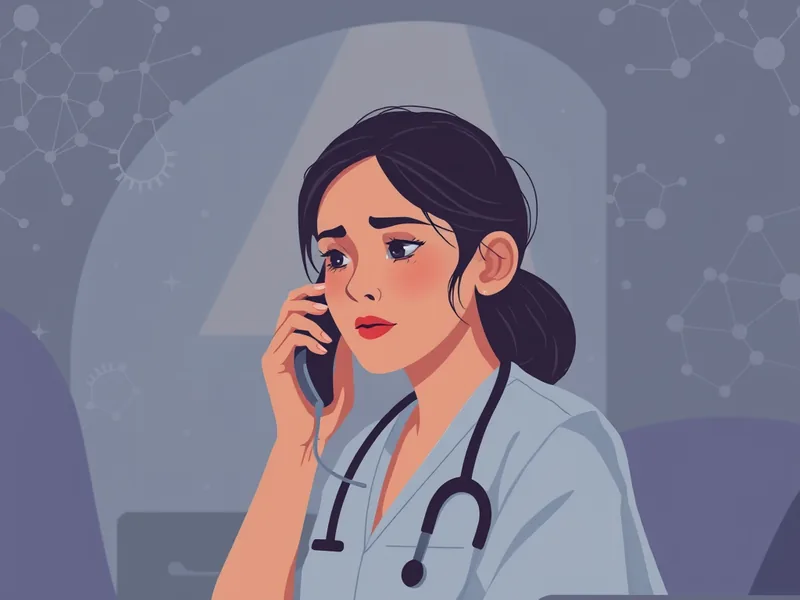
The ability to discern these subtle cues is particularly vital in telehealth, where visual assessments are limited. Triage nurses with emergency experience can make life-saving decisions based on what they hear rather than just what they see. This skill is not only about medical expertise but also about empathy and the human touch.
In a healthcare system increasingly driven by metrics and efficiency, it’s easy to overlook the value of these nuanced assessments. Call centers that prioritize call throughput may miss critical signs of distress. A patient who needs immediate attention might be dismissed as a routine case if the focus is solely on processing calls quickly.
The mother of twins I once spoke with illustrates this point perfectly. Her children had been inconsolable for hours, and she was exhausted and scared. While their condition was manageable, her emotional state was at its limit. By listening to her voice and understanding her fatigue, I was able to provide the support she needed, ensuring both her well-being and that of her children.
As we celebrate Nurses Week, let’s remember the unsung heroes who work tirelessly behind the scenes, using their clinical sixth sense to make a difference in people's lives. Their ability to hear what others might miss is a testament to the power of human connection in healthcare.
Tags
Original Sources
Listen Closer: What Triage Nurses Hear That Others Miss - MedCity News
↗ https://medcitynews.com/2026/05/listen-closer-what-triage-nurses-hear-that-others-miss
About the author
Amara's entry point into AI was an epidemiology role at a London research hospital, where she spent five years studying how digital health tools reached — or conspicuously failed to reach — underserved communities. Watching early algorithmic systems in healthcare quietly entrench existing inequalities, she redirected her career toward the systemic consequences of AI at scale. She covers AI through an unflinching lens: who benefits, who bears the cost, and what evidence actually says versus what the press release claims. Her writing is calm and precise, but she doesn't mistake balance for neutrality.
More from The Steward →This Week's Edition
14 May 2026
29 articles
Related Articles
Related Articles
More Stories
© 2026 Cedar & Bloom. All rights reserved.