The Drum · Weekly AI news, freeSubscribe →

Share
Once hailed as a cure-all, the violet ray machine offers a fascinating look at how early 20th-century inventors harnessed electricity for medical purposes.
In the early 1900s, a curious device known as the violet ray machine captured the imagination of both practitioners and patients. This electric marvel promised to alleviate everything from minor aches to serious ailments, all through the power of high-frequency electrical currents. While it may seem like a relic of a bygone era, the story of the violet ray machine provides valuable insights into the history of electromedicine and the human quest for healing.
The violet ray machine was developed in the late 1800s and gained widespread popularity during the early 20th century. It consisted of a handheld electrode connected to a transformer that generated high-frequency currents, producing a distinctive purple glow when activated. The device was marketed as a versatile treatment tool, capable of addressing a wide range of conditions, from neuralgia and rheumatism to insomnia and even depression.
The allure of the violet ray machine lay in its perceived ability to stimulate the body's natural healing processes. Proponents claimed that the high-frequency currents could improve circulation, reduce inflammation, and enhance overall well-being. The device was often used in conjunction with glass electrodes designed to deliver the current directly to specific areas of the body.
Despite the lack of rigorous scientific evidence, many people found relief using the violet ray machine. This anecdotal success contributed to its popularity and helped it gain a foothold in both professional medical practices and home remedies. The device was even featured in medical journals and textbooks of the time, further legitimizing its use among healthcare providers.
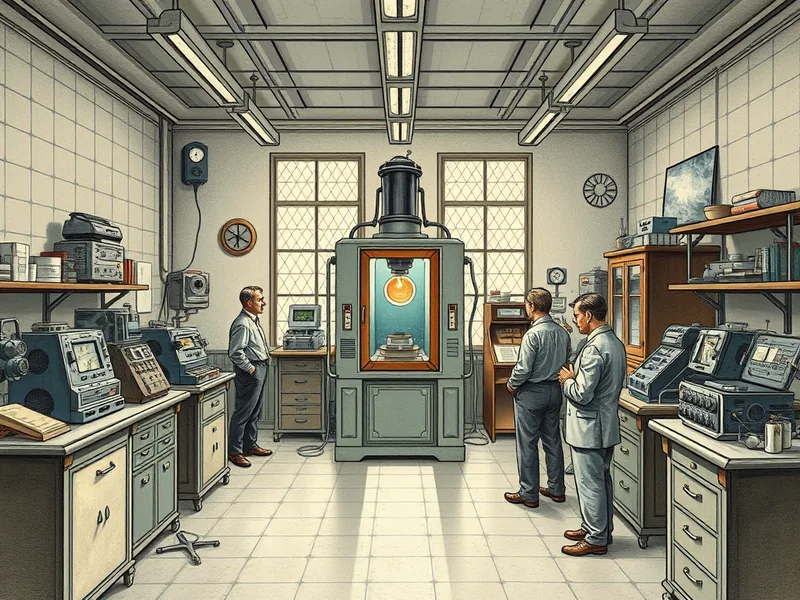
However, as the 20th century progressed, scientific advancements began to cast doubt on the efficacy of the violet ray machine. Research showed that while high-frequency currents could produce short-term effects like increased blood flow, they did not provide long-lasting therapeutic benefits for most conditions. The rise of more evidence-based medical treatments gradually pushed the violet ray machine to the sidelines.
The story of the violet ray machine is a cautionary tale about the intersection of innovation and human hope. It highlights how technological advancements can sometimes outpace scientific understanding, leading to the widespread adoption of therapies that may not be as effective as initially believed. This history serves as a reminder of the importance of rigorous research and evidence-based practices in healthcare.
Today, the principles behind the violet ray machine have evolved into more sophisticated forms of electromedicine. Modern devices like transcutaneous electrical nerve stimulation (TENS) units and electromagnetic therapy systems continue to explore the therapeutic potential of electricity. These advancements are built on a foundation of scientific inquiry and clinical trials, ensuring that they provide real benefits to patients.
The legacy of the violet ray machine also underscores the enduring human desire for effective treatments and the role of technology in shaping medical practices. As we continue to innovate and develop new therapies, it is crucial to balance enthusiasm with critical evaluation, ensuring that our healthcare solutions are both safe and effective.
Tags
Original Sources
The Curious Life of the Electric Purple Snake-Oil Machine
↗ https://spectrum.ieee.org/violet-ray/particle-1
About the author
Amara's entry point into AI was an epidemiology role at a London research hospital, where she spent five years studying how digital health tools reached — or conspicuously failed to reach — underserved communities. Watching early algorithmic systems in healthcare quietly entrench existing inequalities, she redirected her career toward the systemic consequences of AI at scale. She covers AI through an unflinching lens: who benefits, who bears the cost, and what evidence actually says versus what the press release claims. Her writing is calm and precise, but she doesn't mistake balance for neutrality.
More from The Steward →This Week's Edition
22 May 2026
29 articles
Related Articles

Iambic Therapeutics Raises $150 Million in IPO to Fund AI-Designed Cancer Drugs
Finance & Markets · 5 min

Biotech's Summer Glow Fades as XBI Slips 11% From August Highs
Finance & Markets · 5 min

States Race to Write the Rules for AI Sandboxes in Health Care, and Lobbyists Are Racing Right Alongside Them
Policy & Regulation · 5 min
Related Articles
Iambic Therapeutics Raises $150 Million in IPO to Fund AI-Designed Cancer Drugs
Finance & Markets · 5 min
Biotech's Summer Glow Fades as XBI Slips 11% From August Highs
Finance & Markets · 5 min
States Race to Write the Rules for AI Sandboxes in Health Care, and Lobbyists Are Racing Right Alongside Them
Policy & Regulation · 5 min
More Stories
© 2026 Cedar & Bloom. All rights reserved.
