The Drum · Weekly AI news, freeSubscribe →

Share
As reliance on digital health resources grows, so does the risk of encountering inaccurate or misleading advice, underscoring the need for discerning online navigation and trusted medical information sources.
When a health concern arises, most people don't immediately call their doctor. Instead, they turn to search engines, social media, and AI-powered tools like symptom checkers. In 2024 alone, the usage of these digital health resources surged by 134.3%. This trend highlights both the convenience and the potential pitfalls of seeking medical advice online.
The accuracy of online health information can vary widely, making it crucial for consumers to know where to turn for reliable guidance. Trustworthy sources are essential in an era when misinformation can spread as quickly as a virus. Organizations across the healthcare spectrum-from pharmaceutical companies to providers and payers-are grappling with how to provide credible patient education at scale.
One of the primary challenges is ensuring that the information available online is accurate and evidence-based. While AI-powered tools can offer quick answers, they are only as good as the data they are trained on. Misinformation can lead to incorrect self-diagnoses, delayed medical care, and even harmful treatments.
For healthcare organizations, this means investing in high-quality content that can be trusted by patients. Licensing trusted, evidence-based content from reputable sources like Harvard Health Publishing is one solution. This approach helps communications and marketing teams deliver patient-centered education that strengthens trust and improves health literacy.
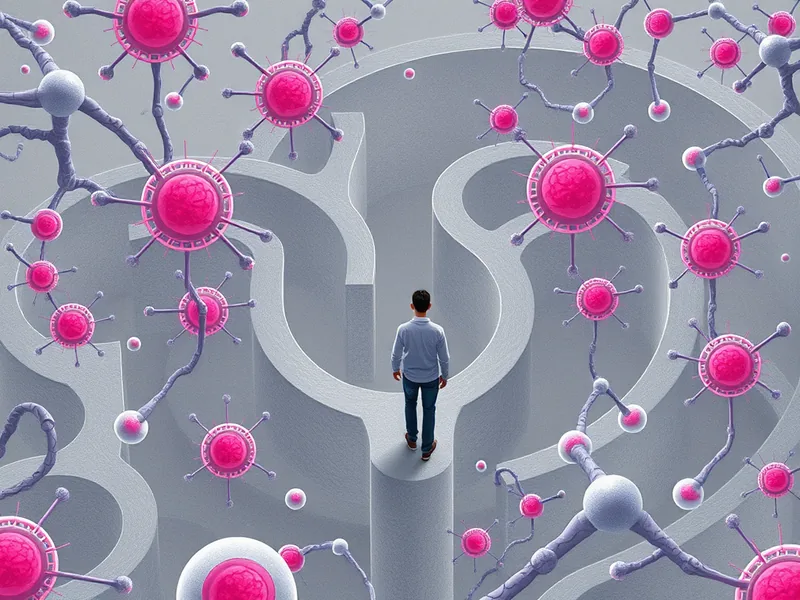
Another challenge is reaching a broad audience. Online health resources must be accessible to people of all ages and backgrounds. This requires not only accurate information but also clear, concise language that avoids jargon and technical terms. Patient education materials should be designed with the user in mind, making it easy for individuals to understand and act on the information they find.
The stakes are high when it comes to health information. Misinformation can have serious consequences, from patients delaying necessary medical care to following harmful advice that worsens their condition. By providing credible, patient-centered education, healthcare organizations can help mitigate these risks and improve overall public health outcomes.
Building trust with patients is essential for long-term success. When patients feel confident in the information they receive, they are more likely to engage with their healthcare providers, follow treatment plans, and make informed decisions about their health. This not only benefits individual patients but also contributes to a healthier population overall.
In an increasingly digital world, the responsibility to provide accurate and trustworthy health information falls on all stakeholders. By working together to ensure that reliable resources are available and accessible, we can help people navigate the complex landscape of online health information and make informed choices for their well-being.
Tags
Original Sources
Content that Connects: Building Patient Trust Through Credible Health Information, Free Harvard Health Publishing White Paper
↗ https://fh-resources.fiercehealthcare.com/free/w_defa9864?ch=HC-WP-HarvardHealthPublishing-120325-listing
About the author
Amara's entry point into AI was an epidemiology role at a London research hospital, where she spent five years studying how digital health tools reached — or conspicuously failed to reach — underserved communities. Watching early algorithmic systems in healthcare quietly entrench existing inequalities, she redirected her career toward the systemic consequences of AI at scale. She covers AI through an unflinching lens: who benefits, who bears the cost, and what evidence actually says versus what the press release claims. Her writing is calm and precise, but she doesn't mistake balance for neutrality.
More from The Steward →This Week's Edition
14 May 2026
29 articles
Related Articles
Related Articles
More Stories
© 2026 Cedar & Bloom. All rights reserved.