The Drum · Weekly AI news, freeSubscribe →
Share
Scientists意外发现数百种未知的“暗蛋白”,这些微型蛋白质可能开启癌症免疫治疗的新篇章,为疾病研究带来革命性突破。
In 2019, Sebastiaan van Heesch, a systems biologist, embarked on a journey to unravel the mysteries of heart failure. His team used a cutting-edge technique called "ribosome profiling" to analyze protein production in frozen hearts donated by 80 individuals, many of whom had succumbed to end-stage heart failure. The goal was straightforward: identify what went wrong in these hearts. But the findings were anything but simple.
Van Heesch and his colleagues discovered something unexpected-hundreds of previously unknown mini-proteins, which they dubbed "dark proteins." These molecules, just a few dozen amino acids long, were being produced from parts of the genome that weren't supposed to code for proteins. Many of these dark proteins were found in the mitochondria, suggesting they might play a crucial role in energy production and heart function.
The discovery of dark proteins opened up a new realm of biological exploration. Traditionally, scientists have focused on well-known genes that produce proteins with established functions. However, van Heesch's work revealed that the genome is far more complex and dynamic than previously thought. These newly identified mini-proteins could be key players in various cellular processes, including those related to disease.
The implications of this discovery extend beyond heart failure. Researchers are now exploring how dark proteins might influence other conditions, particularly cancer. Cancer immunotherapy, a treatment that harnesses the body's immune system to fight tumors, has shown promise but faces significant challenges. One major hurdle is identifying new targets for therapeutic interventions. Dark proteins could provide just that-novel targets that were previously hidden from view.
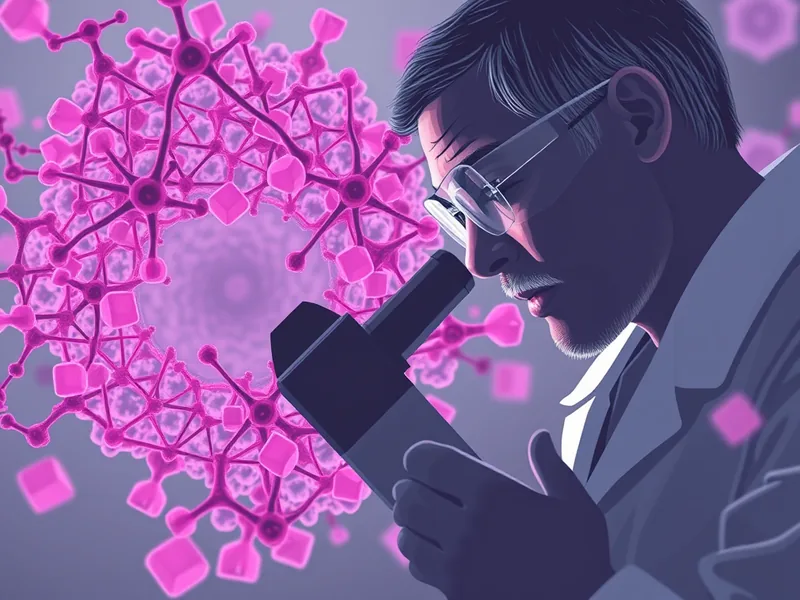
For instance, some dark proteins might be uniquely expressed in cancer cells but not in healthy tissues. If scientists can identify and target these specific molecules, they could develop more precise and effective immunotherapies with fewer side effects. This is particularly important as many current treatments can cause significant toxicity to normal cells, limiting their effectiveness.
The discovery of dark proteins represents a significant step forward in our understanding of human biology and disease. By uncovering these previously overlooked genetic elements, researchers are expanding the toolkit available for developing new treatments. For patients with conditions like heart failure and cancer, this could mean more targeted and effective therapies that improve quality of life and survival rates.
Moreover, the identification of dark proteins highlights the importance of continued investment in basic research. Many breakthroughs in medicine and science come from unexpected places, and the discovery of these mini-proteins is a testament to the value of exploring the unknown. As we continue to map out the complex landscape of the human proteome, we open up new avenues for innovation and progress.
The journey to fully understand and utilize dark proteins is just beginning. But with each step forward, we move closer to a future where more lives can be saved and improved through advanced medical treatments.
Tags
Original Sources
How a global effort to explore the 'dark proteome' is upending our understanding of human disease
↗ https://www.statnews.com/2026/05/06/dark-proteins-cancer-immunotherapy-targets-proteomics-news
About the author
Amara's entry point into AI was an epidemiology role at a London research hospital, where she spent five years studying how digital health tools reached — or conspicuously failed to reach — underserved communities. Watching early algorithmic systems in healthcare quietly entrench existing inequalities, she redirected her career toward the systemic consequences of AI at scale. She covers AI through an unflinching lens: who benefits, who bears the cost, and what evidence actually says versus what the press release claims. Her writing is calm and precise, but she doesn't mistake balance for neutrality.
More from The Steward →This Week's Edition
7 May 2026
29 articles
Related Articles
Related Articles
More Stories
© 2026 Cedar & Bloom. All rights reserved.