The Drum · Weekly AI news, freeSubscribe →

Share
Patient stories and real-world data shared online offer unique insights for pharma and public health, as detailed in a new white paper that explores how moderated discussions can reveal critical trends and sentiments.
In an era where patient experiences and real-world data are increasingly valued, user-generated content (UGC) is emerging as a powerful tool for pharmaceutical companies and public health researchers. A recent white paper by LiveWorld, titled "Turning UGC into Insight: The Untapped Value in Pharma Conversations," highlights how moderated online discussions can provide valuable insights into patient experiences, recurring questions, misinformation themes, and sentiment shifts.
The significance of these insights cannot be overstated. For pharmaceutical companies, understanding the patient journey from diagnosis to treatment can lead to more effective drug development and better patient outcomes. For public health researchers, UGC offers a window into the concerns and needs of communities, helping to shape policies and interventions that are more responsive and effective.
LiveWorld's research emphasizes the importance of moderation in transforming raw user-generated content into actionable insights. Moderation ensures that discussions remain respectful, relevant, and free from harmful misinformation. This process is crucial for maintaining the integrity and reliability of the data collected.
For example, by analyzing moderated conversations on social media platforms, pharmaceutical companies can identify common questions patients have about their medications. These questions might range from side effects to dosing instructions, providing valuable feedback that can be used to improve patient education materials and support services. Similarly, public health researchers can track sentiment shifts over time, such as changes in attitudes toward vaccines or mental health treatments, which can inform targeted awareness campaigns.
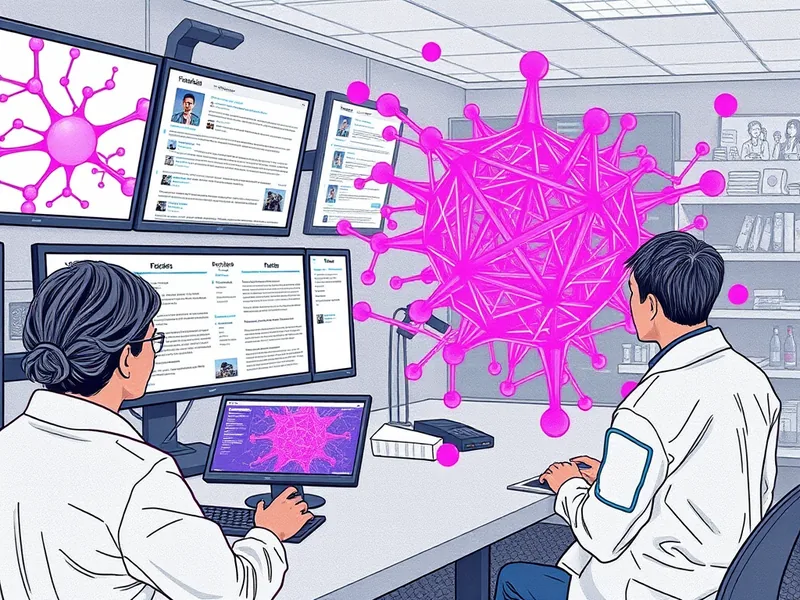
The white paper also highlights the role of UGC in identifying and addressing misinformation. In an age where false information can spread rapidly online, understanding the themes and sources of misinformation is critical. By monitoring these discussions, stakeholders can develop strategies to counteract harmful narratives and promote accurate, evidence-based information.
The potential impact of user-generated content on healthcare extends beyond just pharmaceutical companies and public health researchers. Patients themselves stand to benefit from more informed and responsive care. For instance, when patient insights are integrated into drug development processes, it can lead to treatments that better address the real-world needs and concerns of patients.
UGC can help bridge the gap between clinical research and everyday patient experiences. Clinical trials often provide a controlled environment that may not fully capture the complexities of how a treatment works in the real world. By supplementing trial data with insights from UGC, researchers can gain a more comprehensive understanding of a drug's effectiveness and safety.
User-generated content is more than just online chatter; it is a rich source of information that can drive meaningful improvements in healthcare. As the pharmaceutical industry and public health sector continue to explore the potential of UGC, we can expect to see more innovative approaches to patient engagement and data-driven decision-making.
Tags
Original Sources
About the author
Amara's entry point into AI was an epidemiology role at a London research hospital, where she spent five years studying how digital health tools reached — or conspicuously failed to reach — underserved communities. Watching early algorithmic systems in healthcare quietly entrench existing inequalities, she redirected her career toward the systemic consequences of AI at scale. She covers AI through an unflinching lens: who benefits, who bears the cost, and what evidence actually says versus what the press release claims. Her writing is calm and precise, but she doesn't mistake balance for neutrality.
More from The Steward →This Week's Edition
14 May 2026
29 articles
Related Articles
Related Articles
More Stories
© 2026 Cedar & Bloom. All rights reserved.