The Drum · Weekly AI news, freeSubscribe →

Share
xAI's new Grok Bot doesn't just chat, it signs into Zendesk, Salesforce, and your inbox to actually complete tasks. Here's what's under the hood, what it costs, and why the shared-computer architecture matters.
xAI just shipped Grok Bot, and the pitch is pretty direct: this isn't a chatbot you prompt, it's an agent you assign work to. You give it a task the way you'd brief a new hire, it logs into your actual tools (Zendesk, email, LinkedIn, whatever), does the work, and comes back when it needs your sign-off. The product launched alongside a dedicated announcement post and is available now for download on Linux, with macOS, Windows, and iOS access bundled into existing Grok subscription tiers.
The core idea is agentic persistence. Most AI assistants today are stateless in practice, you open a chat, give context, get an answer, and start over next time. Grok Bot is built to avoid that reset. You spawn a Bot, assign it a role (one on outbound, one on systems, one on a specific project), and it keeps working across sessions, keeping context on how you operate and reportedly getting "smarter over time." Multiple Bots can run in parallel, 24/7, even when your laptop is closed, because the work isn't happening on your machine. It's happening on a cloud computer the Bot controls.
That architecture detail is worth sitting with for a second, because it's the actual engineering story here, not just a UX wrapper on an LLM. Every Grok Bot shares one persistent cloud computer per user. That means your Bots share files, browser sessions, and logins, which is how they hand off work to each other without you re-authenticating anything. Isolation is scoped per user, not per Bot. If you've worked with multi-agent orchestration frameworks, this is a notable design choice: instead of sandboxing each agent separately, xAI is treating the Bot fleet as a single persistent workspace with multiple concurrent actors in it.
In practice, the demo flow breaks down into a few concrete capabilities:
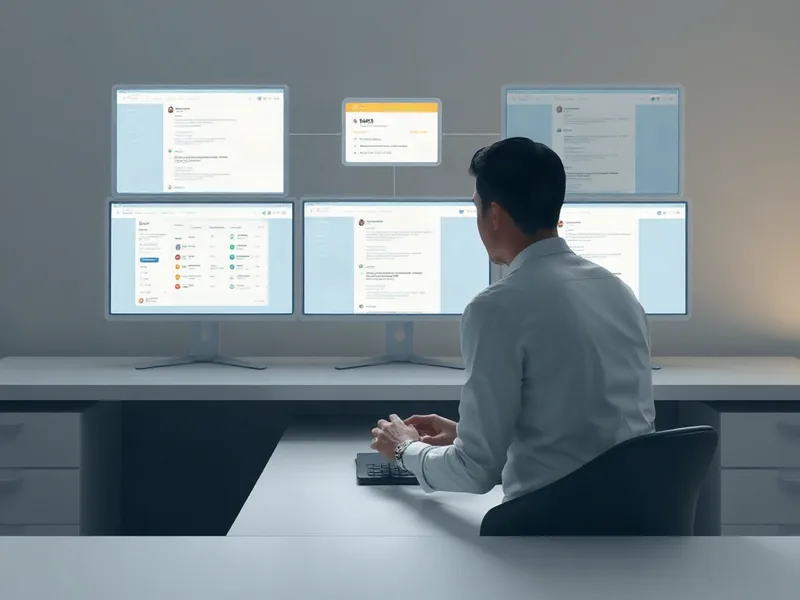
That last point is the guardrail that makes this sellable to a sales or ops team: drafts are held for review, and the Bot explicitly states "nothing goes out without me." In the example, a user approves 10 of the 36 queued emails, and the rest stay queued rather than firing automatically. For any team nervous about an autonomous agent hitting "send" on a customer-facing email, that review gate is the load-bearing feature, not the research or scoring.
On pricing, Grok Bot isn't a standalone product so much as a feature tier unlock. It's bundled into Premium ($30/month), Super ($100/month, which gets you 3.5x Premium's usage allowance and priority model access at peak times), and Ultra ($200/month, 12x Premium usage plus earliest access to new models and products). It's also included for Teams and Enterprise plans, and xAI says Enterprise access, including seats for people who don't already have one, requires contacting sales directly.
Security is the other piece worth flagging for anyone evaluating this for a real org. Grok Bot runs on the same SSO, auth, and privacy mode infrastructure as the rest of Cursor's stack (xAI's download links route through Cursor's API, suggesting some integration or partnership there). The cloud computer is encrypted in transit and at rest, with a training opt-out available. Sensitive actions can be routed through what xAI calls "Auto Review" before execution, and Enterprise admins get boot-time controls for DLP (data loss prevention), certificates, proxies, and network policy.
Grok Bot is xAI's bet that the next useful unit of AI product isn't a smarter chat window, it's a persistent agent with its own credentials, its own machine, and the ability to act inside existing tools rather than just reason about them. The shared-cloud-computer model is the most interesting technical choice here: it trades per-agent isolation for seamless context handoff between bots, which is a real tradeoff worth understanding before you hand one access to your CRM. The approval gating on outbound actions (nothing sent without explicit sign-off) is doing a lot of the trust-building work, and it's the detail that'll determine whether teams feel comfortable letting these things run unsupervised overnight. Whether "AI teammate" ends up being more than marketing language will depend on how well these routines generalize beyond the curated demo workflows xAI is showing off at launch.
Tags
Original Sources
About the author
Kai built ML infrastructure at a Bay Area startup before developing an obsession with transformer architectures and inference optimisation that eventually pulled him out of product work entirely. A stint at a compute research lab sharpened his instinct for what actually matters in a model release versus what is marketing. He writes from the inside — from the perspective of someone who has debugged the systems he is describing at three in the morning. He is allergic to hype and instinctively drawn to the unglamorous plumbing questions that everyone else skips over.
More from The Engineer →This Week's Edition
18 October 2026
24 articles
Related Articles

Robotics Experts Pour Cold Water on Tesla's Optimus Debut
Products & Applications · 5 min

Replit Swaps Anthropic for OpenAI as Default Model, Muddying a Lucrative Partnership
Products & Applications · 5 min

Tesla's Flying Roadster: Engineering Spectacle, Unclear Financial Payoff
Products & Applications · 5 min
Related Articles
Robotics Experts Pour Cold Water on Tesla's Optimus Debut
Products & Applications · 5 min
Replit Swaps Anthropic for OpenAI as Default Model, Muddying a Lucrative Partnership
Products & Applications · 5 min
Tesla's Flying Roadster: Engineering Spectacle, Unclear Financial Payoff
Products & Applications · 5 min
More Stories
© 2026 Cedar & Bloom. All rights reserved.
