The Drum · Weekly AI news, freeSubscribe →

Share
AI is helping track down hidden oil and gas wells, many forgotten for decades, to prevent environmental disasters and mitigate climate impacts from toxic leaks and methane emissions.
Undocumented orphaned oil and gas wells pose significant risks to both the environment and public health. These forgotten relics can leak toxic chemicals into water supplies and release methane, a potent greenhouse gas that accelerates climate change. To address this critical issue, researchers are leveraging modern technology, including artificial intelligence (AI), to locate and assess these hazardous sites.
Experts estimate that there are hundreds of thousands of oil and gas wells in the United States that are not formally documented or owned. These wells, often referred to as "orphaned" or "abandoned," can be found across various states, particularly in regions with a long history of drilling. The problem is especially pronounced in states like California and Oklahoma, where commercial drilling has been ongoing for nearly 170 years.
The risks associated with these undocumented wells are multifaceted. They can contaminate local water sources with harmful chemicals, posing health threats to nearby communities. Additionally, they can release methane, a greenhouse gas that is significantly more potent than carbon dioxide in terms of its warming effect. Methane emissions from orphaned wells contribute to climate change and exacerbate environmental degradation.
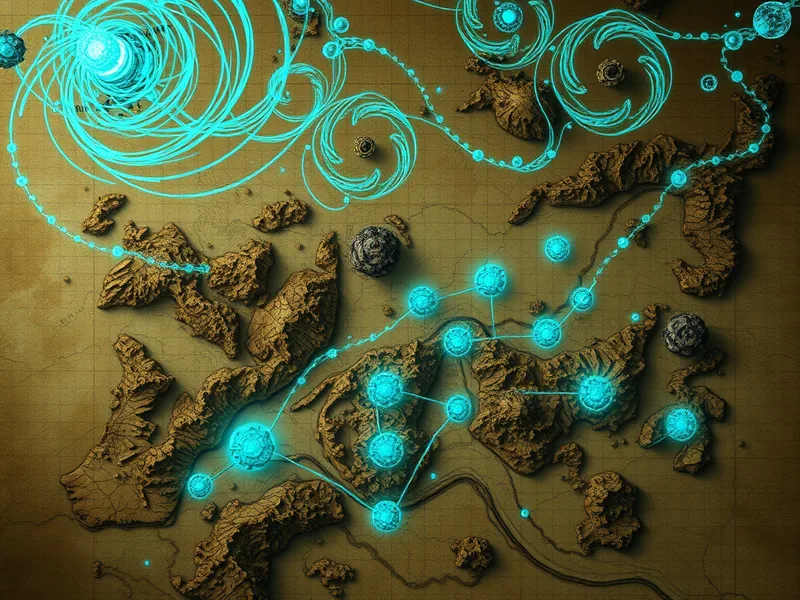
To tackle this issue, researchers are employing advanced AI techniques to sift through historical records and maps. A team from Lawrence Berkeley National Laboratory (Berkeley Lab) has developed an AI model that can analyze decades-old U.S. Geological Survey (USGS) maps to identify potential well locations. By cross-referencing these findings with state records, they have uncovered numerous wells that were previously unknown.
In a recent study, the researchers used AI to comb through 45 years of USGS maps in California and Oklahoma. Their efforts revealed oil and gas wells that were not listed in official state databases. This discovery is crucial because it provides a more comprehensive picture of where these hazardous sites are located, enabling better-targeted remediation efforts.
Identifying the locations of orphaned wells is just the first step. To fully understand the environmental impact, researchers must also quantify methane emissions from these sites. Experts from multiple national labs, including Berkeley Lab, are developing innovative methods to measure and monitor methane levels using drones and low-cost sensors.
Drones equipped with specialized sensors can fly over potential well sites, collecting data on methane concentrations in the air. This data is then analyzed to determine the extent of emissions and identify the highest-risk wells. Low-cost sensors can be deployed on the ground for continuous monitoring, providing real-time data that helps track changes over time.
With these advanced tools at their disposal, state governments and Native American tribes are better equipped to address the problem of orphaned wells. Programs can now more effectively identify, prioritize, and plug the highest-risk sites, reducing both environmental hazards and methane emissions.
For example, in California, a state with strict environmental regulations, officials can use AI-generated data to target areas where orphaned wells are most likely to be found. Similarly, Native American tribes, which often have significant land holdings with a history of drilling, can leverage these tools to protect their communities and natural resources.
The collaboration between AI technology and historical mapping is a promising step toward mitigating the environmental risks posed by undocumented oil and gas wells. By identifying and addressing these forgotten hazards, we can protect public health, preserve water quality, and combat climate change more effectively. As research continues to advance, the hope is that these efforts will lead to safer, cleaner environments for all.
Tags
Original Sources
About the author
Amara's entry point into AI was an epidemiology role at a London research hospital, where she spent five years studying how digital health tools reached — or conspicuously failed to reach — underserved communities. Watching early algorithmic systems in healthcare quietly entrench existing inequalities, she redirected her career toward the systemic consequences of AI at scale. She covers AI through an unflinching lens: who benefits, who bears the cost, and what evidence actually says versus what the press release claims. Her writing is calm and precise, but she doesn't mistake balance for neutrality.
More from The Steward →This Week's Edition
10 December 2024
29 articles
Related Articles

Nuclear Plants Are Squeezing Out More Power, But It Won't Be Enough to Meet AI's Demand
Environment & Climate · 5 min

The Hidden Environmental Price Tag of Artificial Intelligence
Environment & Climate · 5 min

Iambic Therapeutics Raises $150 Million in IPO to Fund AI-Designed Cancer Drugs
Finance & Markets · 5 min
Related Articles
Nuclear Plants Are Squeezing Out More Power, But It Won't Be Enough to Meet AI's Demand
Environment & Climate · 5 min
The Hidden Environmental Price Tag of Artificial Intelligence
Environment & Climate · 5 min
Iambic Therapeutics Raises $150 Million in IPO to Fund AI-Designed Cancer Drugs
Finance & Markets · 5 min
More Stories
© 2026 Cedar & Bloom. All rights reserved.
