The Drum · Weekly AI news, freeSubscribe →

Share
AI has unlocked a promising new drug that could defeat antibiotic-resistant superbugs like MRSA, offering hope in the battle against infections that once had doctors helpless and patients suffering.
In a significant breakthrough for public health, scientists have leveraged artificial intelligence (AI) to identify a new drug that could combat antibiotic-resistant infections such as MRSA. This development comes at a critical time when traditional antibiotics are increasingly failing to treat life-threatening conditions.
Antibiotic resistance is one of the most pressing global health challenges of our era. It occurs when bacteria evolve to become resistant to the drugs designed to kill them, rendering common treatments ineffective and leading to prolonged illnesses, higher healthcare costs, and even death. MRSA (Methicillin-resistant Staphylococcus aureus) is a particularly dangerous example, causing severe infections in hospitals and communities worldwide.
The new drug, named halicin, was discovered through an innovative approach that combines the power of AI with traditional laboratory research. Researchers at Harvard Medical School and the Massachusetts Institute of Technology (MIT) used a machine learning model to screen over 100 million chemical compounds for their ability to kill bacteria. This process, which would have taken years using conventional methods, was completed in just a few days thanks to AI.
To understand how this works, imagine you are trying to find a specific key in a vast collection of keys. Instead of manually testing each one, you use a smart device that can quickly analyze the shape and composition of each key, identifying those most likely to fit your lock. Similarly, the AI model rapidly analyzed chemical structures, predicting which compounds might be effective against bacteria.
Halicin was initially identified as having potential antibacterial properties. Further tests in both laboratory settings and animal models showed promising results. The drug effectively killed a variety of antibiotic-resistant bacteria, including MRSA, without causing significant side effects. Moreover, it demonstrated a low likelihood of resistance developing, which is crucial for long-term effectiveness.
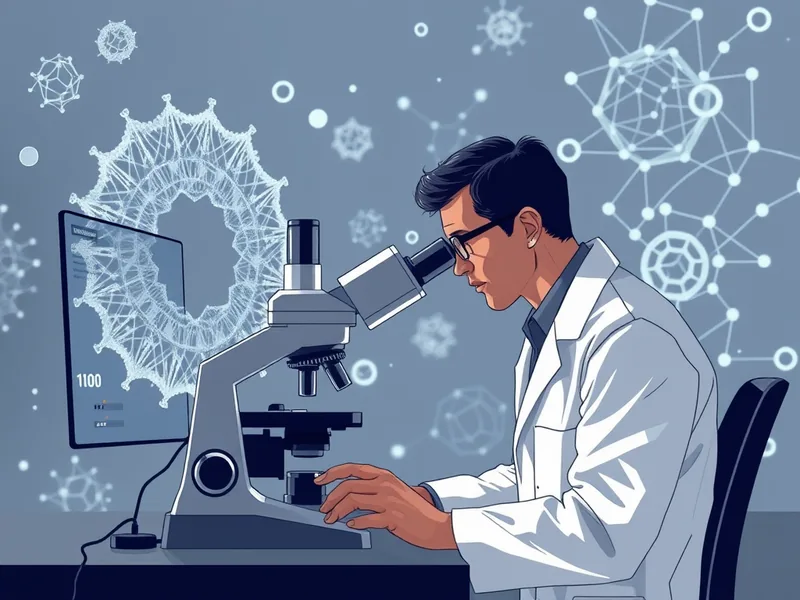
The discovery of halicin marks a new era in drug development, where AI plays a pivotal role in accelerating the identification of potential treatments. This approach not only saves time and resources but also opens up possibilities for finding drugs that might have been overlooked using traditional methods.
While halicin is still in the early stages of development, it represents a significant step forward in our fight against antibiotic-resistant infections. If further clinical trials prove successful, halicin could become an essential tool in hospitals and clinics around the world, helping to save lives and reduce the burden on healthcare systems.
The implications of this breakthrough extend beyond just MRSA. The AI-driven method used by the researchers can be applied to other areas of medicine, potentially leading to the discovery of new treatments for a wide range of diseases. This could revolutionize how we approach drug development, making it faster, more efficient, and more effective.
As we continue to face the growing threat of antibiotic resistance, innovations like this offer hope and a path forward. By harnessing the power of AI, scientists are not only finding new drugs but also paving the way for a healthier future.
Tags
Original Sources
About the author
Amara's entry point into AI was an epidemiology role at a London research hospital, where she spent five years studying how digital health tools reached — or conspicuously failed to reach — underserved communities. Watching early algorithmic systems in healthcare quietly entrench existing inequalities, she redirected her career toward the systemic consequences of AI at scale. She covers AI through an unflinching lens: who benefits, who bears the cost, and what evidence actually says versus what the press release claims. Her writing is calm and precise, but she doesn't mistake balance for neutrality.
More from The Steward →This Week's Edition
29 April 2026
24 articles
Related Articles
A Heart Without Friction: Maglev Technology Moves Into Cardiac Care
Health & Science · 6 min

How a Stubborn Hiss of Radio Noise Helped Confirm the Big Bang
Health & Science · 5 min
AI Can Predict Chemotherapy Response in Aggressive Breast Cancer, But Not Yet Reliably Enough for the Clinic
Health & Science · 5 min
Related Articles
A Heart Without Friction: Maglev Technology Moves Into Cardiac Care
Health & Science · 6 min
How a Stubborn Hiss of Radio Noise Helped Confirm the Big Bang
Health & Science · 5 min
AI Can Predict Chemotherapy Response in Aggressive Breast Cancer, But Not Yet Reliably Enough for the Clinic
Health & Science · 5 min
More Stories
© 2026 Cedar & Bloom. All rights reserved.
