The Drum · Weekly AI news, freeSubscribe →

Share
An advanced AI network is revolutionizing wildfire prevention in California by identifying 77 fires before any human notice, potentially saving countless lives and properties in the process.
California, a state known for its breathtaking landscapes and vibrant communities, faces an annual threat that can turn those idyllic scenes into scenes of devastation: wildfires. This year, however, an innovative network of artificial intelligence (AI) monitors has stepped up to the challenge, detecting 77 wildfires before any 911 calls were made.
The stakes are high when it comes to wildfire detection. Every minute counts in preventing a small brush fire from becoming a catastrophic blaze that can endanger lives and destroy homes. The AI network, which has been operational for the current fire season, is a significant step forward in early warning systems. By identifying fires at their earliest stages, this technology provides crucial time for firefighters to respond and contain the blazes.
The AI system uses a combination of satellite imagery, weather data, and ground sensors to monitor potential hotspots. When an anomaly is detected-such as a sudden temperature increase or smoke plume-the system alerts local authorities immediately. This rapid response can mean the difference between a manageable fire and a major disaster.
The effectiveness of this AI network has been evident in several instances where quick action prevented larger catastrophes. For example, a small fire was detected near a densely populated area in Northern California. Thanks to the early warning, firefighters were able to extinguish the fire before it spread, saving homes and lives.
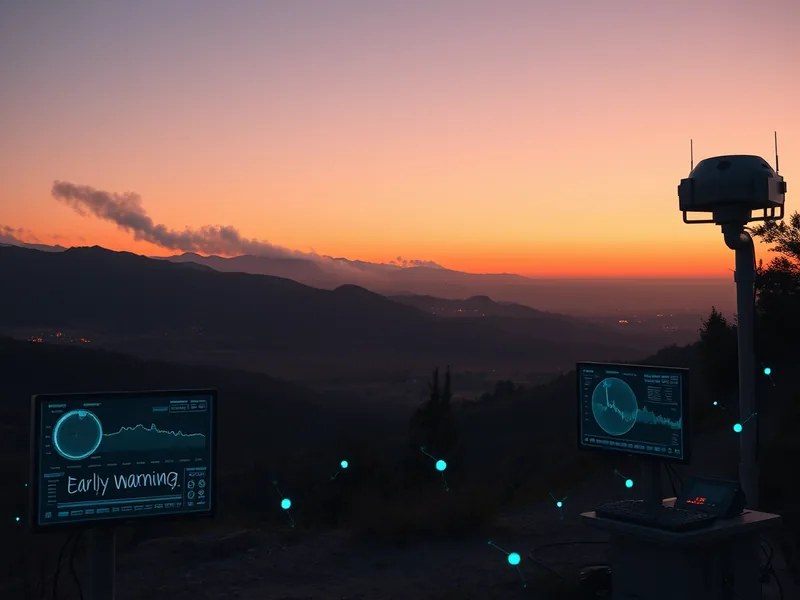
The benefits of this technology are clear: faster response times, reduced property damage, and saved lives. However, like any new technology, there are also risks and challenges to consider. One concern is the potential for false alarms, which could lead to unnecessary resource allocation and public anxiety. Another issue is the need for robust cybersecurity measures to protect against hacking or tampering with the system.
The long-term implications of this AI network are significant. As climate change continues to exacerbate wildfire conditions, having a reliable early warning system becomes even more critical. The data collected by these monitors can also be used to improve predictive models and inform fire prevention strategies.
Moreover, the success of this technology in California could inspire similar initiatives in other regions prone to wildfires, such as Australia, Greece, and parts of Africa. By sharing knowledge and best practices, global efforts to combat wildfires can become more coordinated and effective.
The development and implementation of this AI network have been a collaborative effort involving various stakeholders. Government agencies, tech companies, and environmental organizations have all played crucial roles in bringing this system to life. This collaboration highlights the importance of cross-sector partnerships in addressing complex environmental challenges.
As California continues to face the threat of wildfires, the AI monitoring network stands as a beacon of hope and innovation. By detecting fires early, this technology not only saves lives and property but also contributes to broader efforts to protect our environment. As we move forward, it is essential to continue refining these systems and exploring new ways to enhance public safety and environmental protection.
Tags
Original Sources
About the author
Amara's entry point into AI was an epidemiology role at a London research hospital, where she spent five years studying how digital health tools reached — or conspicuously failed to reach — underserved communities. Watching early algorithmic systems in healthcare quietly entrench existing inequalities, she redirected her career toward the systemic consequences of AI at scale. She covers AI through an unflinching lens: who benefits, who bears the cost, and what evidence actually says versus what the press release claims. Her writing is calm and precise, but she doesn't mistake balance for neutrality.
More from The Steward →This Week's Edition
29 April 2026
29 articles
Related Articles

Nuclear Plants Are Squeezing Out More Power, But It Won't Be Enough to Meet AI's Demand
Environment & Climate · 5 min

The Hidden Environmental Price Tag of Artificial Intelligence
Environment & Climate · 5 min

Iambic Therapeutics Raises $150 Million in IPO to Fund AI-Designed Cancer Drugs
Finance & Markets · 5 min
Related Articles
Nuclear Plants Are Squeezing Out More Power, But It Won't Be Enough to Meet AI's Demand
Environment & Climate · 5 min
The Hidden Environmental Price Tag of Artificial Intelligence
Environment & Climate · 5 min
Iambic Therapeutics Raises $150 Million in IPO to Fund AI-Designed Cancer Drugs
Finance & Markets · 5 min
More Stories
© 2026 Cedar & Bloom. All rights reserved.
