The Drum · Weekly AI news, freeSubscribe →
Share
A new AI-powered app is revolutionizing ear infection diagnosis, potentially reducing unnecessary antibiotic prescriptions and helping combat rising antibiotic resistance in communities worldwide.
In a world where antibiotic resistance is on the rise, accurate diagnosis of common infections like earaches can make a significant difference in public health. A new smartphone app powered by artificial intelligence (AI) is stepping up to meet this challenge, offering a reliable way to diagnose ear infections and prevent unnecessary antibiotic use.
Ear infections are one of the most common reasons parents bring their children to the doctor. However, diagnosing these infections can be tricky. Traditional methods often rely on visual inspection with an otoscope, which can be subjective and may lead to misdiagnosis. This is where the new AI app comes in, providing a more precise and accessible solution.
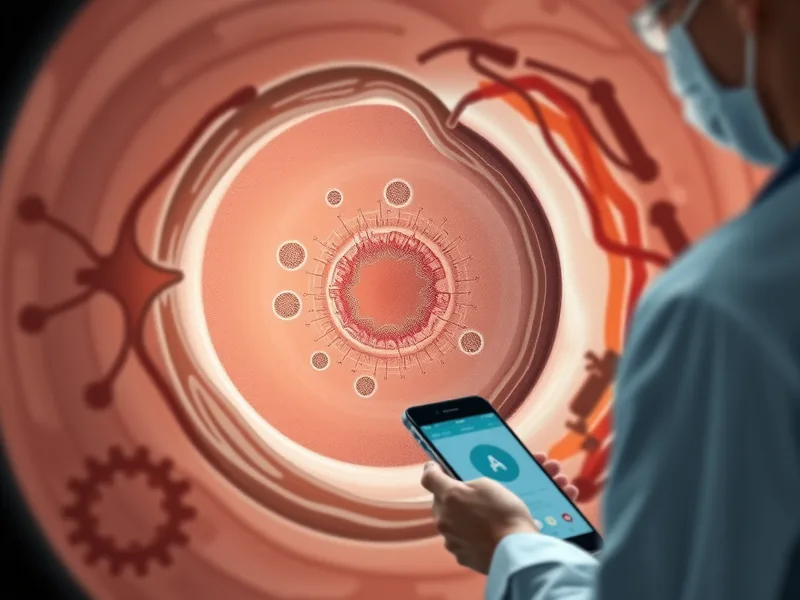
The app, developed by researchers at a leading university, uses machine learning algorithms to analyze images of the eardrum captured by a smartphone camera. The process is straightforward: users simply place a special adapter on their phone's camera lens, insert it gently into the ear canal, and take a picture. The AI then evaluates the image for signs of infection, such as redness, swelling, or fluid buildup.
One of the key benefits of this app is its accuracy. In clinical trials, the AI system was able to diagnose ear infections with a high degree of precision, comparable to that of trained medical professionals. This means that parents can get an accurate diagnosis without leaving their home, potentially saving time and reducing healthcare costs.
More importantly, the app helps prevent the overuse of antibiotics. Antibiotics are often prescribed for ear infections, but not all cases require them. Overprescribing antibiotics contributes to antibiotic resistance, a growing global health threat. By providing a clear diagnosis, the app can help doctors and parents decide whether antibiotics are truly necessary, thereby reducing unnecessary prescriptions.
The implications of this technology extend beyond individual households. Public health officials have long been concerned about the rise of antibiotic-resistant bacteria, which can lead to infections that are difficult or impossible to treat. By curbing the misuse of antibiotics, this app could play a role in slowing down the development of these superbugs.
However, it's important to note that while the app is a valuable tool, it should not replace professional medical advice entirely. If the app indicates an infection, users should still consult a healthcare provider for further evaluation and treatment. The app is designed to complement, not substitute, traditional medical care.
The development of this AI-powered app represents a significant step forward in mobile health technology. It demonstrates how AI can be harnessed to improve diagnostic accuracy and public health outcomes. As the technology continues to evolve, we may see more innovative solutions that empower individuals to take control of their health while supporting broader efforts to combat antibiotic resistance.
For now, parents and caregivers have a new tool at their disposal-one that promises to make diagnosing ear infections easier, more accurate, and more responsible. By using this app, they can help protect both their children's health and the effectiveness of antibiotics for future generations.
Tags
Original Sources
About the author
Amara's entry point into AI was an epidemiology role at a London research hospital, where she spent five years studying how digital health tools reached — or conspicuously failed to reach — underserved communities. Watching early algorithmic systems in healthcare quietly entrench existing inequalities, she redirected her career toward the systemic consequences of AI at scale. She covers AI through an unflinching lens: who benefits, who bears the cost, and what evidence actually says versus what the press release claims. Her writing is calm and precise, but she doesn't mistake balance for neutrality.
More from The Steward →This Week's Edition
29 April 2026
29 articles
Related Articles
Related Articles
More Stories
© 2026 Cedar & Bloom. All rights reserved.