The Drum · Weekly AI news, freeSubscribe →

Share
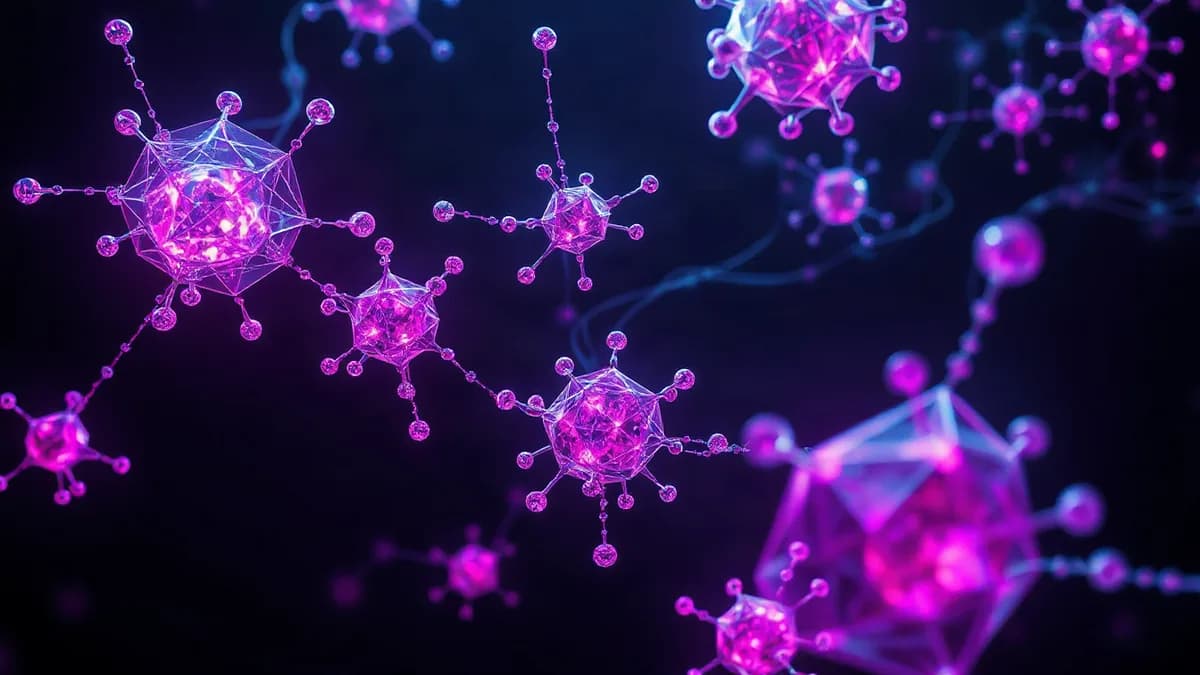
AI is revolutionizing medical research by speeding up the discovery of new drugs, potentially making life-saving treatments more accessible and affordable for millions suffering from untreatable diseases.
In an era where medical breakthroughs are increasingly driven by technology, artificial intelligence (AI) is emerging as a powerful ally in the quest for new drugs. This innovative approach not only accelerates the drug discovery process but also holds the potential to make life-saving treatments more accessible and affordable.
Every year, millions of people around the world suffer from diseases that lack effective treatments. The traditional drug discovery process is lengthy, costly, and often fraught with setbacks. It can take over a decade and billions of dollars to bring a new drug to market. AI has the potential to revolutionize this process by identifying promising compounds more quickly and efficiently, ultimately leading to faster development of life-saving medications.
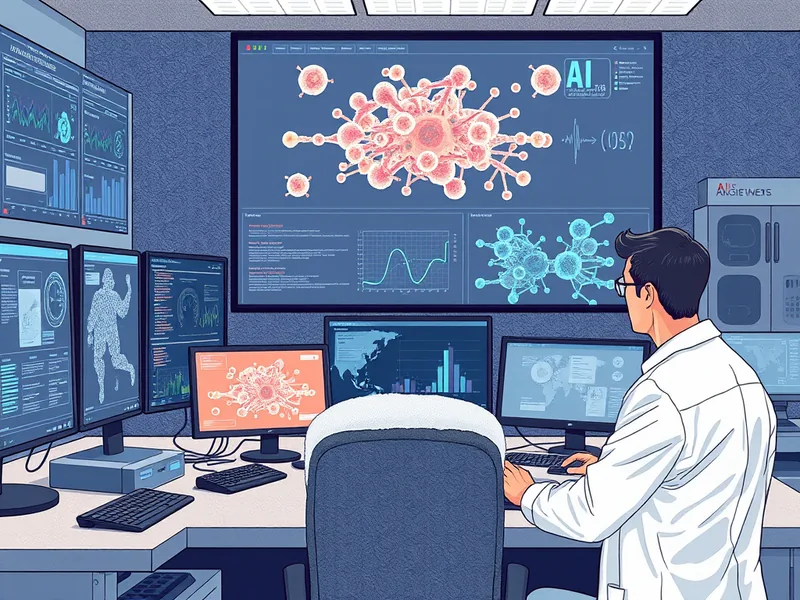
AI works by analyzing vast amounts of data-far more than any human could process in a lifetime. This includes information from previous drug trials, genetic studies, and medical records. By sifting through this data, AI algorithms can identify patterns and predict which compounds are most likely to be effective against specific diseases.
One key application of AI is in the early stages of drug discovery, where it helps researchers narrow down potential candidates. For example, a study published in Nature highlighted how an AI system was able to identify a new antibiotic compound that was effective against drug-resistant bacteria. This breakthrough was achieved in just a few days, a process that would have taken years using traditional methods.
The benefits of AI in drug discovery are numerous:
However, there are also risks and challenges to consider:
The integration of AI into drug discovery is part of a broader trend towards more personalized medicine. In the future, AI could help tailor treatments to individual patients based on their unique genetic profiles, leading to more effective and safer therapies.
Moreover, the use of AI in biotech research has the potential to democratize access to cutting-edge medical treatments. By making the drug discovery process more efficient, it could reduce costs and make life-saving medications available to a wider population.
AI is not just a tool; it's a game-changer in the field of medical research. As we continue to refine and expand its capabilities, AI has the potential to transform how we discover and develop new drugs, ultimately improving public health on a global scale.
Tags
Original Sources
↗ https://www.goodnewsnetwork.org/more/contact
About the author
Amara's entry point into AI was an epidemiology role at a London research hospital, where she spent five years studying how digital health tools reached — or conspicuously failed to reach — underserved communities. Watching early algorithmic systems in healthcare quietly entrench existing inequalities, she redirected her career toward the systemic consequences of AI at scale. She covers AI through an unflinching lens: who benefits, who bears the cost, and what evidence actually says versus what the press release claims. Her writing is calm and precise, but she doesn't mistake balance for neutrality.
More from The Steward →This Week's Edition
29 April 2026
29 articles
Related Articles
Related Articles
More Stories
© 2026 Cedar & Bloom. All rights reserved.