The Drum · Weekly AI news, freeSubscribe →
Share
Researchers are harnessing AI to create protein designs that can neutralize snake venom toxins, potentially revolutionizing antivenom treatment with options that don't need refrigeration and work against multiple types of snake bites.
Every year, snake bites claim tens of thousands of lives and leave many more with severe injuries. In remote areas where medical facilities are scarce, the challenge is even greater. Traditional antivenoms, while effective, come with significant limitations: they require refrigeration, have a short shelf life, and involve complex production processes that often rely on animal antibodies. However, a groundbreaking study published in Nature this week offers new hope. Researchers, including University of Washington's Nobel laureate David Baker, have used artificial intelligence to design novel proteins that can block specific toxins found in snake venom.
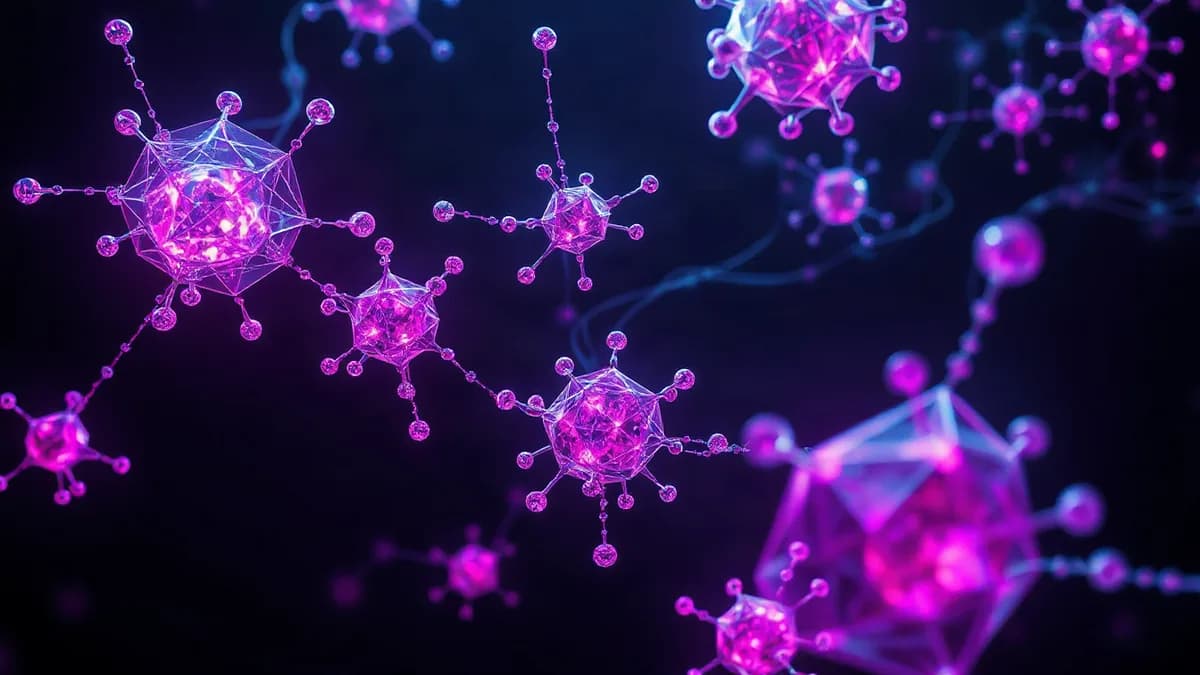
Snake venom is a complex cocktail of toxic proteins designed to incapacitate or kill prey and predators. One of the most dangerous components are three-finger toxins (3FTxs), named for their distinctive folded structure. These toxins are prevalent in the venom of highly venomous snakes like mambas, taipans, and cobras. 3FTxs can cause cell toxicity by disrupting cell membranes or block neurotransmitter receptors, leading to paralysis and death.
Traditional antivenoms are produced by injecting small amounts of venom into animals, which then produce antibodies. These antibodies are harvested and purified to create the final product. However, this process is cumbersome, expensive, and logistically challenging, especially in rural areas where snake bites are most common. The new AI-designed proteins offer a more stable and accessible alternative.
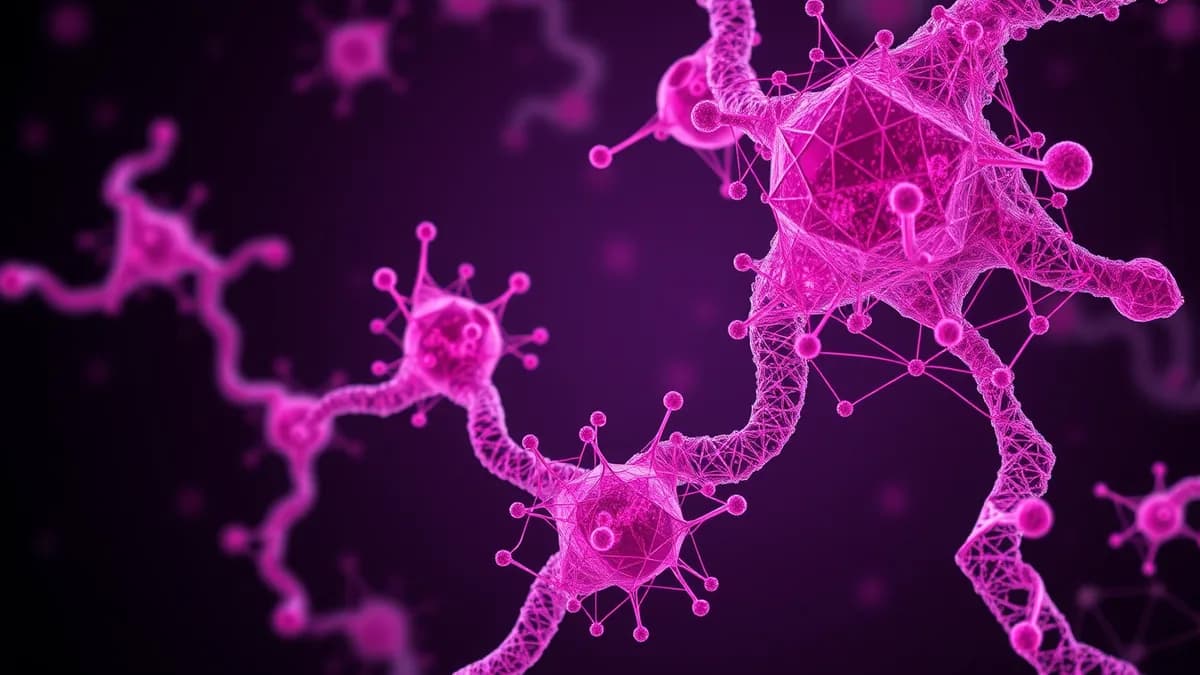
The research team used advanced AI algorithms to design small, stable proteins that could specifically bind to and neutralize 3FTxs. These algorithms, which have been lauded for their ability to predict the three-dimensional structure of proteins, allowed the researchers to create proteins from scratch that could target the venom toxins with high precision.
"AI has opened up new possibilities in protein design," said David Baker, who received his Nobel Prize last month for his contributions to this field. "We can now design proteins that are not only effective but also easier to produce and store."
The researchers focused on two types of 3FTxs: one that causes cell toxicity by disrupting membranes and another that blocks neurotransmitter receptors, leading to paralysis. They designed several candidate proteins for each type of toxin and tested their effectiveness in laboratory settings.

Initial results were promising. The AI-designed proteins showed a strong ability to bind to the target toxins, effectively neutralizing their harmful effects. While not all candidates were successful, the best ones demonstrated significant potential for further development into practical antivenom treatments.
The benefits of this new approach are clear. AI-designed proteins can be produced in bacteria, making them easier and cheaper to manufacture than traditional antibodies. They also do not require refrigeration, which is a critical advantage in remote areas where snake bites often occur. Additionally, these proteins have the potential for longer shelf lives, reducing the need for frequent production cycles.
However, there are still challenges to overcome. The current designs are not yet ready for clinical use and will require further refinement and testing. Safety and efficacy must be thoroughly evaluated before any new antivenom can be approved for human use.
The success of this research opens up exciting possibilities for the future of antivenom development. By leveraging AI, scientists can tackle complex biological problems with greater precision and efficiency. This could lead to more effective treatments not only for snake bites but also for other conditions where protein design plays a crucial role.
"AI is revolutionizing how we approach medical challenges," said Baker. "We are just scratching the surface of what these tools can achieve."
As this technology continues to evolve, it holds the promise of making antivenom more accessible and effective, potentially saving countless lives in areas most vulnerable to snake bites.
Tags
Original Sources
About the author
Amara's entry point into AI was an epidemiology role at a London research hospital, where she spent five years studying how digital health tools reached — or conspicuously failed to reach — underserved communities. Watching early algorithmic systems in healthcare quietly entrench existing inequalities, she redirected her career toward the systemic consequences of AI at scale. She covers AI through an unflinching lens: who benefits, who bears the cost, and what evidence actually says versus what the press release claims. Her writing is calm and precise, but she doesn't mistake balance for neutrality.
More from The Steward →This Week's Edition
29 January 2025
29 articles
Related Articles
Related Articles
More Stories
© 2026 Cedar & Bloom. All rights reserved.