The Drum · Weekly AI news, freeSubscribe →
Share
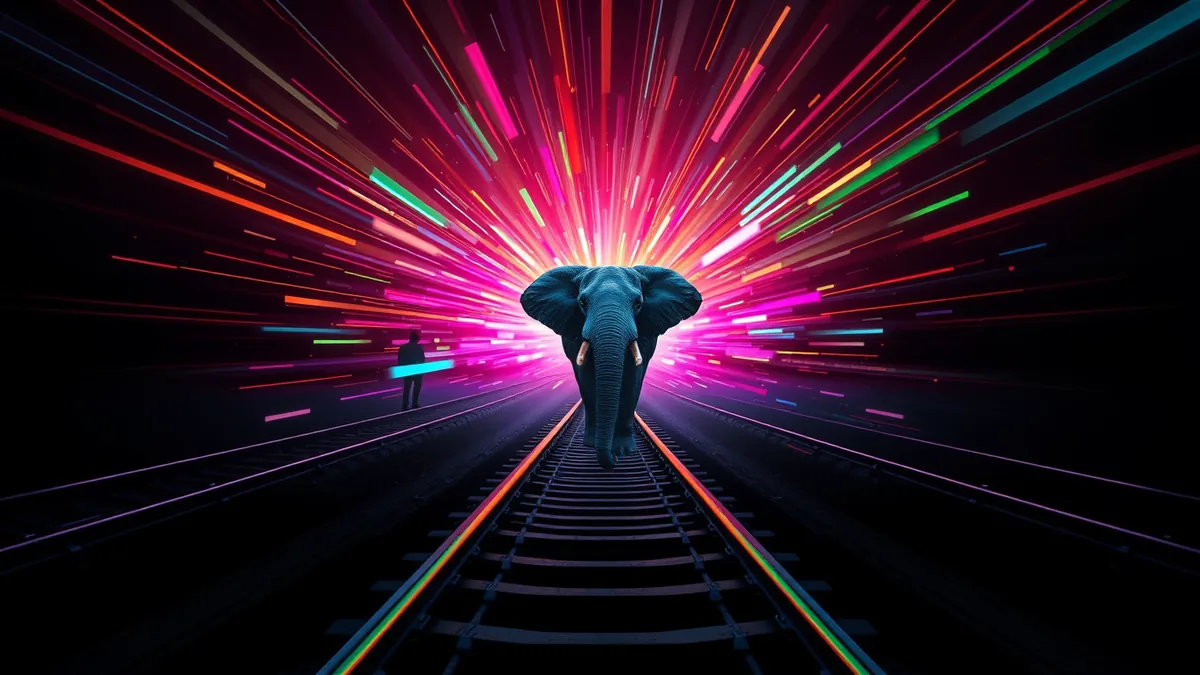
An innovative AI system developed by WII and Indian Railways has prevented a deadly collision between elephants and a speeding train, showcasing the potential for tech to protect both wildlife and humans.
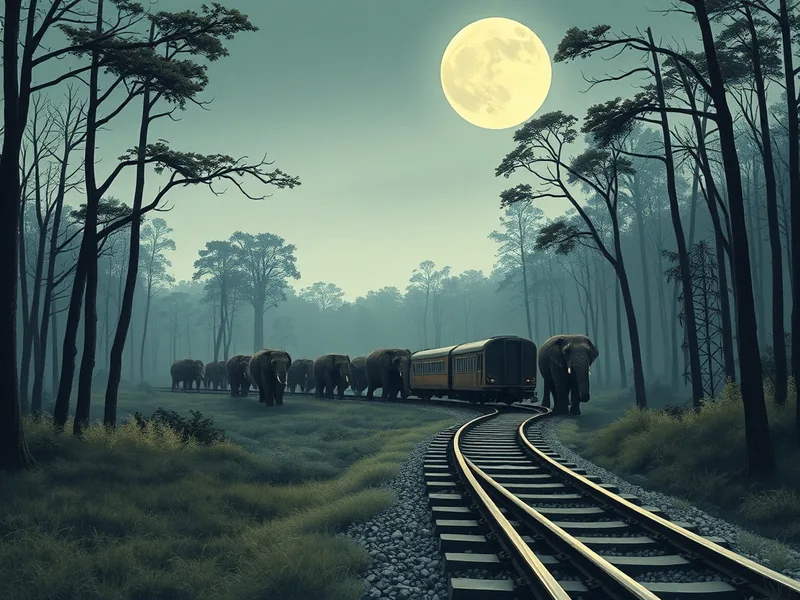
In a quiet, moonlit evening in the dense forests of India, a herd of elephants slowly made their way across a railway track. Unbeknownst to them, a train was hurtling towards this natural crossing, a common yet dangerous scenario that has led to numerous tragic collisions over the years. But tonight, something different happened-a new AI safety system detected the elephants and promptly halted the train, averting a potential disaster.
This groundbreaking technology, developed by the Wildlife Institute of India (WII) in collaboration with the Indian Railways, is part of an ongoing effort to protect both wildlife and human lives. The system uses advanced cameras and machine learning algorithms to identify animals on or near the tracks and alert train operators in real time. When a potential hazard is detected, the AI sends an immediate signal to the locomotive, instructing it to slow down or stop.
For Dr. Rajesh Gopal, a senior scientist at WII, this moment was a culmination of years of research and dedication. "Every collision with wildlife is a tragedy, not just for the animals but for the communities that depend on these railways," he explains. "The AI system has given us a powerful tool to prevent these incidents, ensuring safer passage for both trains and elephants."
India's railway network is vast, spanning over 65,000 kilometers, and it often cuts through wildlife habitats, making it a significant threat to elephant populations. According to the Wildlife Trust of India, more than 250 elephants have been killed in train accidents over the past two decades. The introduction of this AI safety system is a beacon of hope for conservationists and local communities alike.
The technology has already shown promising results. Since its deployment on select routes, there has been a notable reduction in wildlife collisions. In one particularly challenging stretch of track near the Corbett National Park, where elephants frequently cross, the system has successfully prevented several close calls. "It's not just about saving lives; it's about fostering coexistence between humans and nature," says Dr. Gopal.
The impact extends beyond the immediate prevention of accidents. For communities living near these tracks, the system brings a sense of relief and security. Sarita, a resident of a small village adjacent to the railway line, shares her experience: "We used to live in constant fear of accidents. Now, with this new technology, we feel much safer. It's like having an extra set of eyes watching over us."
The AI safety system is also a testament to the power of collaboration between different sectors. The project brought together wildlife experts, railway engineers, and tech innovators, each contributing their unique expertise to create a solution that works for everyone. "This is what happens when we combine our knowledge and resources to tackle complex problems," says Dr. Gopal. "It's a model for future innovations in conservation and safety."
While the system has made significant strides, there are still challenges ahead. The technology needs to be scaled up and adapted to different environments across India. Additionally, ongoing monitoring and maintenance will be crucial to ensure its effectiveness over time. However, the potential benefits are immense. As more regions adopt this AI safety system, it could lead to a substantial reduction in wildlife fatalities and improve the overall safety of railway operations.
The story of the elephants and the train is more than just a technological achievement; it's a reminder of our capacity for innovation and compassion. It shows that with the right tools and a shared commitment, we can create a world where humans and nature thrive together.
Tags
Original Sources
About the author
Lena spent a decade working in international development before AI tools began showing up in the field programmes she was running — first as curiosity, then as something that genuinely changed outcomes. She writes about the moments where AI stops being a headline and starts being a lifeline: the early cancer detection in a rural clinic, the flood model that gave a village three extra days to evacuate, the translation tool that let a child speak to a doctor for the first time. She is not naive about the risks, but she believes the stories of AI doing real good deserve the same rigour and airtime as the cautionary ones.
More from The Optimist →This Week's Edition
30 April 2026
29 articles
Related Articles

Iambic Therapeutics Raises $150 Million in IPO to Fund AI-Designed Cancer Drugs
Finance & Markets · 5 min

Biotech's Summer Glow Fades as XBI Slips 11% From August Highs
Finance & Markets · 5 min

States Race to Write the Rules for AI Sandboxes in Health Care, and Lobbyists Are Racing Right Alongside Them
Policy & Regulation · 5 min
Related Articles
Iambic Therapeutics Raises $150 Million in IPO to Fund AI-Designed Cancer Drugs
Finance & Markets · 5 min
Biotech's Summer Glow Fades as XBI Slips 11% From August Highs
Finance & Markets · 5 min
States Race to Write the Rules for AI Sandboxes in Health Care, and Lobbyists Are Racing Right Alongside Them
Policy & Regulation · 5 min
More Stories
© 2026 Cedar & Bloom. All rights reserved.
