The Drum · Weekly AI news, freeSubscribe →

Share
As Virginia's rural communities embrace AI, residents grapple with the tech’s voracious appetite for power, questioning if the benefits outweigh the ecological costs.
In Culpeper County, Virginia, where the scent of hay and manure wafts through the air and cows outnumber humans by a ratio of three to one, residents like Sarah Parmelee enjoy the charm of small-town life. Yet, this idyllic setting is on the cusp of a technological revolution that could transform it-and not just in terms of digital innovation. The rise of artificial intelligence (AI) is sparking concerns about its energy consumption and environmental impact.
AI systems, from chatbots to self-driving cars, are becoming increasingly integrated into our daily lives. These technologies rely on vast data centers that require enormous amounts of electricity to operate and cool. As AI continues to expand, so does the demand for these energy-intensive facilities.
Data centers are essentially massive warehouses filled with servers that process and store information. They are the backbone of the internet and cloud computing, but they come with a significant environmental cost. According to recent studies, data centers currently account for about 1% of global electricity consumption. While this might seem small, it's important to note that AI is just one of many applications driving this demand.
Training AI models can be particularly energy-intensive. For example, training a single large language model like GPT-3 can consume as much electricity as an average American household uses in over 50 years. This high energy consumption is primarily due to the complex mathematical operations and vast datasets required for these models to learn.
However, it's not all bad news. AI also has the potential to contribute positively to environmental sustainability. For instance, AI can optimize energy usage in buildings by predicting and adjusting heating and cooling needs based on occupancy patterns. It can also enhance renewable energy systems by improving forecasting and grid management.
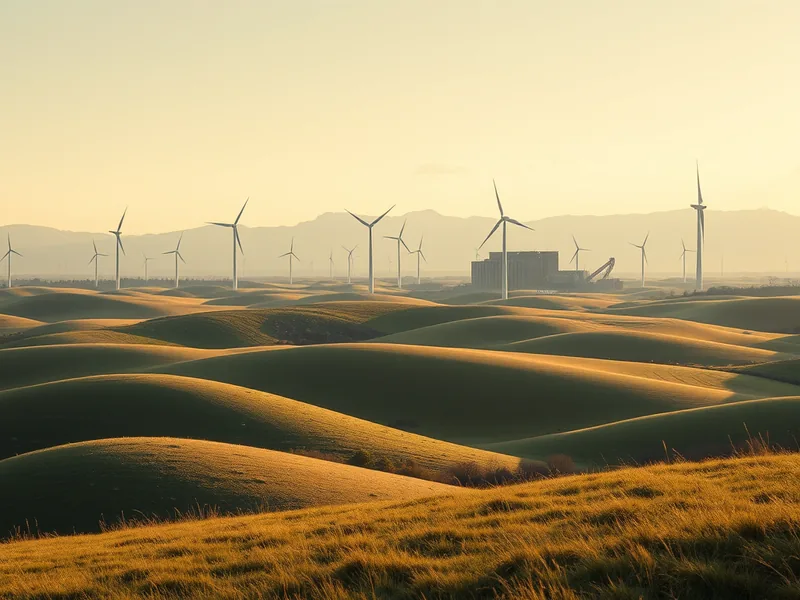
The key challenge is balancing the benefits of AI with its environmental impact. One approach is to improve the efficiency of data centers. Companies like Google and Microsoft are already investing in more sustainable practices, such as using renewable energy sources and advanced cooling techniques. These efforts can significantly reduce the carbon footprint of data centers.
Another strategy is to develop more efficient AI algorithms. Researchers are exploring ways to create models that require less computational power while maintaining or even improving performance. This could help reduce the overall energy consumption of AI systems.
The long-term consequences of AI's energy consumption depend on how we manage its growth. If we continue to rely on fossil fuels, the environmental impact could be severe. However, if we transition to renewable energy and adopt more sustainable practices, AI can play a crucial role in addressing climate change.
For residents like Sarah Parmelee, the transformation brought by AI might mean new opportunities for economic development and improved quality of life. But it also raises important questions about how to ensure that this technological advancement is sustainable and equitable.
As AI continues to evolve, it's crucial for policymakers, industry leaders, and researchers to work together to address its environmental impact. This includes investing in renewable energy, improving the efficiency of data centers, and developing more sustainable AI algorithms. By taking a proactive approach, we can harness the benefits of AI while minimizing its negative effects on the environment.
Tags
Original Sources
About the author
Amara's entry point into AI was an epidemiology role at a London research hospital, where she spent five years studying how digital health tools reached — or conspicuously failed to reach — underserved communities. Watching early algorithmic systems in healthcare quietly entrench existing inequalities, she redirected her career toward the systemic consequences of AI at scale. She covers AI through an unflinching lens: who benefits, who bears the cost, and what evidence actually says versus what the press release claims. Her writing is calm and precise, but she doesn't mistake balance for neutrality.
More from The Steward →This Week's Edition
11 March 2025
29 articles
Related Articles

Nuclear Plants Are Squeezing Out More Power, But It Won't Be Enough to Meet AI's Demand
Environment & Climate · 5 min

The Hidden Environmental Price Tag of Artificial Intelligence
Environment & Climate · 5 min

Iambic Therapeutics Raises $150 Million in IPO to Fund AI-Designed Cancer Drugs
Finance & Markets · 5 min
Related Articles
Nuclear Plants Are Squeezing Out More Power, But It Won't Be Enough to Meet AI's Demand
Environment & Climate · 5 min
The Hidden Environmental Price Tag of Artificial Intelligence
Environment & Climate · 5 min
Iambic Therapeutics Raises $150 Million in IPO to Fund AI-Designed Cancer Drugs
Finance & Markets · 5 min
More Stories
© 2026 Cedar & Bloom. All rights reserved.
