The Drum · Weekly AI news, freeSubscribe →

Share
This new foot scanner offers a non-invasive way for people to detect early signs of heart failure from home, potentially saving lives by catching the condition before it becomes critical.
Heart failure is a serious condition that affects millions of people worldwide, and early detection can significantly improve outcomes. Now, an innovative at-home foot scanner promises to make it easier for individuals to monitor their health and catch warning signs before they become critical.
Heart failure occurs when the heart cannot pump enough blood to meet the body’s needs. It can lead to severe complications and is often a chronic condition requiring ongoing management. Early detection and intervention are crucial, as they can help prevent hospitalizations and improve quality of life. However, many people may not recognize the early signs of heart failure until it's too late.
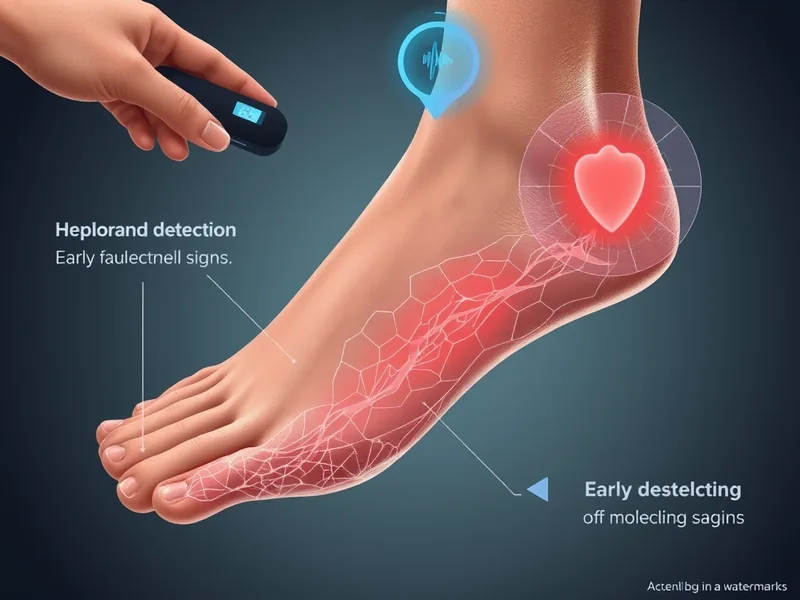
The foot scanner, developed by researchers at the University of Nebraska-Lincoln, is a simple device that patients can use in the comfort of their own homes. It works by measuring changes in the fluid levels in the feet, which can be an early indicator of heart failure exacerbation.
When the heart isn't pumping effectively, fluid can accumulate in the body, particularly in the lower extremities. This condition, known as edema, is a common symptom of worsening heart failure. The scanner uses advanced sensors to detect these changes and sends data to a mobile app, where it can be monitored by both the patient and their healthcare provider.
The primary benefit of this technology is its potential to empower patients to take an active role in managing their health. By providing real-time data, the scanner can alert users to subtle changes that might otherwise go unnoticed. This early warning system can lead to timely medical interventions, potentially preventing hospitalizations and improving overall outcomes.
However, like any new technology, there are risks and limitations. The accuracy of the device is still being evaluated in clinical trials, and it's important for patients to understand that it should complement, not replace, regular medical check-ups. Additionally, false positives or negatives can occur, which could lead to unnecessary anxiety or a false sense of security.
If proven effective, at-home foot scanners could have significant implications for public health. They could reduce the burden on healthcare systems by preventing hospital admissions and improving patient outcomes. Moreover, they could help address disparities in access to care, as individuals in remote or underserved areas could benefit from this technology.
While the foot scanner is not yet widely available, it's worth keeping an eye on its development. If you or a loved one has heart failure, discussing this and other emerging technologies with your healthcare provider can help you stay informed about the latest options for managing the condition.
The University of Nebraska-Lincoln researchers are continuing to refine the technology and conduct further studies to ensure its safety and efficacy. They hope that in the near future, the foot scanner will become a standard tool in the management of heart failure.
Early detection is key in managing heart failure, and at-home technologies like the foot scanner offer promising new ways to monitor health and catch warning signs early. By staying informed and proactive, we can work together to improve outcomes and enhance the quality of life for those living with this condition.
Tags
Original Sources
About the author
Amara's entry point into AI was an epidemiology role at a London research hospital, where she spent five years studying how digital health tools reached — or conspicuously failed to reach — underserved communities. Watching early algorithmic systems in healthcare quietly entrench existing inequalities, she redirected her career toward the systemic consequences of AI at scale. She covers AI through an unflinching lens: who benefits, who bears the cost, and what evidence actually says versus what the press release claims. Her writing is calm and precise, but she doesn't mistake balance for neutrality.
More from The Steward →This Week's Edition
29 April 2026
29 articles
Related Articles
Related Articles
More Stories
© 2026 Cedar & Bloom. All rights reserved.