The Drum · Weekly AI news, freeSubscribe →

Share
As Canada battles devastating wildfires, Australia is tightening regulations on artificial intelligence. Both events highlight the complex interplay between environmental policy and technological governance.
The world is facing a dual crisis this summer, with Canada battling some of the most severe wildfires in its history and Australia imposing new restrictions on artificial intelligence (AI). These two seemingly disparate issues are more interconnected than they might appear at first glance, both highlighting the urgent need for robust public health measures and environmental policies.
In Canada, the 2023 wildfire season has been unprecedented. Smoke from the blazes has blanketed major cities like Toronto and Ottawa, causing significant health concerns and forcing thousands to evacuate their homes. The smoke has even traveled across the Atlantic Ocean, affecting air quality in Europe. This is not just a Canadian problem; it's a global one.
The fires are driven by a combination of factors: prolonged droughts, high temperatures, and strong winds-conditions that climate scientists have long warned about as consequences of global warming. The Intergovernmental Panel on Climate Change (IPCC) has repeatedly emphasized the link between rising temperatures and an increase in extreme weather events like wildfires.
For those living in affected areas, the immediate health impacts are severe. Smoke inhalation can lead to respiratory issues, cardiovascular problems, and exacerbate existing conditions such as asthma. Children, the elderly, and individuals with pre-existing health conditions are particularly vulnerable. The economic toll is also significant, with billions of dollars in damages to property, infrastructure, and local economies.
While Canada grapples with these immediate challenges, Australia is taking a different approach by focusing on the long-term implications of technology. In June 2023, the Australian government introduced new regulations aimed at curbing the potential misuse of AI. These restrictions are part of a broader effort to ensure that technological advancements do not outpace ethical and safety considerations.
The Australian AI regulations require companies to conduct thorough risk assessments before deploying AI systems, particularly in areas like healthcare, finance, and law enforcement. The goal is to prevent biases and inaccuracies that could lead to unfair outcomes or even harm individuals. For example, flawed algorithms used in hiring processes have been known to discriminate against certain groups.
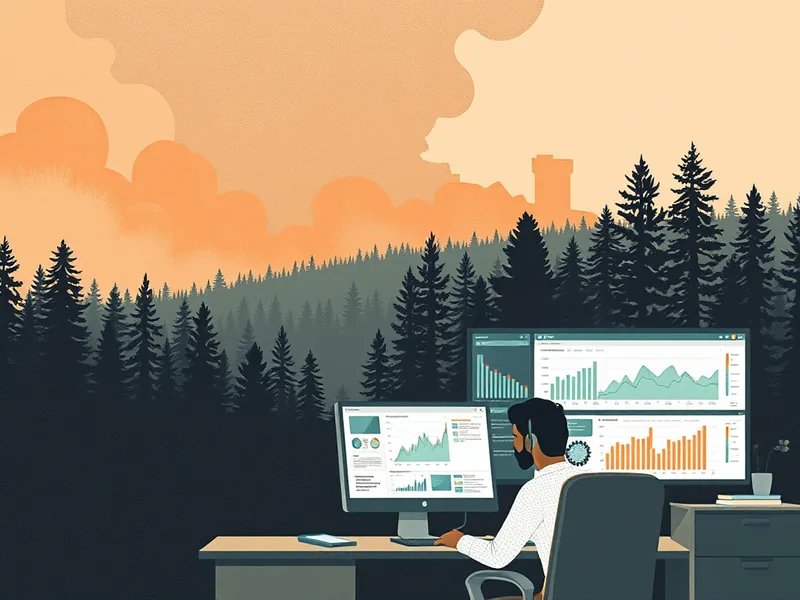
The Australian government's approach to AI regulation reflects a growing global trend. Countries like the United States and European Union are also exploring similar measures to ensure that AI is developed and deployed responsibly. The challenge lies in striking a balance between fostering innovation and protecting public interests.
Critics argue that overly restrictive regulations could stifle technological progress and put Australia at a competitive disadvantage. However, proponents of the new rules emphasize the importance of addressing ethical concerns early on. They point out that without proper safeguards, AI could exacerbate existing social inequalities and pose significant risks to privacy and security.
In both Canada and Australia, the underlying issues-climate change and technological governance-require proactive and collaborative solutions. For Canada, this means investing in fire prevention strategies, improving emergency response systems, and accelerating efforts to reduce greenhouse gas emissions. For Australia, it involves fostering a regulatory environment that encourages responsible AI development while protecting citizens.
The events unfolding in Canada and Australia are not isolated incidents but part of a larger narrative about the challenges facing modern societies. Climate change is making extreme weather events more frequent and intense, putting public health and safety at risk. At the same time, rapid technological advancements bring both opportunities and risks that must be carefully managed.
By addressing these issues head-on, Canada and Australia can set examples for other nations. Effective policies and regulations can help mitigate the impacts of climate change and ensure that AI is a force for good in society. Ultimately, it is through collective action and a commitment to evidence-based decision-making that we can build a more resilient and equitable future.
Tags
Original Sources
Canada wildfires | Australia’s AI restrictions | Miliband no longer chancellor ‘frontrunner’ - Carbon Brief
↗ https://www.carbonbrief.org/daily-brief/canada-wildfires-australias-ai-restrictions-miliband-no-longer-chancellor-frontrunner
About the author
Amara's entry point into AI was an epidemiology role at a London research hospital, where she spent five years studying how digital health tools reached — or conspicuously failed to reach — underserved communities. Watching early algorithmic systems in healthcare quietly entrench existing inequalities, she redirected her career toward the systemic consequences of AI at scale. She covers AI through an unflinching lens: who benefits, who bears the cost, and what evidence actually says versus what the press release claims. Her writing is calm and precise, but she doesn't mistake balance for neutrality.
More from The Steward →This Week's Edition
20 July 2026
29 articles
Related Articles

Nuclear Plants Are Squeezing Out More Power, But It Won't Be Enough to Meet AI's Demand
Environment & Climate · 5 min

The Hidden Environmental Price Tag of Artificial Intelligence
Environment & Climate · 5 min

Iambic Therapeutics Raises $150 Million in IPO to Fund AI-Designed Cancer Drugs
Finance & Markets · 5 min
Related Articles
Nuclear Plants Are Squeezing Out More Power, But It Won't Be Enough to Meet AI's Demand
Environment & Climate · 5 min
The Hidden Environmental Price Tag of Artificial Intelligence
Environment & Climate · 5 min
Iambic Therapeutics Raises $150 Million in IPO to Fund AI-Designed Cancer Drugs
Finance & Markets · 5 min
More Stories
© 2026 Cedar & Bloom. All rights reserved.
