The Drum · Weekly AI news, freeSubscribe →

Share
From China's soaring data centre emissions to raging wildfires in Texas, the climate crisis is escalating on multiple fronts. Here’s how these issues intersect and what they mean for our future.
The climate crisis is no longer a distant threat; it's a present-day reality affecting lives and livelihoods around the world. In recent news, two significant developments highlight the urgency of this issue: China's rapidly growing data centre emissions and the devastating wildfires in Texas. These events are not isolated incidents but part of a larger pattern that underscores the need for immediate action.
China’s data centres are on track to quadruple their electricity consumption by 2030, according to global research firm Wood Mackenzie. By the end of this decade, these facilities will use an estimated 774 terawatt-hours (TWh) of electricity, accounting for around 6% of China's total projected consumption. This figure is expected to rise to a staggering 17% by 2060. The implications are profound: data centres, which power the digital economy, are becoming major contributors to carbon emissions and energy demand.
In the UK, the situation is equally concerning. Analysis by ClientEarth and other environmental organizations reveals that two planned data centres in the country will have higher carbon emissions than those of ExxonMobil, a leading oil and gas company. This finding challenges the common perception that digital infrastructure is inherently green and highlights the need for stricter regulations and more sustainable practices.
The human cost of these developments is already evident. In Texas, a wildfire that erupted within hours has devastated ranchlands and communities. The fire's rapid spread is a stark reminder of how climate change exacerbates natural disasters, making them more frequent and severe. As temperatures rise and drought conditions worsen, the risk of wildfires increases, posing significant threats to public health, property, and ecosystems.
The UK government has also recognized the growing threat posed by climate change and hostile states. In response, it is planning to warn citizens to stock up on food and other essentials in preparation for potential disruptions. This move reflects a broader shift towards resilience planning, as governments around the world grapple with the multifaceted challenges of the climate crisis.
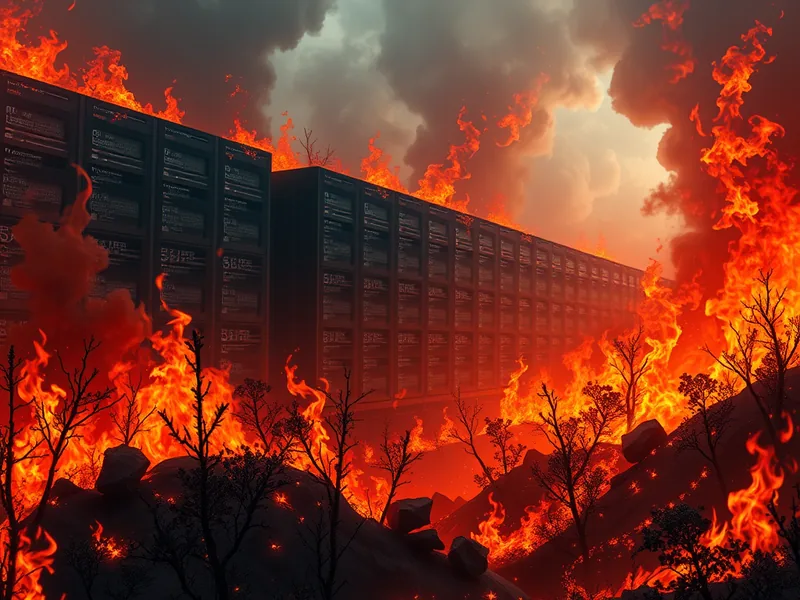
The intersection of these issues-data centre emissions, wildfire risk, and government preparedness-highlights the complexity of the climate challenge. Data centres, while essential for modern life, must be designed and operated in a way that minimizes their environmental impact. This includes adopting renewable energy sources, improving energy efficiency, and implementing robust carbon capture technologies.
The stakes are high. The cumulative effect of data centre emissions, coupled with the increasing frequency and intensity of natural disasters like wildfires, underscores the urgent need for comprehensive climate action. Policymakers, businesses, and individuals must work together to develop and implement sustainable solutions that address both the causes and consequences of climate change.
For China, this means accelerating its transition to renewable energy sources and investing in green technologies. For the UK, it involves tightening regulations on data centres and enhancing disaster preparedness measures. And for communities worldwide, it requires a collective effort to reduce carbon footprints and build resilience against climate impacts.
The climate crisis is a global challenge that affects us all. By addressing these interconnected issues head-on, we can create a more sustainable and resilient future for generations to come.
Tags
Original Sources
Daily Briefing: China data-centre emissions | UK citizens’ ‘disaster’ warning | Texas wildfires - Carbon Brief
↗ https://www.carbonbrief.org/daily-briefing-china-data-centre-emissions-uk-citizens-disaster-warning-texas-wildfires
About the author
Amara's entry point into AI was an epidemiology role at a London research hospital, where she spent five years studying how digital health tools reached — or conspicuously failed to reach — underserved communities. Watching early algorithmic systems in healthcare quietly entrench existing inequalities, she redirected her career toward the systemic consequences of AI at scale. She covers AI through an unflinching lens: who benefits, who bears the cost, and what evidence actually says versus what the press release claims. Her writing is calm and precise, but she doesn't mistake balance for neutrality.
More from The Steward →This Week's Edition
31 August 2026
17 articles
Related Articles
Related Articles
More Stories
© 2026 Cedar & Bloom. All rights reserved.