The Drum · Weekly AI news, freeSubscribe →

Share
As fertilizer shortages threaten global food security, precision agriculture technologies are emerging as a vital tool to optimize resource use and protect the environment.
The world is facing a significant challenge in the form of a fertilizer shortage. This scarcity not only impacts agricultural productivity but also has far-reaching implications for food security and environmental sustainability. However, there's a glimmer of hope on the horizon: precision agriculture technologies are showing promise in addressing these issues by optimizing resource use and reducing waste.
Fertilizers play a crucial role in modern farming, providing essential nutrients like nitrogen, phosphorus, and potassium to crops. These nutrients help plants grow faster and produce higher yields, which is critical for feeding a growing global population. However, the production of fertilizers is energy-intensive and often relies on finite resources such as natural gas and phosphate rock. The recent geopolitical tensions and supply chain disruptions have exacerbated these challenges, leading to a significant shortage of fertilizers.
The consequences of this shortage are dire. Farmers may struggle to maintain crop yields, which could lead to higher food prices and reduced availability in some regions. This situation is particularly concerning for smallholder farmers in developing countries who often lack the resources to adapt to such changes. The environmental impact is also significant, as overuse of fertilizers can lead to water pollution and soil degradation.
Enter precision agriculture, a suite of technologies designed to make farming more efficient and sustainable. These tools use data from sensors, drones, and satellite imagery to monitor crop health, soil conditions, and weather patterns in real-time. By analyzing this data, farmers can apply fertilizers, water, and other inputs precisely where they are needed, reducing waste and improving yields.
One of the key technologies in precision agriculture is variable rate application (VRA). VRA systems use GPS and sensors to map fields and adjust the amount of fertilizer applied based on specific soil conditions. For example, if a particular area of a field has already received enough nutrients, the system can skip that spot or apply less fertilizer. This not only saves money for farmers but also reduces the environmental impact of excess fertilizers running off into waterways.
Another important tool is precision irrigation. By using sensors to monitor soil moisture and weather data, farmers can irrigate crops more efficiently, ensuring they receive the right amount of water at the right time. This helps conserve water resources, which are increasingly scarce in many parts of the world due to climate change.
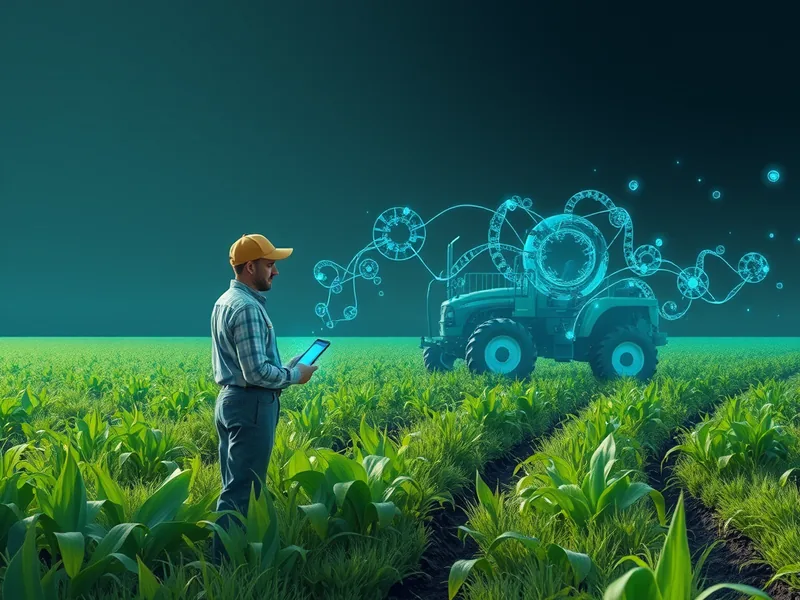
Precision agriculture also plays a crucial role in promoting sustainable farming practices. By reducing the overuse of fertilizers and other inputs, farmers can minimize their environmental footprint. For instance, excess nitrogen from fertilizers can lead to the formation of nitrous oxide, a potent greenhouse gas. By applying fertilizers more precisely, farmers can reduce these emissions, contributing to efforts to combat climate change.
Precision agriculture can help farmers adapt to the impacts of climate change. As weather patterns become more unpredictable, real-time data and predictive analytics can provide valuable insights into when to plant, irrigate, or harvest crops. This flexibility is essential for maintaining productivity in a changing climate.
The benefits of precision agriculture extend beyond environmental sustainability. For smallholder farmers, these technologies can provide access to information and resources that were previously out of reach. Mobile apps and cloud-based platforms are making it easier for farmers in remote areas to monitor their fields and make data-driven decisions. This democratization of technology has the potential to level the playing field and improve livelihoods for millions of small-scale farmers.
However, there are challenges to widespread adoption. The initial investment in precision agriculture technologies can be high, which may be a barrier for some farmers. There is a need for training and education to ensure that farmers understand how to use these tools effectively. Governments and international organizations can play a crucial role by providing financial support and technical assistance to help farmers transition to more sustainable practices.
As the global community continues to grapple with the fertilizer shortage, precision agriculture offers a promising solution. By leveraging data and technology, farmers can optimize resource use, reduce waste, and improve yields. This approach not only helps ensure food security but also supports environmental sustainability and climate resilience.
The path forward involves collaboration between governments, private sector companies, and research institutions to develop and deploy these technologies on a larger scale. It also requires addressing the barriers to adoption, such as cost and access to training. With the right support, precision agriculture can play a vital role in shaping a more sustainable and resilient agricultural future.
Tags
Original Sources
Precision Agriculture Tech Can Address New Fertilizer Shortages
↗ https://spectrum.ieee.org/fertilizer-shortage-precision-agricultur
About the author
Amara's entry point into AI was an epidemiology role at a London research hospital, where she spent five years studying how digital health tools reached — or conspicuously failed to reach — underserved communities. Watching early algorithmic systems in healthcare quietly entrench existing inequalities, she redirected her career toward the systemic consequences of AI at scale. She covers AI through an unflinching lens: who benefits, who bears the cost, and what evidence actually says versus what the press release claims. Her writing is calm and precise, but she doesn't mistake balance for neutrality.
More from The Steward →This Week's Edition
3 June 2026
29 articles
Related Articles

Nuclear Plants Are Squeezing Out More Power, But It Won't Be Enough to Meet AI's Demand
Environment & Climate · 5 min

The Hidden Environmental Price Tag of Artificial Intelligence
Environment & Climate · 5 min

Iambic Therapeutics Raises $150 Million in IPO to Fund AI-Designed Cancer Drugs
Finance & Markets · 5 min
Related Articles
Nuclear Plants Are Squeezing Out More Power, But It Won't Be Enough to Meet AI's Demand
Environment & Climate · 5 min
The Hidden Environmental Price Tag of Artificial Intelligence
Environment & Climate · 5 min
Iambic Therapeutics Raises $150 Million in IPO to Fund AI-Designed Cancer Drugs
Finance & Markets · 5 min
More Stories
© 2026 Cedar & Bloom. All rights reserved.
