The Drum · Weekly AI news, freeSubscribe →

Share
As FDA turmoil looms large, European gene therapy experts in Rome grapple with uncertainty, debating how shifting regulations could impact future innovations and patient access worldwide.
In a world where medical breakthroughs can change lives, the recent turmoil at the U.S. Food and Drug Administration (FDA) is sending ripples across the global gene therapy community. Last week, leaders in cell and gene therapy gathered in Rome for the Alliance for Regenerative Medicine’s Meeting on the Med. Despite the picturesque setting, the mood was tense as discussions often veered back to the regulatory shifts at the FDA.
Tim Hunt, who heads an organization for cell and gene therapy makers, tried to inject a note of optimism into the proceedings. He pointed to recent approvals of rare disease treatments by companies like Rocket Pharmaceuticals and Regeneron Pharmaceuticals. However, it was his reference to the departure of Vinay Prasad, the FDA’s top regulator of gene and cell therapies, that underscored the pervasive concern.
Prasad's exit, announced just a week before the conference, has left many in the industry wondering about the future direction of regulatory oversight. This uncertainty is particularly acute for gene therapy, a field that relies heavily on clear and consistent guidelines to navigate the complex path from lab to clinic.
The FDA's decisions have far-reaching implications because they set global standards for safety and efficacy. In Europe, where the conference was held, there’s a growing sense of frustration with what is perceived as an overly rigid approach by U.S. regulators. This has led some European agencies to promote their own flexibility in approving new treatments.
At the conference, speakers from various European regulatory bodies highlighted their willingness to work closely with companies and researchers to expedite the development of life-saving therapies. One key message was that Europe is open to innovative trial designs and adaptive pathways, which can help bring promising treatments to patients more quickly.
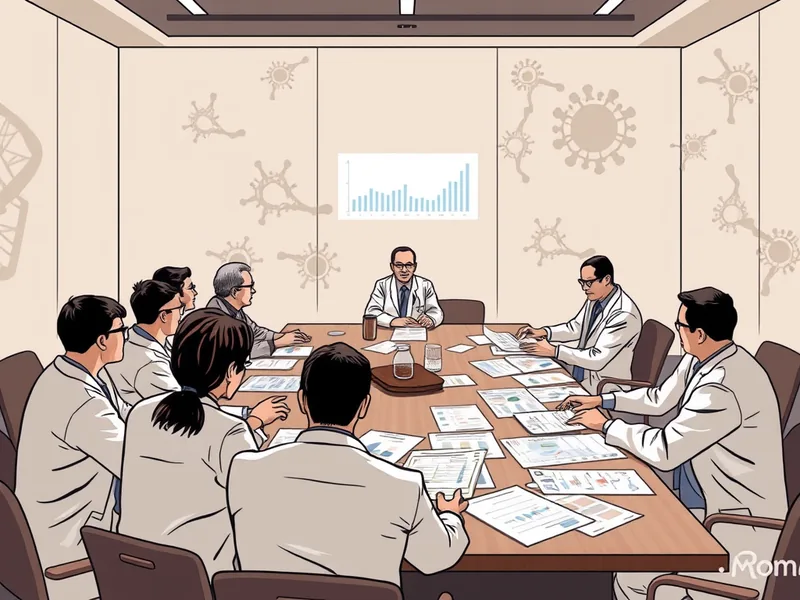
However, the shadow cast by the FDA's turmoil cannot be easily dismissed. Many European companies still seek U.S. approval for their products due to the size and influence of the American market. The uncertainty surrounding the FDA’s future policies could delay or even derail these efforts, potentially stifling innovation and delaying patient access to new treatments.
The departure of Vinay Prasad marks a significant moment in the regulatory landscape, but it is just one part of a larger story. As the gene therapy community waits for clarity on the FDA's future direction, there are several key points to watch:
The gene therapy field stands at a crossroads, with the potential for significant advances on the horizon. However, these advancements are contingent on a stable and supportive regulatory environment. As the industry looks to recover from recent setbacks, the actions of both U.S. and European regulators will be closely watched by all stakeholders.
Tags
Original Sources
Even at a meeting in Rome, FDA shifts are top of mind for gene therapy field
↗ https://www.statnews.com/2026/05/06/fda-turmoil-felt-at-gene-therapy-conference-europe
About the author
Amara's entry point into AI was an epidemiology role at a London research hospital, where she spent five years studying how digital health tools reached — or conspicuously failed to reach — underserved communities. Watching early algorithmic systems in healthcare quietly entrench existing inequalities, she redirected her career toward the systemic consequences of AI at scale. She covers AI through an unflinching lens: who benefits, who bears the cost, and what evidence actually says versus what the press release claims. Her writing is calm and precise, but she doesn't mistake balance for neutrality.
More from The Steward →This Week's Edition
7 May 2026
29 articles
Related Articles
Related Articles
More Stories
© 2026 Cedar & Bloom. All rights reserved.