The Drum · Weekly AI news, freeSubscribe →

Share
Precision Neuroscience's breakthrough places 4,096 electrodes on a human brain, doubling the previous record. This ultra-dense mapping promises deeper insights into neural activity, advancing thought translation and aiding those with impaired motor functions.
In a groundbreaking development for brain-computer interfaces (BCIs), Precision Neuroscience has announced that it successfully placed 4,096 electrodes on a human brain, setting a new world record. This achievement surpasses the previous record of 2,048 electrodes set just last year. The high density of these electrodes allows neuroscientists to map neural activity with unprecedented precision, which could significantly enhance our ability to decode thoughts and translate them into intended actions.
The stakes are high for this technology, particularly for individuals who have lost their ability to speak or move due to conditions like stroke or spinal cord injury. BCIs hold the promise of restoring these critical functions, offering a lifeline to those who might otherwise be locked in their bodies.
Precision Neuroscience, co-founded by neurosurgeon and engineer Ben Rapoport, stands out from its competitors, including the well-known Neuralink, owned by Elon Musk. Rapoport’s departure from Neuralink in 2016 was reportedly driven by safety concerns over the more invasive nature of Neuralink's BCI implants. In a recent episode of The Wall Street Journal podcast "The Future of Everything," Rapoport elaborated on his decision: “For a medical device, safety often implies minimal invasiveness,” he said. “In the early days of BCI development, there was this notion that to extract information-rich data from the brain, one needed to penetrate it with tiny needle-like electrodes. I felt it was possible to achieve the same results without causing damage.”
Precision’s approach is rooted in a philosophy of minimal invasiveness, scalability, and safety. The company's current device, which contains 4,096 electrodes, is designed to sit on the surface of the brain rather than penetrating it. This method aims to minimize the risk of brain damage while still capturing detailed neural activity.
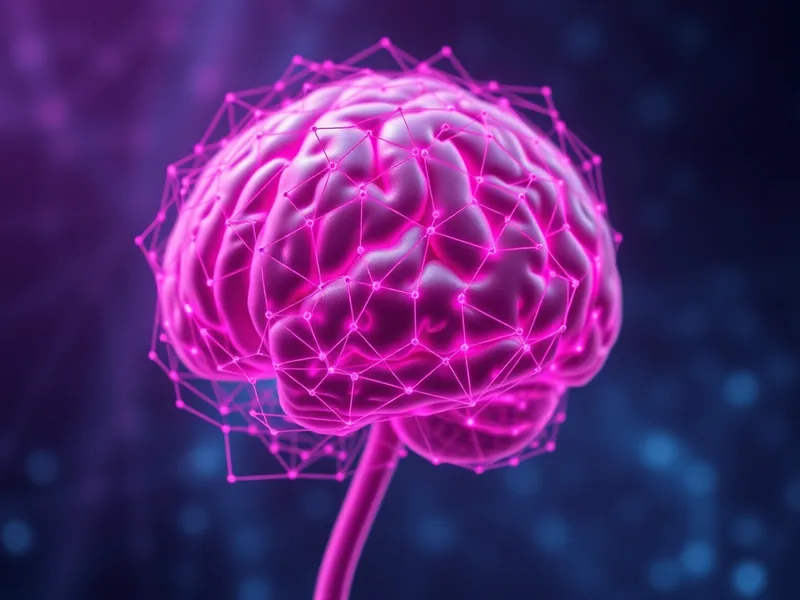
In contrast, Neuralink’s BCI device uses a surgical robot to implant 1,024 electrodes across 64 ultra-thin wires directly into the brain. The first patient to receive this implant was part of an ongoing clinical trial aimed at evaluating both the safety and efficacy of the technology.
The high density of electrodes in Precision's device allows for more precise mapping of neural activity, which is crucial for decoding complex thoughts and movements. This level of detail could lead to more accurate and responsive BCIs, potentially transforming the lives of patients who rely on these devices for communication and mobility.
However, as with any emerging technology, there are risks and ethical considerations. The long-term effects of having electrodes in or on the brain are still not fully understood. Additionally, the potential for misuse, such as unauthorized access to a person’s thoughts, raises significant privacy concerns. Precision Neuroscience is committed to addressing these issues through rigorous testing and transparent communication with the scientific community and the public.
The future of BCIs holds immense promise, but it also requires careful navigation to ensure that the benefits outweigh the risks. As companies like Precision and Neuralink continue to push the boundaries of what’s possible, the hope is that their innovations will lead to meaningful improvements in the lives of those who need them most.
Tags
Original Sources
About the author
Amara's entry point into AI was an epidemiology role at a London research hospital, where she spent five years studying how digital health tools reached — or conspicuously failed to reach — underserved communities. Watching early algorithmic systems in healthcare quietly entrench existing inequalities, she redirected her career toward the systemic consequences of AI at scale. She covers AI through an unflinching lens: who benefits, who bears the cost, and what evidence actually says versus what the press release claims. Her writing is calm and precise, but she doesn't mistake balance for neutrality.
More from The Steward →This Week's Edition
31 May 2024
29 articles
Related Articles
Related Articles
More Stories
© 2026 Cedar & Bloom. All rights reserved.