The Drum · Weekly AI news, freeSubscribe →
Share
This breakthrough technology converts brain signals directly into spoken words, offering hope for those silenced by neurological conditions and opening new avenues in neurotechnology research.
In a significant leap forward for neurotechnology, researchers have developed a brain-computer interface (BCI) that can translate brain activity into speech with unprecedented clarity. This groundbreaking achievement could revolutionize how we communicate and provide life-changing assistance to individuals who have lost the ability to speak due to conditions such as stroke, ALS, or spinal cord injuries.
For millions of people around the world, losing the ability to speak can be isolating and profoundly impact their quality of life. Imagine being unable to express your thoughts, feelings, or even basic needs. This new technology offers hope by bridging that gap, allowing individuals to communicate more effectively and maintain a stronger connection with their loved ones and the world around them.
The brain is a complex organ that processes information through electrical signals. When we think about speaking, specific areas of our brain light up in predictable patterns. The researchers behind this breakthrough have created a system that can read these patterns and convert them into spoken words or sentences.
Think of it like a translator for the brain. Just as a foreign language interpreter helps bridge communication between two people who speak different languages, this BCI acts as an intermediary between the brain's electrical signals and a device that produces speech.
The team, led by scientists at the University of California, San Francisco (UCSF), used a combination of machine learning algorithms and advanced neural recording techniques to achieve this feat. They implanted electrodes in the brains of volunteers who were already undergoing surgery for other conditions, allowing them to record brain activity with high precision.
Using these recordings, the researchers trained their system to recognize patterns associated with different speech sounds. Over time, the algorithm learned to predict what words or phrases a person was thinking about based on their brain activity.
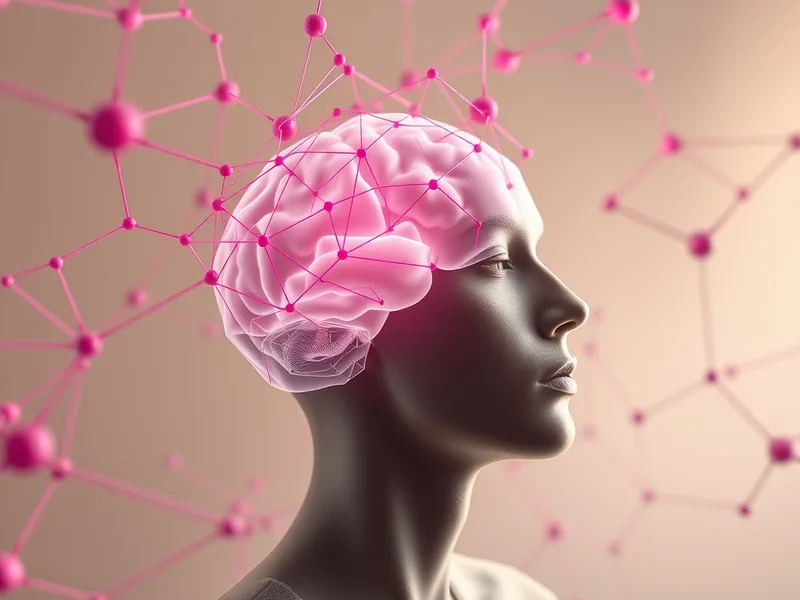
The results were nothing short of remarkable. In tests, the BCI accurately translated brain signals into spoken words at a rate that approached natural speech. This means that not only could the system identify individual sounds and words, but it could also construct coherent sentences with minimal errors.
One of the key benefits of this technology is its potential to be used in real-time. Unlike previous BCIs that required significant processing time, this system can translate thoughts into speech almost instantaneously, making it much more practical for everyday use.
While the potential applications are exciting, there are also important ethical considerations to address. Privacy is a major concern, as the ability to read someone's brain activity could be misused if not properly regulated. Additionally, ensuring that this technology is accessible and affordable for all who need it will be crucial.
Looking ahead, researchers hope to refine the system further, making it even more accurate and user-friendly. They also aim to develop non-invasive versions of the BCI, which would eliminate the need for surgical implants and make the technology available to a broader range of people.
This breakthrough in brain-computer interface technology represents a significant step forward in speech rehabilitation and assistive technology. By translating brainwaves into clear speech, it has the potential to transform the lives of individuals who have lost their ability to communicate. As research continues, we can look forward to even more innovative solutions that enhance human connection and improve quality of life.
Tags
Original Sources
About the author
Amara's entry point into AI was an epidemiology role at a London research hospital, where she spent five years studying how digital health tools reached — or conspicuously failed to reach — underserved communities. Watching early algorithmic systems in healthcare quietly entrench existing inequalities, she redirected her career toward the systemic consequences of AI at scale. She covers AI through an unflinching lens: who benefits, who bears the cost, and what evidence actually says versus what the press release claims. Her writing is calm and precise, but she doesn't mistake balance for neutrality.
More from The Steward →This Week's Edition
29 April 2026
24 articles
Related Articles
A Heart Without Friction: Maglev Technology Moves Into Cardiac Care
Health & Science · 6 min
How a Stubborn Hiss of Radio Noise Helped Confirm the Big Bang
Health & Science · 5 min
AI Can Predict Chemotherapy Response in Aggressive Breast Cancer, But Not Yet Reliably Enough for the Clinic
Health & Science · 5 min
Related Articles
A Heart Without Friction: Maglev Technology Moves Into Cardiac Care
Health & Science · 6 min
How a Stubborn Hiss of Radio Noise Helped Confirm the Big Bang
Health & Science · 5 min
AI Can Predict Chemotherapy Response in Aggressive Breast Cancer, But Not Yet Reliably Enough for the Clinic
Health & Science · 5 min
More Stories
© 2026 Cedar & Bloom. All rights reserved.
