The Drum · Weekly AI news, freeSubscribe →

Share
Scientists are tapping into nature's deadliest arsenal-snake and spider venoms-to combat antibiotic resistance, discovering hundreds of compounds with potential to fight drug-resistant bacteria.
In a world where antibiotic resistance is becoming an increasingly dire threat, researchers have turned to an unlikely source for potential solutions: the venom of snakes and spiders. A recent study has identified hundreds of compounds in these venoms that show promise as new antibiotics, offering hope in the fight against drug-resistant bacteria.
Antibiotic resistance is a global health crisis that affects millions of people each year. According to the World Health Organization (WHO), it is one of the biggest threats to global health, food security, and development today. When antibiotics lose their effectiveness, common infections can become life-threatening, and medical procedures like surgeries and chemotherapy become more dangerous.
Venom, a complex mixture of proteins and peptides, has evolved over millions of years to incapacitate prey and defend against predators. This evolutionary process has equipped venom with unique properties that can target specific biological processes. Scientists have long suspected that these properties could be harnessed for medical purposes, but the sheer complexity of venom has made it challenging to study.
A team of researchers from the University of Queensland in Australia and the University of St Andrews in Scotland has made significant strides in this area. They used advanced techniques to isolate and analyze hundreds of compounds found in the venoms of various snakes and spiders. These compounds were then tested for their ability to kill bacteria, including those that are resistant to existing antibiotics.
The study identified over 200 new peptides from snake venom and more than 100 from spider venom that exhibited potent antibacterial activity. Some of these peptides were particularly effective against Gram-positive bacteria, which include many drug-resistant strains such as MRSA (Methicillin-resistant Staphylococcus aureus).
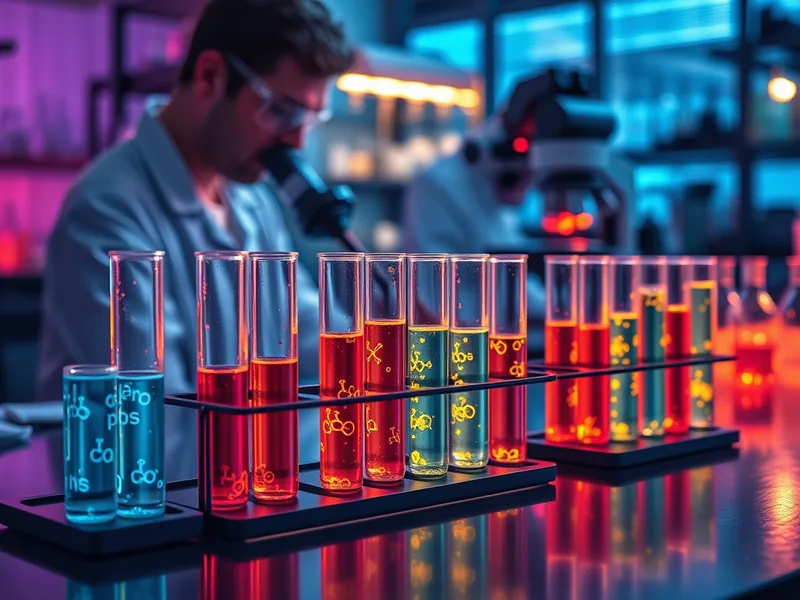
The mechanisms by which these venom-derived compounds combat bacteria are diverse. Some peptides disrupt the bacterial cell membrane, causing it to break down. Others interfere with essential bacterial processes, such as protein synthesis or DNA replication. This multifaceted approach makes it more difficult for bacteria to develop resistance.
While the discovery of these potential new antibiotics is exciting, there is still a long way to go before they can be used in clinical settings. The next steps include further laboratory testing to refine the most promising compounds and preclinical trials to assess their safety and efficacy. If successful, these venom-derived antibiotics could provide much-needed alternatives to current treatments.
The use of venom for medical research raises important ethical questions. Ensuring that the collection of venom does not harm the animals or disrupt ecosystems is crucial. Many researchers are working on synthetic versions of these compounds to minimize the need for live animal sources.
This breakthrough is a testament to the power of interdisciplinary collaboration. Biologists, chemists, and pharmacologists have come together to unlock the potential of nature's most potent toxins. As antibiotic resistance continues to evolve, such collaborative efforts will be essential in developing new treatments and safeguarding public health.
The discovery of hundreds of promising antibiotics from snake and spider venoms is a significant step forward in the fight against drug-resistant bacteria. While there are still many challenges to overcome, this research offers hope that we can find new ways to combat one of the most pressing health issues of our time.
Tags
Original Sources
About the author
Amara's entry point into AI was an epidemiology role at a London research hospital, where she spent five years studying how digital health tools reached — or conspicuously failed to reach — underserved communities. Watching early algorithmic systems in healthcare quietly entrench existing inequalities, she redirected her career toward the systemic consequences of AI at scale. She covers AI through an unflinching lens: who benefits, who bears the cost, and what evidence actually says versus what the press release claims. Her writing is calm and precise, but she doesn't mistake balance for neutrality.
More from The Steward →This Week's Edition
29 April 2026
29 articles
Related Articles
Related Articles
More Stories
© 2026 Cedar & Bloom. All rights reserved.