The Drum · Weekly AI news, freeSubscribe →

Share
As data centers fueling artificial intelligence expand, the United Nations calls for transparency and a commitment to renewable energy to mitigate their environmental toll.
The rapid growth of artificial intelligence (AI) has brought unprecedented advancements in technology, but it has also raised significant concerns about its environmental impact. On Tuesday, during London Climate Action Week, United Nations Secretary-General António Guterres addressed these issues head-on, calling on major AI companies to be more transparent about their environmental costs and to transition to renewable energy sources.
"By 2030, data centers could use more power than all but five countries-and enough water to meet the basic needs of all 1.3 billion residents of sub-Saharan Africa for an entire year," Guterres stated in his address. This stark projection underscores the urgent need for action. The UN chief launched the AI Environmental Transparency Initiative, urging companies to measure and publicly disclose their water, carbon, and land use impacts.
The environmental footprint of data centers is a growing concern. These facilities, which house servers and other computing hardware essential for AI operations, are energy-intensive and require vast amounts of water for cooling. The rapid development of these centers has drawn scrutiny from environmental groups, who point to the lack of transparency in their operations and the potential for significant environmental damage.
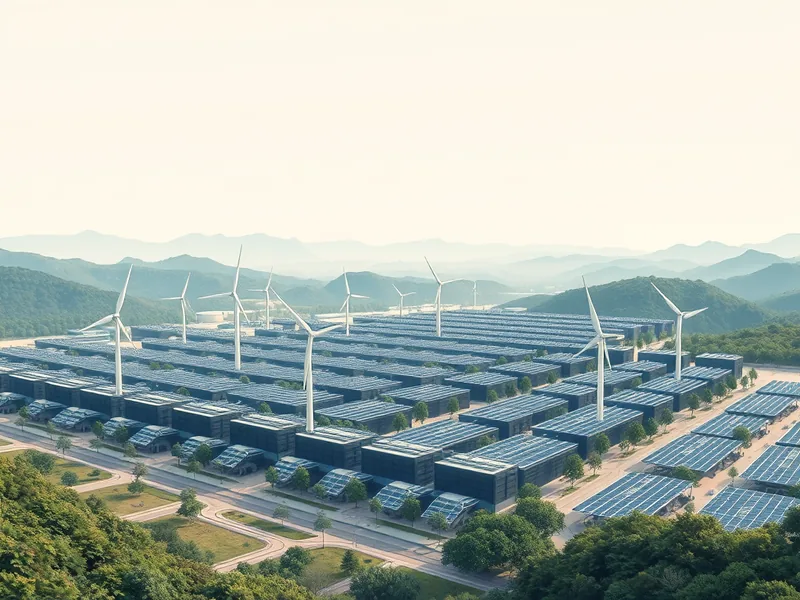
Guterres called on AI firms to commit to powering all data centers with renewable energy by 2030. This goal is not just about reducing carbon emissions; it's also about conserving water resources and minimizing land use impacts. The UN Secretary-General emphasized that if AI is to contribute positively to building a better future, it must be honest about its current costs.
The push for renewable energy in data centers is part of a broader effort to combat climate change. Guterres noted that the world remains off track to meet global climate goals and criticized voices advocating for increased fossil fuel use. "Deploying more renewable power projects and using those to electrify transport, buildings, and industry is among the fastest ways to cut emissions and break reliance on fossil fuels," he said.
The environmental impact of AI extends beyond energy consumption. A report from the United Nations University Institute for Water, Environment and Health (UNU-INWEH) highlights that data centers also require significant amounts of raw materials and generate substantial waste. The extraction and processing of these materials can lead to environmental degradation and social issues in regions where they are sourced.
Kamala Harris, Vice President of the United States, has also emphasized the importance of powering AI data centers with renewable energy. At an AI summit, she stated that fully investing in AI must be balanced with efforts to curb its environmental impact. This aligns with Guterres's call for a more sustainable approach to AI development.
The environmental impact of AI is not just a technical or economic issue; it has profound implications for human well-being and the planet's health. As data centers continue to expand, their energy and water demands will only grow, potentially straining local resources and exacerbating climate change. By committing to transparency and renewable energy, AI companies can help ensure that technological progress does not come at an unsustainable cost.
The UN's AI Environmental Transparency Initiative is a crucial step towards creating a more sustainable future. It encourages companies to take responsibility for their environmental footprint and work towards solutions that benefit both the planet and society. As Guterres emphasized, "If AI is to help build a better future, it must be honest about what it costs us now." The time to act is now, and the stakes are high for all of us.
Tags
Original Sources
UN chief calls on AI firms to come clean on environmental costs
↗ https://www.reuters.com/legal/litigation/un-chief-calls-ai-firms-come-clean-environmental-costs-2026-06-23
About the author
Amara's entry point into AI was an epidemiology role at a London research hospital, where she spent five years studying how digital health tools reached — or conspicuously failed to reach — underserved communities. Watching early algorithmic systems in healthcare quietly entrench existing inequalities, she redirected her career toward the systemic consequences of AI at scale. She covers AI through an unflinching lens: who benefits, who bears the cost, and what evidence actually says versus what the press release claims. Her writing is calm and precise, but she doesn't mistake balance for neutrality.
More from The Steward →This Week's Edition
29 June 2026
29 articles
Related Articles

Australian Farmers Warm to Renewables, But Big Projects Still Face Resistance
Environment & Climate · 5 min

Record-Shattering El Niño, AI's Energy Habit, and a Renewables Gap That Won't Close Itself
Environment & Climate · 6 min

Pentagon Energy Expo Highlights Push for Efficiency, Resilience and Space-Based Power
Environment & Climate · 6 min
Related Articles
Australian Farmers Warm to Renewables, But Big Projects Still Face Resistance
Environment & Climate · 5 min
Record-Shattering El Niño, AI's Energy Habit, and a Renewables Gap That Won't Close Itself
Environment & Climate · 6 min
Pentagon Energy Expo Highlights Push for Efficiency, Resilience and Space-Based Power
Environment & Climate · 6 min
More Stories
© 2026 Cedar & Bloom. All rights reserved.
