The Drum · Weekly AI news, freeSubscribe →

Share
As artificial intelligence becomes a driving force in energy investment, the United States is now pouring more money into fossil fuels than China, raising concerns about climate goals and sustainable tech.
The rapid growth of artificial intelligence (AI) has sparked a new wave of investment in energy infrastructure. However, this boom is not just about renewable sources; it's also fueling a significant increase in investments in fossil fuels. According to recent data, the United States is now investing more in fossil fuel power than China, marking a concerning shift in global energy trends.
This surge in fossil fuel investment is driven by the high computational demands of AI technologies, which require vast amounts of electricity. Data centers and supercomputers, essential for training AI models, are energy-intensive operations that often rely on cheaper, carbon-heavy sources like coal, natural gas, and oil. As AI applications expand into various sectors, from healthcare to transportation, the demand for reliable power is growing exponentially.
The implications of this trend are far-reaching. While AI has the potential to revolutionize industries and improve efficiency, its reliance on fossil fuels could undermine global efforts to combat climate change. The United States, historically a major emitter, is now at risk of exacerbating its carbon footprint through these investments.
The paradox here is that while AI can help optimize energy use and reduce waste in many sectors, the infrastructure supporting it often relies on fossil fuels. For instance, data centers, which are crucial for cloud computing and AI processing, consume a significant portion of the world's electricity. A study by the International Energy Agency (IEA) found that data centers account for about 1% of global electricity demand, with this figure expected to rise as AI adoption increases.
China, despite being the world's largest emitter, has made substantial investments in renewable energy over the past decade. The country is a leading producer of solar panels and wind turbines, and its commitment to green technology is reflected in its national policies. However, the U.S. Has taken a different approach, with recent data showing that American investors are more inclined towards fossil fuels.
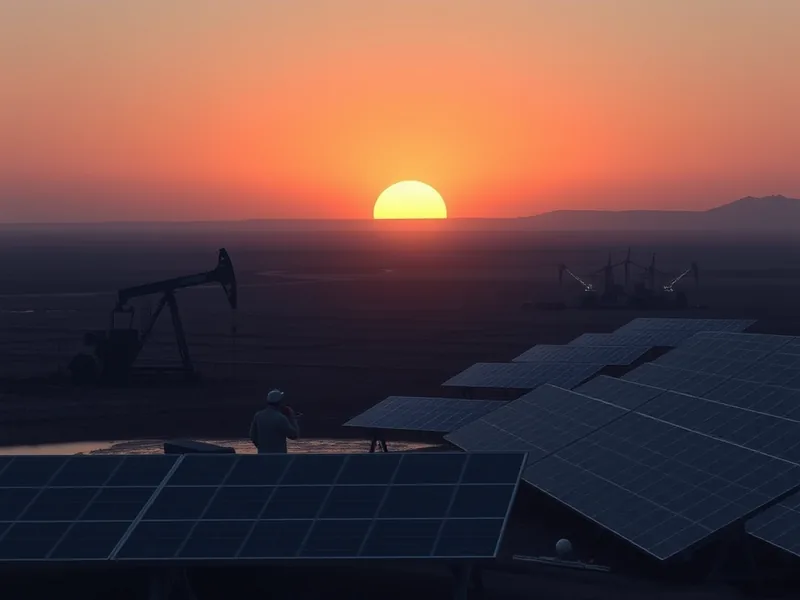
This divergence in investment strategies raises questions about the long-term sustainability of both nations' energy policies. While China's investments in renewables align with global climate goals, the U.S.'s focus on fossil fuels could lead to increased greenhouse gas emissions and hinder progress towards reducing carbon footprints.
The future of energy investment will be shaped by a complex interplay of technological advancements, policy decisions, and market dynamics. As AI continues to evolve, there is an urgent need for policymakers to address the environmental impact of this technology. This includes incentivizing the use of renewable energy sources in data centers and promoting research into more efficient AI algorithms that require less power.
International cooperation will be crucial in addressing global climate challenges. The United Nations Framework Convention on Climate Change (UNFCCC) and other international bodies can play a vital role in fostering dialogue and collaboration between countries to ensure that the benefits of AI are realized without compromising environmental goals.
The path forward requires a balanced approach that leverages the potential of AI while mitigating its negative impacts. By investing in sustainable technologies and policies, both the United States and China can contribute to a more resilient and environmentally conscious future.
As we navigate this new era of AI-driven energy investment, it is essential to remain vigilant and proactive in our efforts to protect the planet for future generations. The choices made today will have lasting consequences, and it is up to us to ensure that they are the right ones.
Tags
Original Sources
AI boom means US is now ‘investing more’ in fossil-fuel power than China - Carbon Brief
↗ https://www.carbonbrief.org/ai-boom-means-us-is-now-investing-more-in-fossil-fuel-power-than-china
About the author
Amara's entry point into AI was an epidemiology role at a London research hospital, where she spent five years studying how digital health tools reached — or conspicuously failed to reach — underserved communities. Watching early algorithmic systems in healthcare quietly entrench existing inequalities, she redirected her career toward the systemic consequences of AI at scale. She covers AI through an unflinching lens: who benefits, who bears the cost, and what evidence actually says versus what the press release claims. Her writing is calm and precise, but she doesn't mistake balance for neutrality.
More from The Steward →This Week's Edition
3 June 2026
29 articles
Related Articles

Nuclear Plants Are Squeezing Out More Power, But It Won't Be Enough to Meet AI's Demand
Environment & Climate · 5 min

The Hidden Environmental Price Tag of Artificial Intelligence
Environment & Climate · 5 min

Iambic Therapeutics Raises $150 Million in IPO to Fund AI-Designed Cancer Drugs
Finance & Markets · 5 min
Related Articles
Nuclear Plants Are Squeezing Out More Power, But It Won't Be Enough to Meet AI's Demand
Environment & Climate · 5 min
The Hidden Environmental Price Tag of Artificial Intelligence
Environment & Climate · 5 min
Iambic Therapeutics Raises $150 Million in IPO to Fund AI-Designed Cancer Drugs
Finance & Markets · 5 min
More Stories
© 2026 Cedar & Bloom. All rights reserved.
