The Drum · Weekly AI news, freeSubscribe →

Share
As the world grapples with the urgent need to combat climate change, the shift to renewable energy is more than just a technological challenge-it's a societal imperative.
The transition to renewable energy is not just about replacing fossil fuels with cleaner alternatives; it's about reshaping our entire approach to energy production and consumption. The stakes are high: climate change poses an existential threat, and the choices we make today will determine the kind of world we leave for future generations.
Renewable energy sources like solar, wind, and hydroelectric power have made significant strides in recent years, driven by technological advancements and declining costs. For instance, the cost of solar panels has dropped by over 80% since 2010, making them more accessible to a broader range of consumers and businesses. Similarly, wind energy has become increasingly competitive, with some regions already generating a substantial portion of their electricity from wind farms.
However, the transition is not without its challenges. One of the primary hurdles is the intermittency of renewable sources. Solar panels generate power only when the sun is shining, and wind turbines are effective only when the wind is blowing. This variability can lead to supply shortages during peak demand periods, which is why energy storage solutions, such as batteries, are crucial.
To address these challenges, researchers and policymakers are exploring a variety of innovative solutions. For example, advancements in battery technology have significantly improved the efficiency and capacity of energy storage systems. Lithium-ion batteries, once expensive and limited in application, are now more affordable and can store large amounts of electricity for extended periods. This is particularly important for balancing supply and demand on the grid.
Another critical area of research is the development of smart grids. Smart grids use advanced sensors and data analytics to optimize energy distribution, reduce waste, and improve reliability. By integrating renewable sources with traditional power generation, smart grids can ensure a stable and consistent supply of electricity, even during periods of high variability.
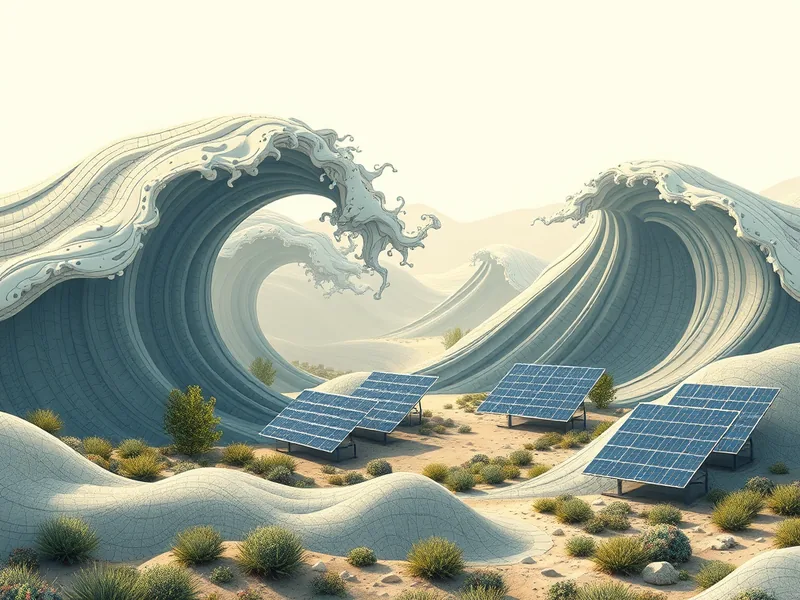
Policy also plays a crucial role in driving the transition to renewable energy. Governments around the world are implementing a range of incentives and regulations to encourage the adoption of clean technologies. For instance, tax credits for solar installations, subsidies for electric vehicles, and mandates for renewable portfolio standards (RPS) have all contributed to the growth of the renewable energy sector.
However, policy alone is not enough. Public awareness and engagement are essential for building support and driving change. Educating communities about the benefits of renewable energy, such as reduced air pollution and lower electricity bills, can help overcome resistance and foster a sense of shared responsibility.
The path to a sustainable future is clear, but it requires sustained effort and collaboration across multiple fronts. Technological innovation must continue to drive down costs and improve efficiency, while policy frameworks need to be adaptive and responsive to changing conditions. Public and private sectors must work together to create an environment that supports the widespread adoption of renewable energy.
As we move forward, it is crucial to consider the broader implications of this transition. The shift to renewable energy can create new job opportunities in emerging industries, but it may also disrupt existing ones. Therefore, a just transition strategy is necessary to ensure that no one is left behind. This includes retraining programs for workers in fossil fuel industries and investments in infrastructure to support the growth of green jobs.
The transition to renewable energy is not just a technological or economic challenge; it is a moral imperative. By taking decisive action today, we can build a more sustainable, resilient, and equitable world for generations to come.
Tags
Original Sources
Energy News & Articles
↗ https://spectrum.ieee.org/topic/energy
About the author
Amara's entry point into AI was an epidemiology role at a London research hospital, where she spent five years studying how digital health tools reached — or conspicuously failed to reach — underserved communities. Watching early algorithmic systems in healthcare quietly entrench existing inequalities, she redirected her career toward the systemic consequences of AI at scale. She covers AI through an unflinching lens: who benefits, who bears the cost, and what evidence actually says versus what the press release claims. Her writing is calm and precise, but she doesn't mistake balance for neutrality.
More from The Steward →This Week's Edition
3 June 2026
29 articles
Related Articles

Nuclear Plants Are Squeezing Out More Power, But It Won't Be Enough to Meet AI's Demand
Environment & Climate · 5 min

The Hidden Environmental Price Tag of Artificial Intelligence
Environment & Climate · 5 min

Iambic Therapeutics Raises $150 Million in IPO to Fund AI-Designed Cancer Drugs
Finance & Markets · 5 min
Related Articles
Nuclear Plants Are Squeezing Out More Power, But It Won't Be Enough to Meet AI's Demand
Environment & Climate · 5 min
The Hidden Environmental Price Tag of Artificial Intelligence
Environment & Climate · 5 min
Iambic Therapeutics Raises $150 Million in IPO to Fund AI-Designed Cancer Drugs
Finance & Markets · 5 min
More Stories
© 2026 Cedar & Bloom. All rights reserved.
