The Drum · Weekly AI news, freeSubscribe →

Share
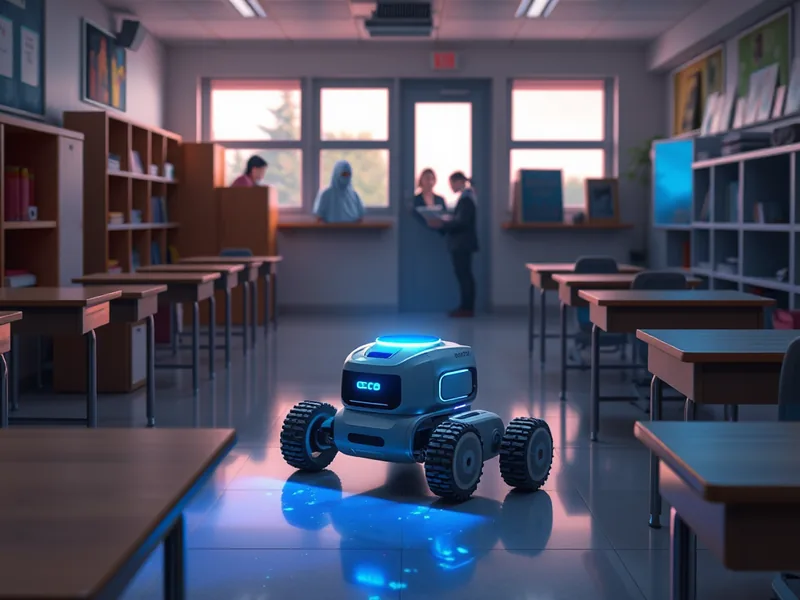
Manchester schools are pioneering safer learning environments with the introduction of SteriLight, a UV-light robot that zaps germs autonomously, ensuring classrooms stay clean and healthy for students.
In a significant step towards ensuring safer and cleaner learning environments, Manchester schools have introduced an innovative solution to combat germs and pathogens. A new UV-light robot, dubbed the SteriLight, has been deployed across several classrooms, marking a promising advancement in health and safety measures.
The SteriLight is designed to navigate through classroom spaces autonomously, emitting ultraviolet (UV) light that effectively kills bacteria, viruses, and other microorganisms. This technology is particularly crucial in educational settings where high traffic and close interactions can facilitate the spread of infectious diseases. By integrating these robots into their cleaning routines, schools aim to create a healthier atmosphere for students and staff.
For parents, educators, and students, the introduction of the SteriLight represents more than just a technological upgrade; it's a tangible step towards reducing health risks in an environment where children spend a significant portion of their day. Dr. Jane Thompson, a public health expert at Manchester University, emphasizes the importance of such innovations:
"Schools are microcosms of our communities, and they play a vital role in public health. By using advanced UV technology to disinfect classrooms, we can significantly lower the transmission rates of common illnesses like colds, flu, and more serious infections. This not only protects individual students but also helps prevent broader community outbreaks."
To understand how the SteriLight works, think of it as a mobile, high-intensity light that can zap germs on surfaces. UV light has long been known for its germicidal properties, capable of disrupting the DNA and RNA of microorganisms, rendering them inactive. The robot moves around the classroom, shining this powerful light on desks, chairs, and other frequently touched areas.
The process is both efficient and thorough. Each cycle takes about 15-20 minutes to complete, ensuring that every corner of the room receives adequate exposure. Moreover, the SteriLight operates outside of school hours, minimizing disruption to students and teachers.
Benefits:
Risks:
The long-term impact of using UV-light robots in schools extends beyond immediate health benefits. By investing in advanced cleaning technologies, educational institutions can set a precedent for prioritizing public health. This approach not only enhances the well-being of current students but also fosters a culture of innovation and safety that can inspire future generations.
Moreover, the success of this initiative could lead to broader applications in other high-traffic environments such as hospitals, public transportation, and office buildings. As Dr. Thompson notes:
"Manchester's schools are leading by example. If we see positive outcomes here, it could pave the way for similar technologies to be adopted elsewhere, contributing to a healthier society overall."
The introduction of the SteriLight UV-light robot in Manchester classrooms is a significant step towards creating safer learning environments. By leveraging advanced technology to combat germs and pathogens, schools are not only protecting their students but also setting a standard for public health innovation. As this initiative continues to evolve, it holds the promise of making a lasting impact on both local and global health.
Tags
Original Sources
About the author
Amara's entry point into AI was an epidemiology role at a London research hospital, where she spent five years studying how digital health tools reached — or conspicuously failed to reach — underserved communities. Watching early algorithmic systems in healthcare quietly entrench existing inequalities, she redirected her career toward the systemic consequences of AI at scale. She covers AI through an unflinching lens: who benefits, who bears the cost, and what evidence actually says versus what the press release claims. Her writing is calm and precise, but she doesn't mistake balance for neutrality.
More from The Steward →This Week's Edition
29 April 2026
29 articles
Related Articles

Nuclear Plants Are Squeezing Out More Power, But It Won't Be Enough to Meet AI's Demand
Environment & Climate · 5 min

The Hidden Environmental Price Tag of Artificial Intelligence
Environment & Climate · 5 min

Iambic Therapeutics Raises $150 Million in IPO to Fund AI-Designed Cancer Drugs
Finance & Markets · 5 min
Related Articles
Nuclear Plants Are Squeezing Out More Power, But It Won't Be Enough to Meet AI's Demand
Environment & Climate · 5 min
The Hidden Environmental Price Tag of Artificial Intelligence
Environment & Climate · 5 min
Iambic Therapeutics Raises $150 Million in IPO to Fund AI-Designed Cancer Drugs
Finance & Markets · 5 min
More Stories
© 2026 Cedar & Bloom. All rights reserved.
