The Drum · Weekly AI news, freeSubscribe →

Share
At 38, Gertie the penguin's birthday bash at Maryland Zoo showcases exceptional wildlife care, highlighting the vital role zoos play in conservation and human-animal connections.
In a heartwarming celebration that highlights the importance of animal conservation, the world's oldest known penguin, Gertie, turned 38 years old at the Maryland Zoo in Baltimore. This remarkable milestone not only underscores the significance of wildlife care and sustainability but also serves as a reminder of the unique bond between humans and animals.
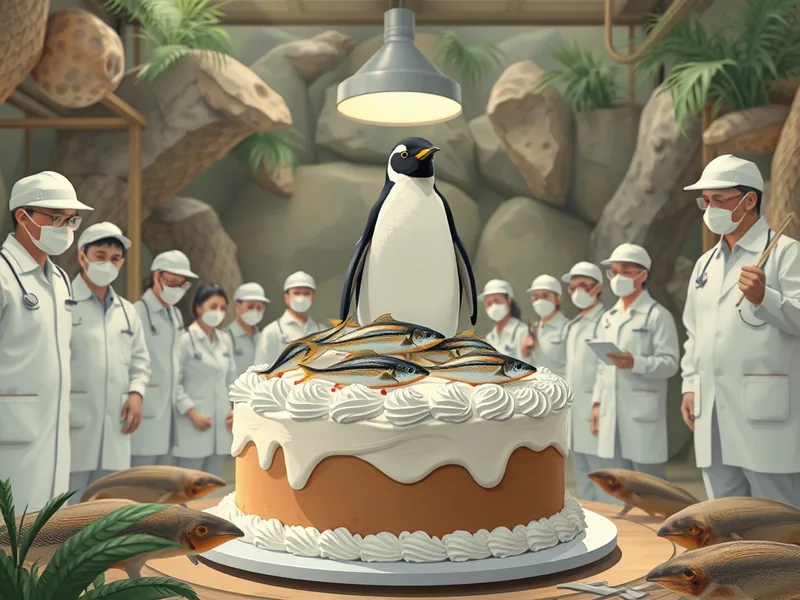
Gertie’s birthday was marked with a special cake topped with her favorite treats-fish, of course. The celebration, which included zookeepers, staff, and visitors, was a joyful event that brought attention to the broader issues of animal welfare and biodiversity conservation.
Penguins typically have a lifespan of around 15 to 20 years in the wild. However, in captivity, with proper care and a controlled environment, they can live much longer. Gertie’s longevity is a testament to the dedicated efforts of the Maryland Zoo staff, who have provided her with the best possible conditions for over three decades.
"Every year that Gertie celebrates another birthday is a cause for celebration," said Dr. Ellen Bronson, Senior Director of Animal Health, Conservation, and Research at the Maryland Zoo. "Her health and well-being are a direct result of our commitment to providing top-notch care and enrichment activities."
The average lifespan of penguins in the wild can be shortened by various factors such as predation, disease, and environmental changes. In captivity, these risks are mitigated through regular veterinary check-ups, a balanced diet, and a safe environment. Gertie’s story is not just about her individual survival but also about the broader impact of conservation efforts on species longevity.
Gertie’s species, the African penguin (Spheniscus demersus), is classified as endangered by the International Union for Conservation of Nature (IUCN). The population has declined dramatically due to habitat loss, pollution, and climate change. Conservation programs like those at the Maryland Zoo play a crucial role in protecting these vulnerable animals.
"By caring for Gertie and other African penguins, we are not only ensuring their survival but also raising awareness about the threats they face in the wild," said Dr. Bronson. "Our hope is that through education and community engagement, we can inspire more people to take action to protect wildlife."
The celebration of Gertie’s 38th birthday is a symbol of hope and resilience. It reminds us that with dedication and care, we can make a significant difference in the lives of animals and contribute to the preservation of biodiversity.
As we celebrate Gertie’s milestone, it’s important to reflect on the broader implications of her longevity. Her story highlights the importance of sustainable practices and the role of zoos and conservation organizations in protecting endangered species. By supporting these efforts, we can help ensure that future generations will have the opportunity to marvel at the beauty and diversity of our natural world.
Tags
Original Sources
About the author
Amara's entry point into AI was an epidemiology role at a London research hospital, where she spent five years studying how digital health tools reached — or conspicuously failed to reach — underserved communities. Watching early algorithmic systems in healthcare quietly entrench existing inequalities, she redirected her career toward the systemic consequences of AI at scale. She covers AI through an unflinching lens: who benefits, who bears the cost, and what evidence actually says versus what the press release claims. Her writing is calm and precise, but she doesn't mistake balance for neutrality.
More from The Steward →This Week's Edition
29 April 2026
29 articles
Related Articles

Nuclear Plants Are Squeezing Out More Power, But It Won't Be Enough to Meet AI's Demand
Environment & Climate · 5 min

The Hidden Environmental Price Tag of Artificial Intelligence
Environment & Climate · 5 min

Iambic Therapeutics Raises $150 Million in IPO to Fund AI-Designed Cancer Drugs
Finance & Markets · 5 min
Related Articles
Nuclear Plants Are Squeezing Out More Power, But It Won't Be Enough to Meet AI's Demand
Environment & Climate · 5 min
The Hidden Environmental Price Tag of Artificial Intelligence
Environment & Climate · 5 min
Iambic Therapeutics Raises $150 Million in IPO to Fund AI-Designed Cancer Drugs
Finance & Markets · 5 min
More Stories
© 2026 Cedar & Bloom. All rights reserved.
